Maszczyk Adam, Dobrakowski Paweł, Nitychoruk Magdalena, Żak Marcin, Kowalczyk Magdalena, Toborek Michal
Institute of Sport Sciences, The Jerzy Kukuczka Academy of Physical Education in Katowice, Katowice, Poland.
Psychology Institute, Humanitas University in Sosnowiec, Sosnowiec, Poland.
J Hum Kinet. 2020 Jan 31;71:219-227. doi: 10.2478/hukin-2019-0097. eCollection 2020 Jan.
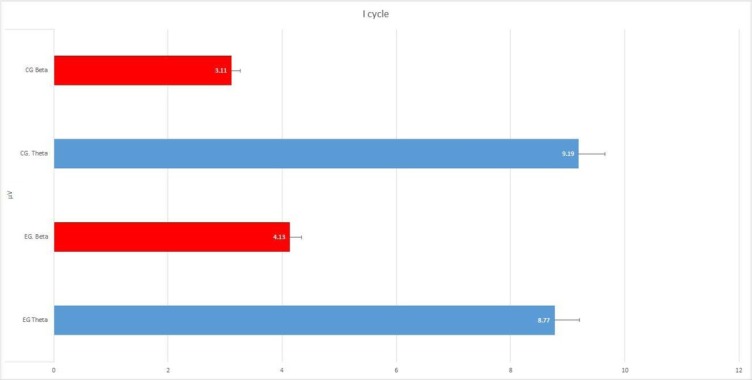
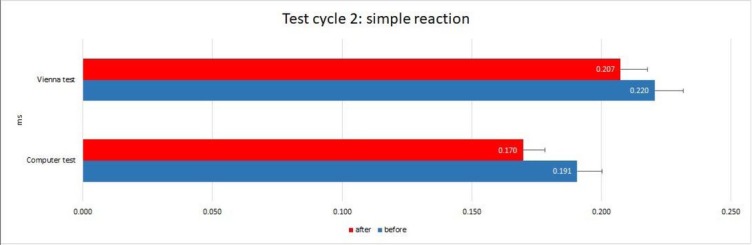
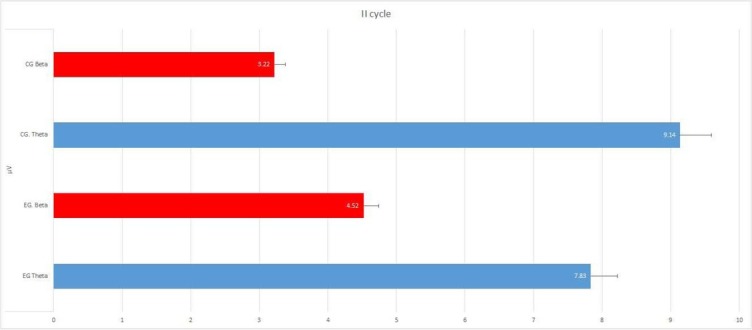
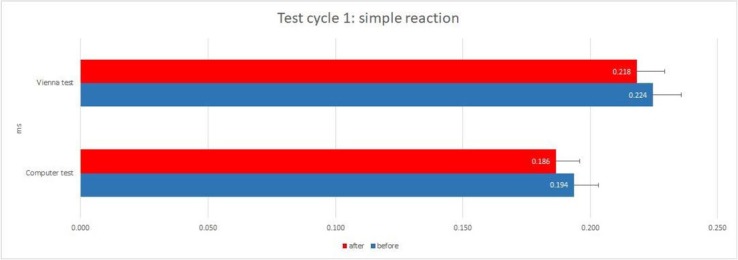
This study aimed to analyse the effect of neurofeedback (NFB) training based on beta-wave amplification and theta-wave inhibition on the visual processing efficiency of judo athletes. The study examined 12 male athletes from the national team of the Polish Judo Association. Participants were divided into the experimental (EG, n = 6) and the control group (CG, n = 6). The NFB training protocol was performed and recorded using a Deymed Truscan system with 24 active channels. The effect of NFB training was examined by computer-based simple and complex reaction tests and selected tests of the Vienna Test System (VST). One - way ANOVA showed statistically significant differences between the CG and the EG in theta and beta values after the first and the second cycle of training. There were statistically significant differences between the CG and the EG in the results of reaction speed tests after individual cycles of training. The highest reduction in simple reaction time was obtained after the second training cycle, when training was performed every second day and lasted four minutes.
本研究旨在分析基于β波放大和θ波抑制的神经反馈(NFB)训练对柔道运动员视觉处理效率的影响。该研究调查了波兰柔道协会国家队的12名男性运动员。参与者被分为实验组(EG,n = 6)和对照组(CG,n = 6)。使用具有24个有源通道的Deymed Truscan系统执行并记录NFB训练方案。通过基于计算机的简单和复杂反应测试以及维也纳测试系统(VST)的选定测试来检验NFB训练的效果。单向方差分析显示,在训练的第一个和第二个周期后,CG和EG在θ值和β值上存在统计学上的显著差异。在各个训练周期后,CG和EG在反应速度测试结果上存在统计学上的显著差异。当每隔一天进行训练且持续4分钟时,在第二个训练周期后获得了简单反应时间的最大降幅。