Hotto Amber M, Stern David B, Schuster Gadi
Boyce Thompson Institute, Ithaca, NY 14853-1801, USA.
Faculty of Biology, Technion-Israel Institute of Technology, Haifa 32000, Israel.
Plants (Basel). 2020 Mar 5;9(3):334. doi: 10.3390/plants9030334.
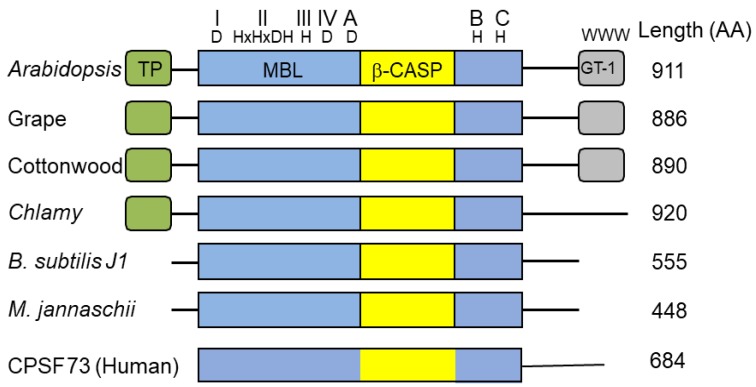
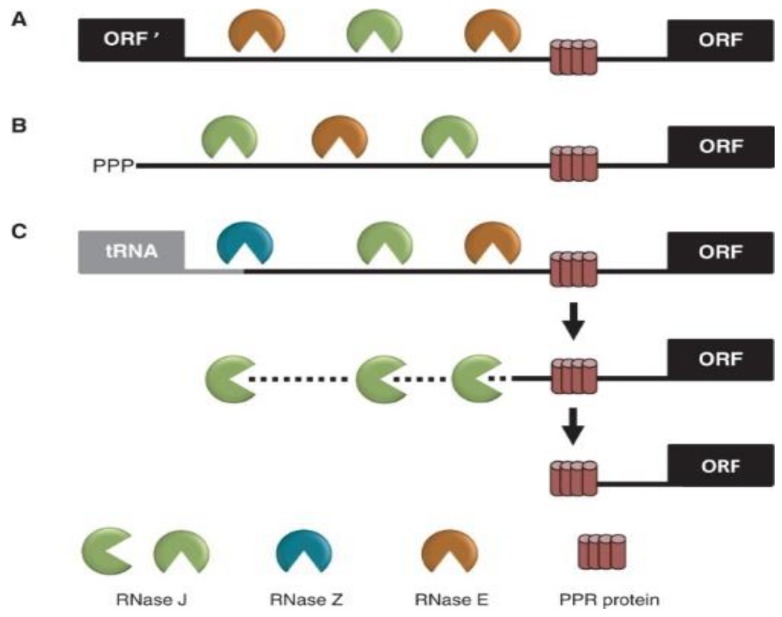
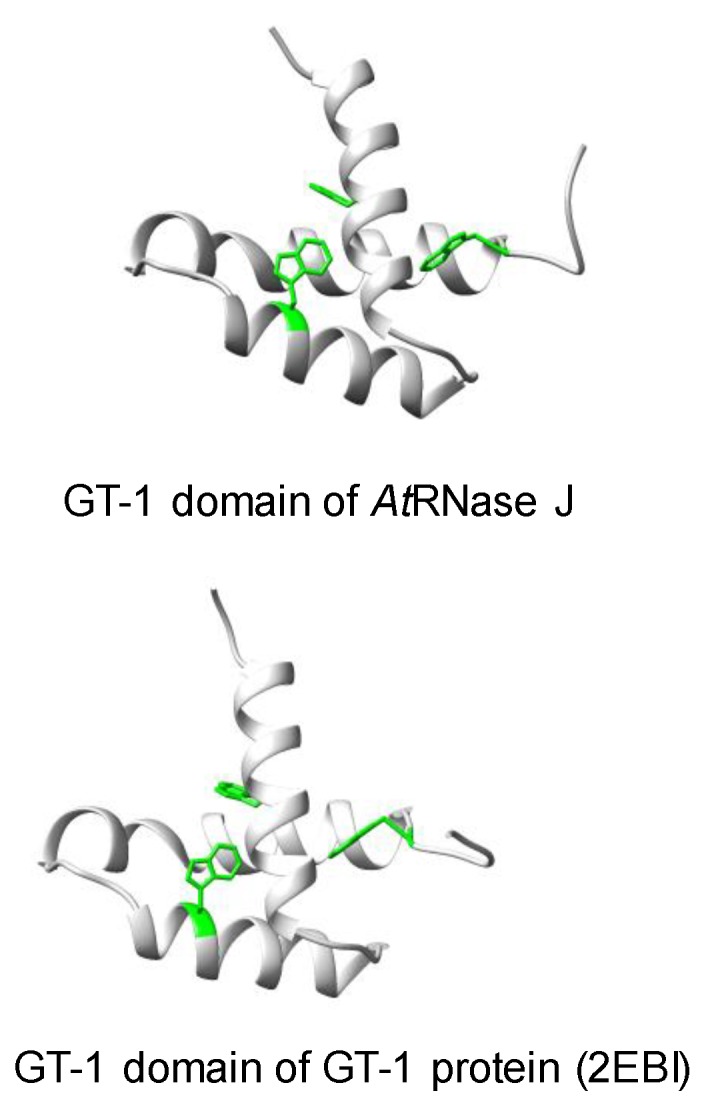
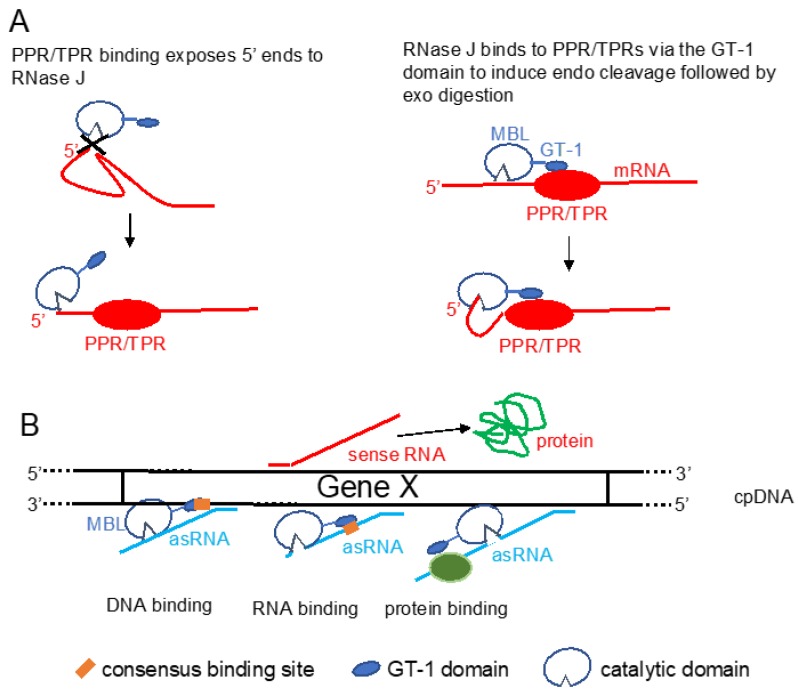
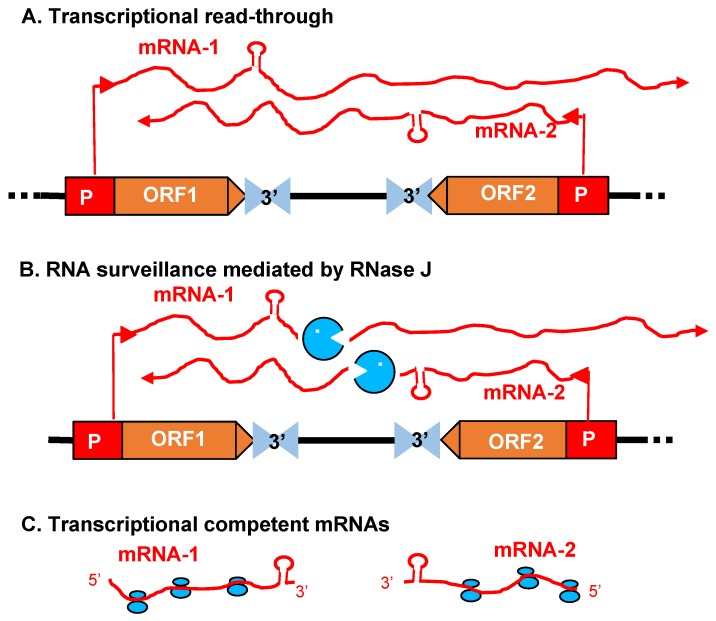
RNA quality control is an indispensable but poorly understood process that enables organisms to distinguish functional RNAs from nonfunctional or inhibitory ones. In chloroplasts, whose gene expression activities are required for photosynthesis, retrograde signaling, and plant development, RNA quality control is of paramount importance, as transcription is relatively unregulated. The functional RNA population is distilled from this initial transcriptome by a combination of RNA-binding proteins and ribonucleases. One of the key enzymes is RNase J, a 5'→3' exoribonuclease and an endoribonuclease that has been shown to trim 5' RNA termini and eliminate deleterious antisense RNA. In the absence of RNase J, embryo development cannot be completed. Land plant RNase J contains a highly conserved C-terminal domain that is found in GT-1 DNA-binding transcription factors and is not present in its bacterial, archaeal, and algal counterparts. The GT-1 domain may confer specificity through DNA and/or RNA binding and/or protein-protein interactions and thus be an element in the mechanisms that identify target transcripts among diverse RNA populations. Further understanding of chloroplast RNA quality control relies on discovering how RNase J is regulated and how its specificity is imparted.
RNA质量控制是一个不可或缺但却鲜为人知的过程,它使生物体能够区分功能性RNA与无功能或抑制性RNA。在叶绿体中,其基因表达活动对于光合作用、逆行信号传导和植物发育至关重要,由于转录相对不受调控,RNA质量控制就显得尤为重要。功能性RNA群体是通过RNA结合蛋白和核糖核酸酶的组合从这个初始转录组中筛选出来的。关键酶之一是RNase J,它是一种5'→3'外切核糖核酸酶和内切核糖核酸酶,已被证明可修剪5'RNA末端并消除有害的反义RNA。在没有RNase J的情况下,胚胎发育无法完成。陆地植物RNase J含有一个高度保守的C末端结构域,该结构域存在于GT-1 DNA结合转录因子中,而在其细菌、古细菌和藻类对应物中不存在。GT-1结构域可能通过DNA和/或RNA结合和/或蛋白质-蛋白质相互作用赋予特异性,因此是在不同RNA群体中识别靶转录本的机制中的一个要素。对叶绿体RNA质量控制的进一步理解依赖于发现RNase J是如何被调控的以及它的特异性是如何赋予的。