Leibrock Lars, Wagener Sandra, Singh Ajay Vikram, Laux Peter, Luch Andreas
German Federal Institute for Risk Assessment (BfR) , Department of Chemical and Product Safety , Max-Dohrn-Straße 8-10 , 10589 Berlin , Germany . Email:
Toxicol Res (Camb). 2019 Nov 19;8(6):1016-1027. doi: 10.1039/c9tx00179d. eCollection 2019 Nov 1.
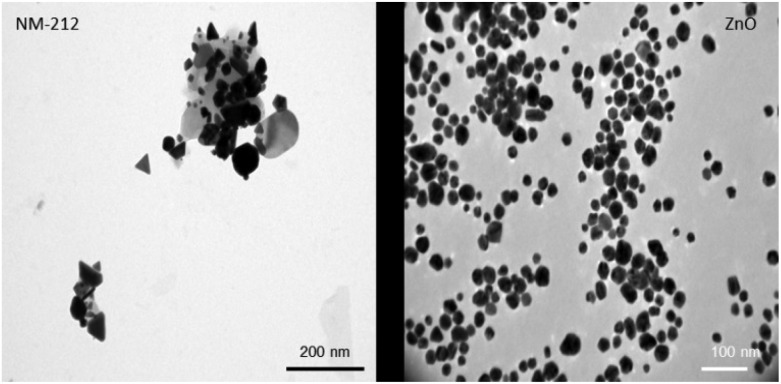
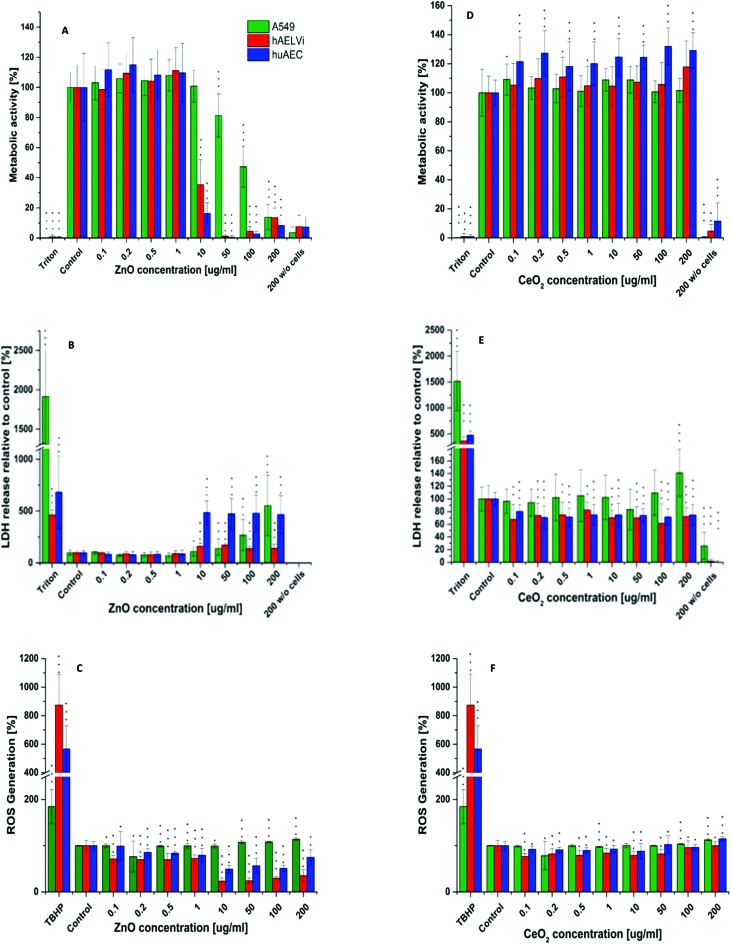
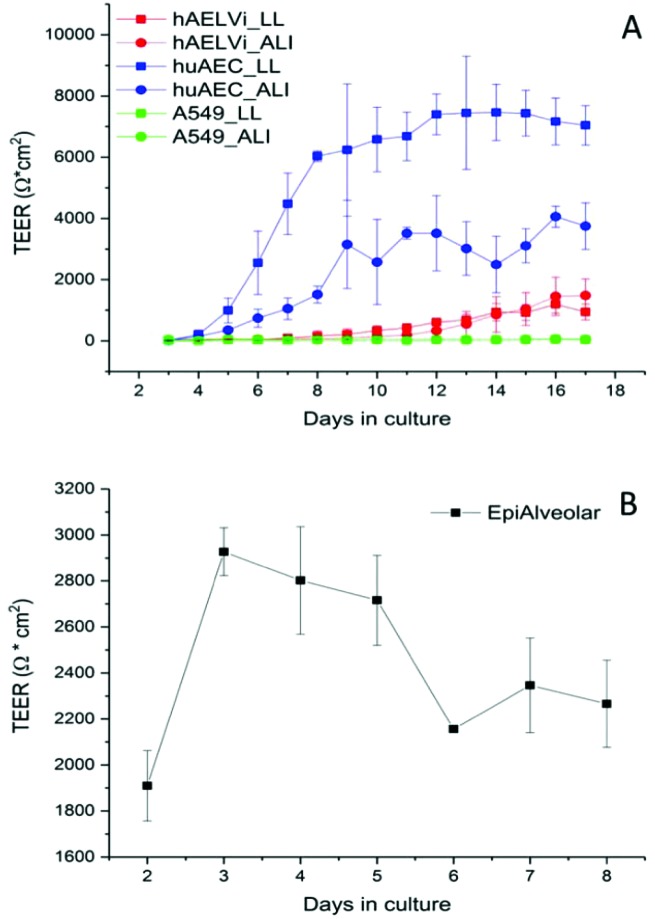
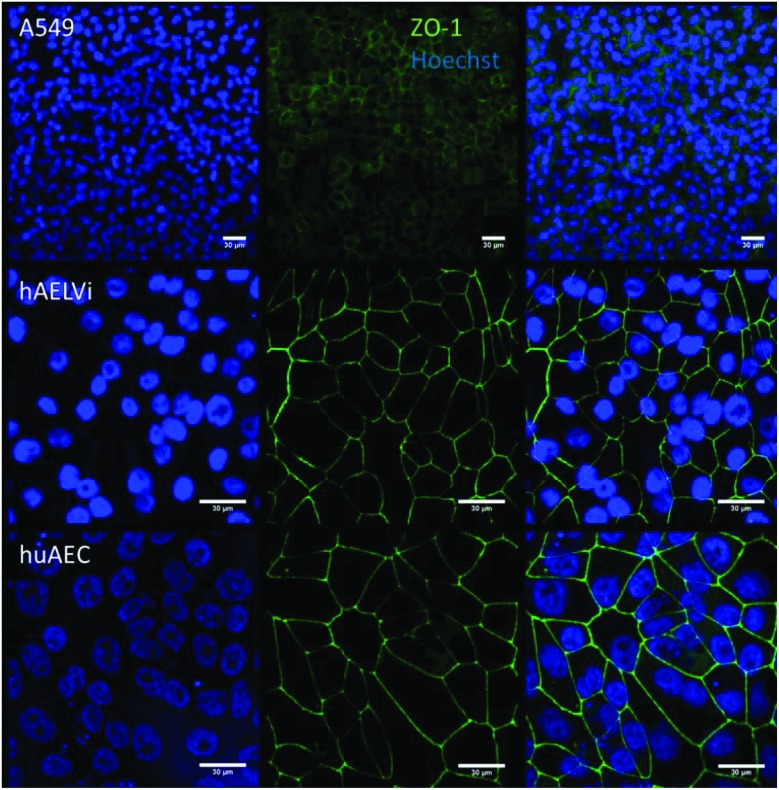
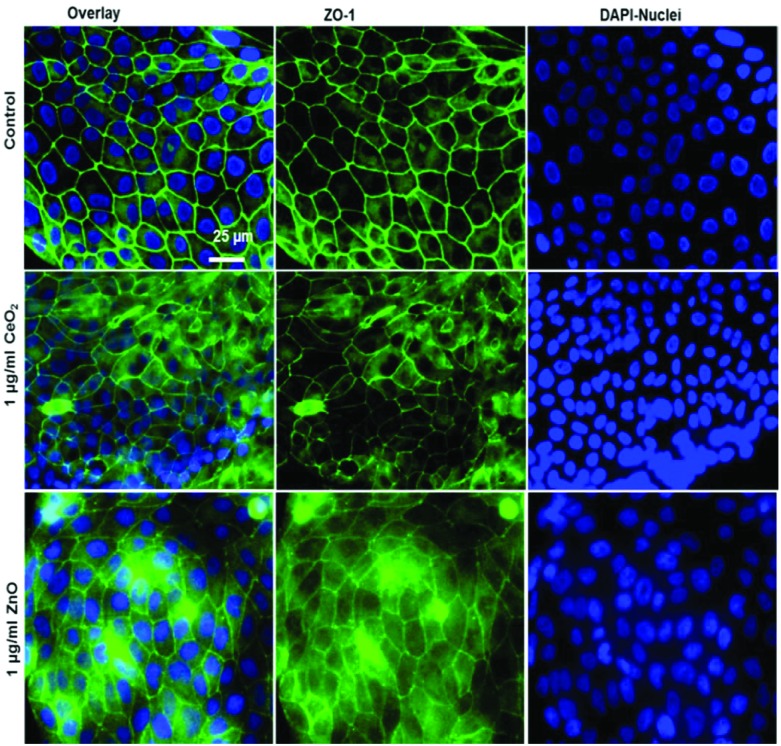
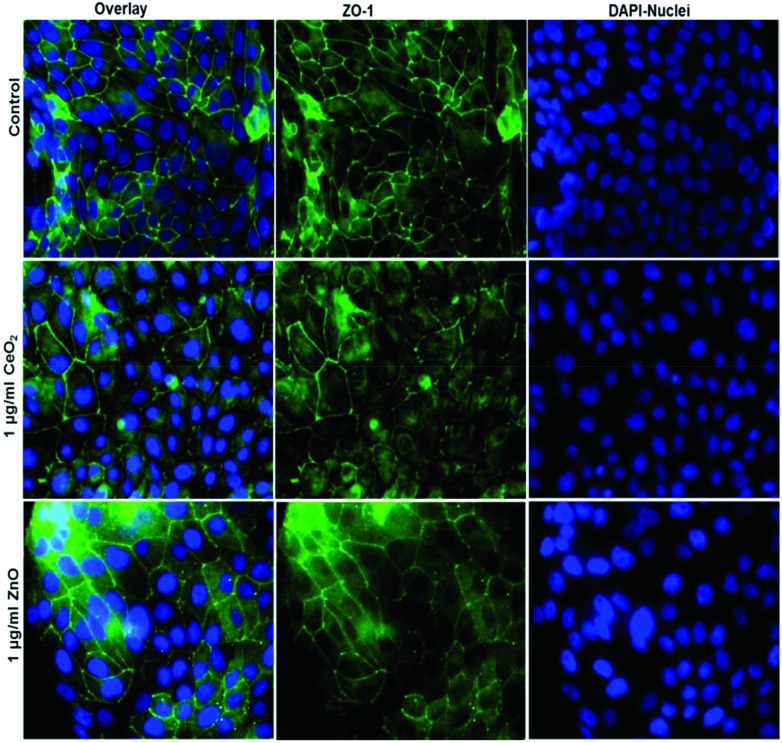
Inhalation is the most relevant entry point for nanoparticles (NPs) into the human body. To date, toxicity testing of nanomaterials in respect to oral, dermal and inhalative application is mainly based on animal experiments. The development of alternative test methods is the subject of current research. models can help to investigate mechanistic aspects, as cellular uptake or genotoxicity and might help to reduce testing. Lung cell lines are proper tools to assess NP toxicity. In respect to this, various cell models have been developed during the recent years, but often lack in a proper intact barrier function. However, besides other important criteria which are still missing like circulation, this is one basic prerequisite to come closer to the situation in certain mechanistic aspects such as particle translocation which is an important task for risk assessment of nanomaterials. Novel developed models may help to investigate the translocation of nanomaterials from the lung. We investigated the barrier function of the recently developed human lung cell lines CI-hAELVi and CI-huAEC. The cells were further exposed to CeO NPs and ZnO NPs, and their suitability as models for toxicological investigations was proven. The obtained data were compared with data generated with the A549 cell line. Measurement of transepithelial resistance and immunohistochemical examination of tight junctions confirmed the formation of a functional barrier for both cell lines for submerged and air-liquid cultivation. For particle exposure, hAELVi and huAEC cells showed comparable results to A549 cells without losing the barrier function. CeO NP exposure revealed no toxicity for all cell lines. In contrast, ZnO NPs was toxic for all cell lines at a concentration between 10-50 μg ml. Due to the comparable results to A549 cells CI-hAELVi and CI-huAEC offer new opportunities to investigate nanoparticle cell interactions more realistic than recent 2D cell models.
吸入是纳米颗粒(NPs)进入人体最主要的途径。迄今为止,纳米材料经口服、皮肤和吸入应用的毒性测试主要基于动物实验。开发替代测试方法是当前研究的主题。模型有助于研究细胞摄取或遗传毒性等机制方面,可能有助于减少动物测试。肺细胞系是评估NP毒性的合适工具。就此而言,近年来已经开发了各种细胞模型,但往往缺乏适当的完整屏障功能。然而,除了其他仍缺失的重要标准,如体内循环外,这是在某些机制方面(如颗粒转运,这是纳米材料风险评估的一项重要任务)更接近体内情况的一个基本前提。新开发的模型可能有助于研究纳米材料从肺部的转运。我们研究了最近开发的人肺细胞系CI-hAELVi和CI-huAEC的屏障功能。将这些细胞进一步暴露于CeO NPs和ZnO NPs,并证明了它们作为毒理学研究模型的适用性。将获得的数据与用A549细胞系生成的数据进行比较。跨上皮电阻的测量和紧密连接的免疫组织化学检查证实了这两种细胞系在浸没培养和气液培养中均形成了功能性屏障。对于颗粒暴露,hAELVi和huAEC细胞显示出与A549细胞相当的结果,且未丧失屏障功能。CeO NP暴露对所有细胞系均未显示毒性。相比之下,ZnO NPs在浓度为10 - 50μg/ml时对所有细胞系均有毒性。由于与A549细胞的结果相当,CI-hAELVi和CI-huAEC为比最近的二维细胞模型更真实地研究纳米颗粒与细胞的相互作用提供了新机会。