Molina-Ruiz Rosa M, García-Saiz T, Looi Jeffrey C L, Via Virgili E, Rincón Zamorano M, de Anta Tejado Laura, López Helena Trebbau, Perera Jose Luis Carrasco, Díaz-Marsá Marina
Psychiatry Department, Universitary Hospital Clinico San Carlos de Madrid, IddISC, Madrid, Spain.
Artificial Intelligence Department, UNED. E.T.S.I. Informatics, Madrid, Spain.
Psychiatry Investig. 2020 Mar;17(3):225-236. doi: 10.30773/pi.2019.0038. Epub 2020 Mar 12.
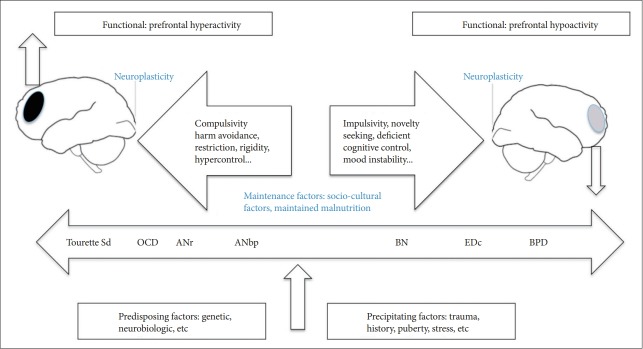
Emotional processing dysfunction evident in eating disorders (ED) such as anorexia nervosa (AN) and bulimia nervosa (BN), is considered relevant to the development and maintenance of these disorders. The purpose of the current functional magnetic resonance imaging (fMRI) study was to pilot a comparison of the activity of the fronto-limbic and fronto-striatal brain areas during an emotion processing task in persons with ED.
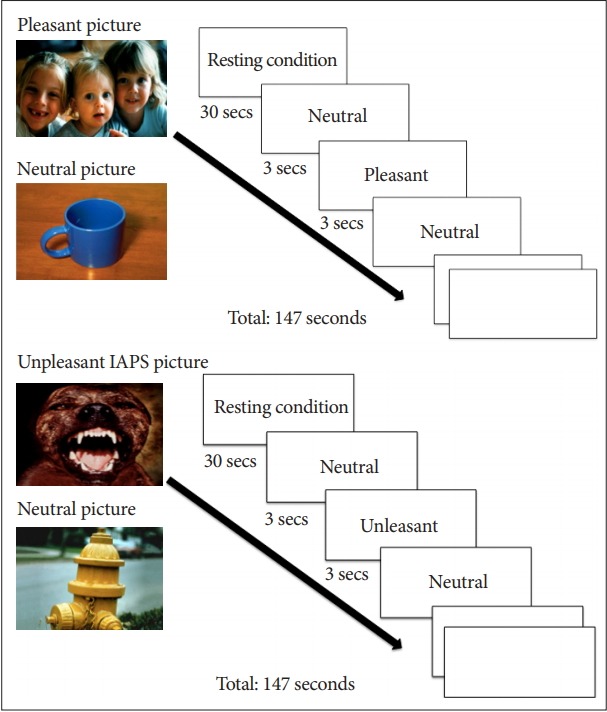
24 women patients with ED were scanned, while showing emotionally stimulating (pleasant, unpleasant) and neutral images from the International Affective Picture System (IAPS).
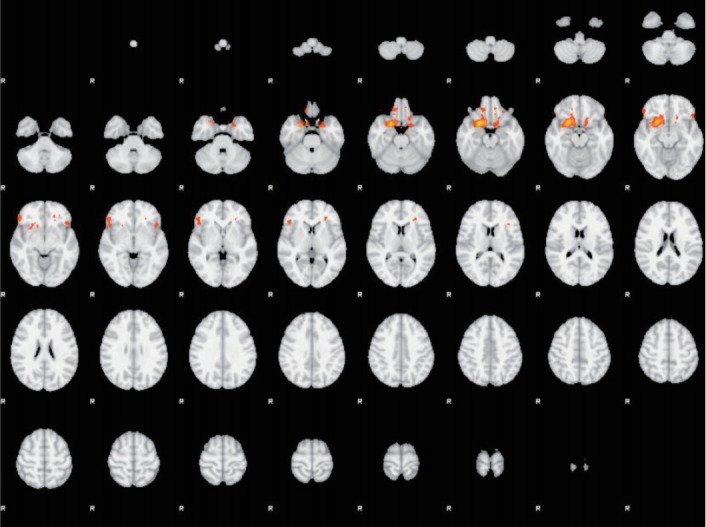
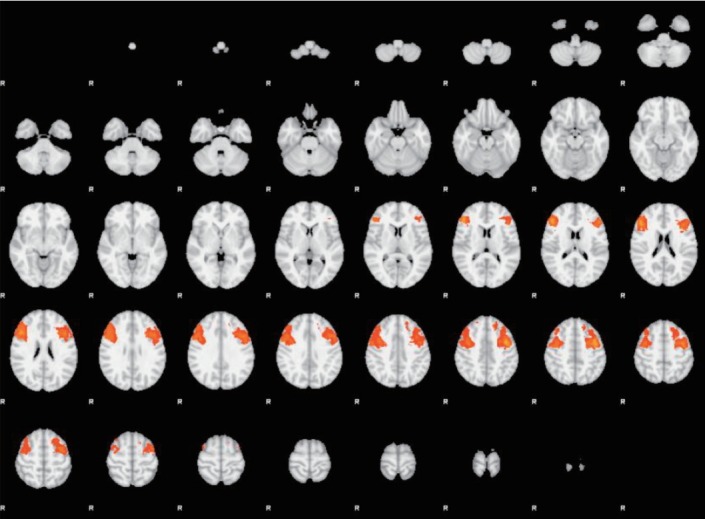
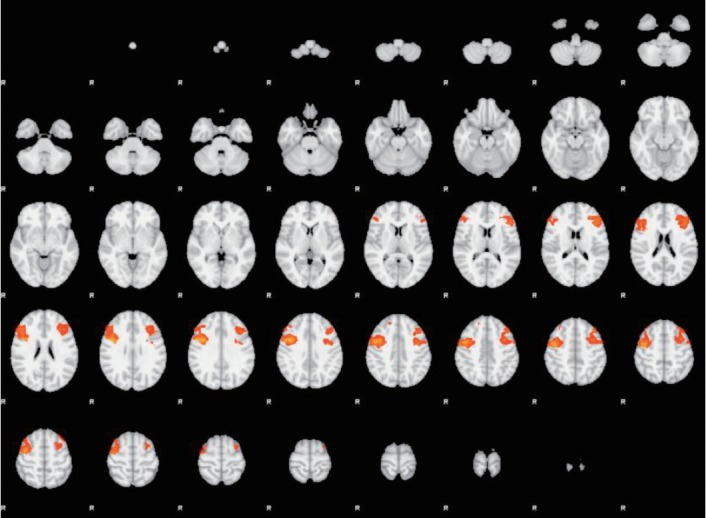
During the pleasant condition, significant differences in Dorsolateral Prefrontal Cortex (DLPFC) activations were found with AN participants presenting greater activation compared to BN and ED comorbid groups (EDc) and healthy controls also showing greater activation of this brain area compared to BN and EDc. Left putamen was less activated in EDc compared to both controls (C) and AN. During the unpleasant condition, AN participants showed hyperactivation of the Orbito-frontal Cortex (OFC) when compared to EDc.
This study highlights the potential functional relevance of brain areas that have been associated with self-control. These findings should help advance understanding the neural substrate of ED, though they should be considered as preliminary and be cautiously interpreted.
饮食失调(ED)如神经性厌食症(AN)和神经性贪食症(BN)中明显存在的情绪加工功能障碍,被认为与这些疾病的发生和维持有关。当前功能磁共振成像(fMRI)研究的目的是初步比较饮食失调患者在情绪加工任务期间额叶 - 边缘系统和额叶 - 纹状体脑区的活动。
对24名患有饮食失调的女性患者进行扫描,同时展示来自国际情感图片系统(IAPS)的情绪刺激(愉快、不愉快)和中性图像。
在愉快条件下,发现背外侧前额叶皮质(DLPFC)激活存在显著差异,与BN和饮食失调共病组(EDc)相比,AN参与者表现出更大的激活,并且与BN和EDc相比,健康对照在该脑区也表现出更大的激活。与对照组(C)和AN相比,EDc的左侧壳核激活较少。在不愉快条件下,与EDc相比,AN参与者的眶额皮质(OFC)表现出过度激活。
本研究强调了与自我控制相关的脑区的潜在功能相关性。这些发现应有助于推进对饮食失调神经基础的理解,尽管应将其视为初步结果并谨慎解释。