Edinburgh Medical School: Biomedical Sciences, Infection Medicine, University of Edinburgh, Chancellor's Building, 49 Little France Crescent, Edinburgh, EH16 4SB, UK.
Biomedical Teaching Organisation, Edinburgh Medical School: Biomedical Sciences, University of Edinburgh, Doorway 3, Teviot Place, Edinburgh, EH8 9AG, UK.
BMC Infect Dis. 2020 Mar 12;20(1):218. doi: 10.1186/s12879-020-4923-1.
This study represents the first Scottish retrospective analysis of the microbiology of diabetic foot infections (DFIs). The aims were to compare the microbiological profile of DFIs treated at a Scottish tertiary hospital to that in the literature, gather data regarding antimicrobial resistance and investigate potential trends between the microbiological results and nature or site of the clinical sample taken and age or gender of the patients.
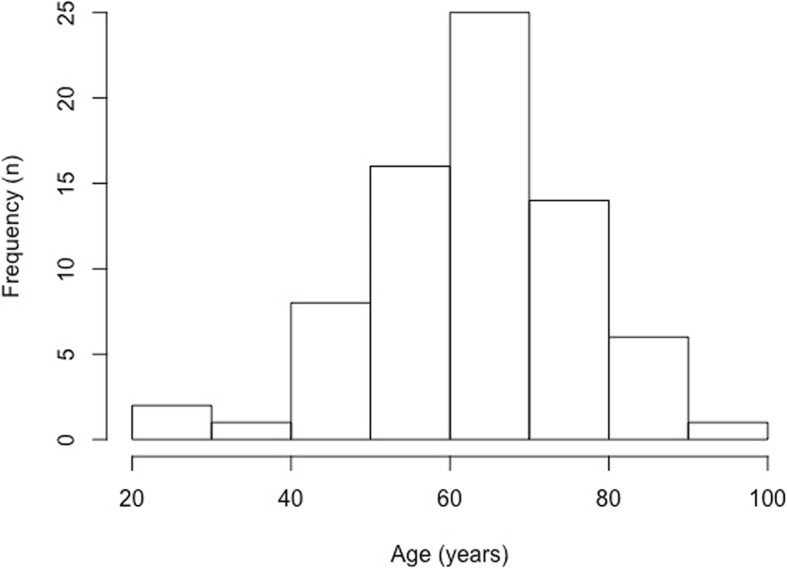
A retrospective analysis of wound microbiology results was performed, data were obtained from one multidisciplinary outpatient foot clinic during the 12 months of the year 2017. Seventy-three patients and 200 microbiological investigations were included. In cases of soft tissue infection, the deepest part of a cleansed and debrided wound was sampled. In cases of osteomyelitis a bone biopsy was obtained. Factors influencing the pattern of microbial growth or prevalence of Staphylococcus aureus were investigated.
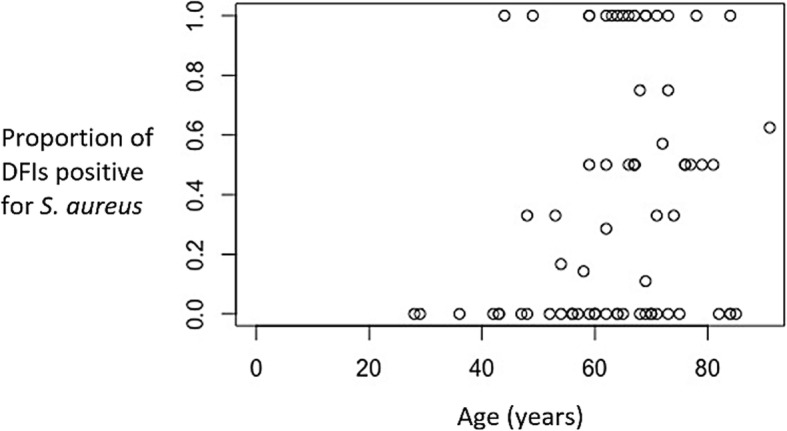
Of the 200 microbiological investigations, 62% were culture positive, of which 37.9% were polymicrobial and 62.1% monomicrobial. Among the monomicrobial results (n = 77), most were Gram positive isolates (96.1%) and the most frequently isolated bacteria was S. aureus (84.4%). No methicillin-resistant S. aureus was reported. The prevalence of S. aureus in DFIs was associated with increasing age (p = 0.021), but no evidence of association with gender, anatomical sample site or sample material was found.
The microbiological profile of DFIs in Scotland resembles that reported elsewhere in the UK. In this context, Gram positive organisms, primarily S. aureus, are most frequently isolated from DFIs. The S. aureus isolates identified were largely susceptible to antibiotic therapy. An association between increasing patient age and the prevalence of S. aureus in DFIs was observed.
本研究代表了苏格兰首例对糖尿病足感染(DFI)的微生物学进行回顾性分析。目的是比较苏格兰一家三级医院治疗的 DFI 的微生物学特征与文献中的特征,收集关于抗菌药物耐药性的数据,并研究微生物学结果与所取临床样本的性质或部位、患者年龄或性别之间的潜在趋势。
对伤口微生物学结果进行回顾性分析,数据来自 2017 年一年中一个多学科门诊足部诊所。共纳入 73 例患者和 200 例微生物学检查。在软组织感染的情况下,从清洁和清创后的最深部位取样。在骨髓炎的情况下,进行骨活检。调查影响微生物生长模式或金黄色葡萄球菌流行的因素。
在 200 例微生物学检查中,有 62%为培养阳性,其中 37.9%为混合感染,62.1%为单一感染。在单一微生物学结果(n=77)中,大多数为革兰氏阳性菌(96.1%),最常分离的细菌为金黄色葡萄球菌(84.4%)。未报告耐甲氧西林金黄色葡萄球菌。DFI 中金黄色葡萄球菌的流行与年龄增加有关(p=0.021),但未发现与性别、解剖样本部位或样本材料有关。
苏格兰 DFI 的微生物学特征与英国其他地区报告的相似。在这种情况下,革兰氏阳性菌,主要是金黄色葡萄球菌,最常从 DFI 中分离出来。鉴定的金黄色葡萄球菌分离株对抗生素治疗的敏感性较高。观察到患者年龄增加与 DFI 中金黄色葡萄球菌流行之间存在关联。