Calapai Fabrizio, Cardia Luigi, Sorbara Emanuela Elisa, Navarra Michele, Gangemi Sebastiano, Calapai Gioacchino, Mannucci Carmen
Department of Biomedical and Dental Sciences and Morphological and Functional Imaging, University of Messina, 98125 Messina, Italy.
Anesthesia, Intensive Care and Pain Therapy, A.O.U.G. Martino Messina, University of Messina, 98125 Messina, Italy.
Pharmaceutics. 2020 Mar 15;12(3):265. doi: 10.3390/pharmaceutics12030265.
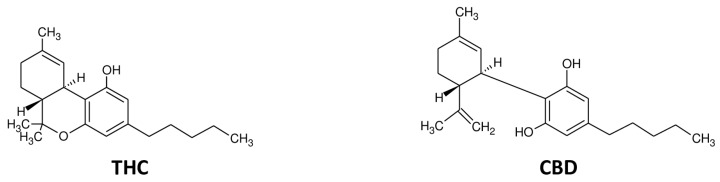
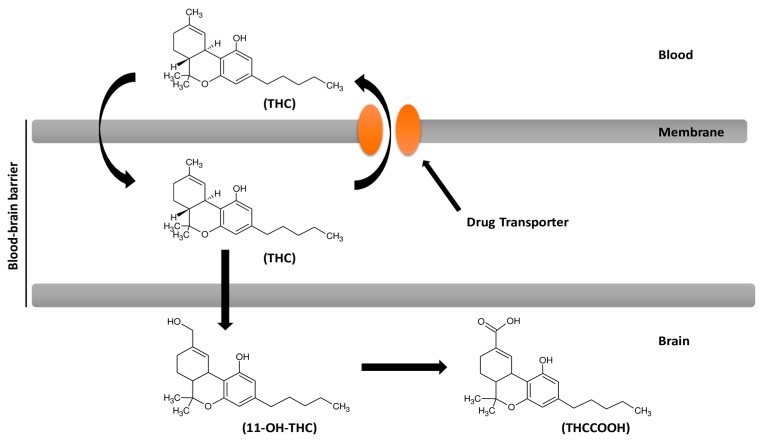
Potential therapeutic actions of the cannabinoids delta-9-tetrahydrocannabinol (THC) and cannabidiol (CBD) are based on their activity as analgesics, anti-emetics, anti-inflammatory agents, anti-seizure compounds. THC and CBD lipophilicity and their neurological actions makes them candidates as new medicinal approaches to treat central nervous system (CNS) diseases. However, they show differences about penetrability and disposition in the brain. The present article is an overview about THC and CBD crossing the blood-brain barrier (BBB) and their brain disposition. Several findings indicate that CBD can modify the deleterious effects on BBB caused by inflammatory cytokines and may play a pivotal role in ameliorating BBB dysfunction consequent to ischemia. Thus supporting the therapeutic potential of CBD for the treatment of ischemic and inflammatory diseases of CNS. Cannabinoids positive effects on cognitive function could be also considered through the aspect of protection of BBB cerebrovascular structure and function, indicating that they may purchase substantial benefits through the protection of BBB integrity. Delivery of these cannabinoids in the brain following different routes of administration (subcutaneous, oral, and pulmonary) is illustrated and commented. Finally, the potential role of cannabinoids in drug-resistance in the clinical management of neurological or psychiatric diseases such as epilepsy and schizophrenia is discussed on the light of their crossing the BBB.
大麻素Δ-9-四氢大麻酚(THC)和大麻二酚(CBD)的潜在治疗作用基于它们作为镇痛药、止吐药、抗炎药、抗癫痫化合物的活性。THC和CBD的亲脂性及其神经学作用使其成为治疗中枢神经系统(CNS)疾病的新药物方法的候选者。然而,它们在大脑中的渗透性和分布存在差异。本文是关于THC和CBD穿过血脑屏障(BBB)及其在大脑中的分布的综述。一些研究结果表明,CBD可以改变炎症细胞因子对BBB的有害影响,并可能在改善缺血导致的BBB功能障碍中起关键作用。因此支持了CBD治疗CNS缺血性和炎性疾病的治疗潜力。大麻素对认知功能的积极作用也可以通过保护BBB脑血管结构和功能的方面来考虑,这表明它们可能通过保护BBB完整性获得实质性益处。文中说明了并评论了这些大麻素通过不同给药途径(皮下、口服和肺部)在大脑中的递送情况。最后,根据大麻素穿过BBB的情况,讨论了它们在癫痫和精神分裂症等神经或精神疾病临床管理中的耐药性方面的潜在作用。