Department of Neuroscience, Physiology and Pharmacology, University College London, Gower Street, London WC1E 6BT, UK.
Department of Neuroscience, Physiology and Pharmacology, University College London, Gower Street, London WC1E 6BT, UK.
Cell Rep. 2020 Mar 17;30(11):3644-3654.e6. doi: 10.1016/j.celrep.2020.02.093.
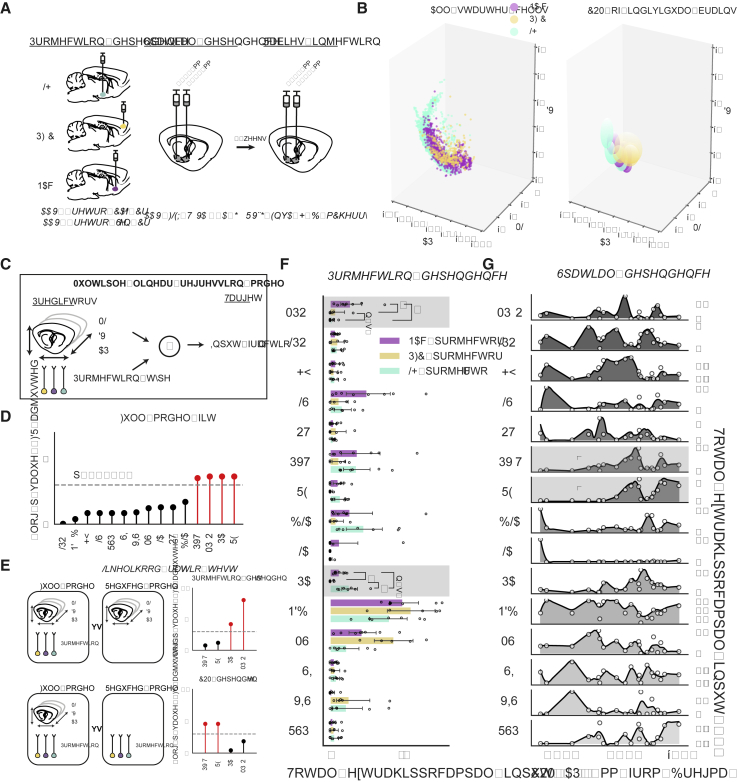
The ventral subiculum (vS) of the mouse hippocampus coordinates diverse behaviors through heterogeneous populations of pyramidal neurons that project to multiple distinct downstream regions. Each of these populations of neurons is proposed to integrate a unique combination of thousands of local and long-range synaptic inputs, but the extent to which this occurs remains unknown. To address this, we employ monosynaptic rabies tracing to study the input-output relationship of vS neurons. Analysis of brain-wide inputs reveals quantitative input differences that could be explained by a combination of both the identity of the downstream target and the spatial location of the postsynaptic neurons within vS. These results support a model of combined topographical and output-defined connectivity of vS inputs. Overall, we reveal prominent heterogeneity in brain-wide inputs to the vS parallel output circuitry, providing a basis for the selective control of individual projections during behavior.
小鼠海马体的腹侧下托(vS)通过投射到多个不同下游区域的异质锥体神经元群来协调各种行为。每个神经元群都被认为整合了独特的数千个局部和远程突触输入的组合,但这种情况发生的程度尚不清楚。为了解决这个问题,我们采用单突触狂犬病毒追踪来研究 vS 神经元的输入-输出关系。对全脑输入的分析揭示了定量的输入差异,可以通过下游目标的身份和 vS 内突触后神经元的空间位置的组合来解释。这些结果支持 vS 输入的组合拓扑和输出定义连接的模型。总的来说,我们揭示了 vS 平行输出回路中全脑输入的显著异质性,为行为期间对单个投射的选择性控制提供了基础。