Department of Obstetrics and Gynecology, University of Oklahoma Health Sciences Center, Oklahoma City, Oklahoma, USA.
Division of Comparative Medicine, University of Oklahoma Health Sciences Center, Oklahoma City, Oklahoma, USA.
J Virol. 2020 May 18;94(11). doi: 10.1128/JVI.00058-20.
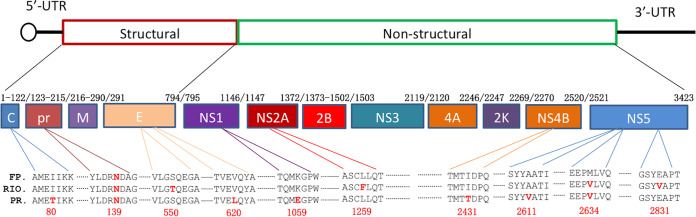
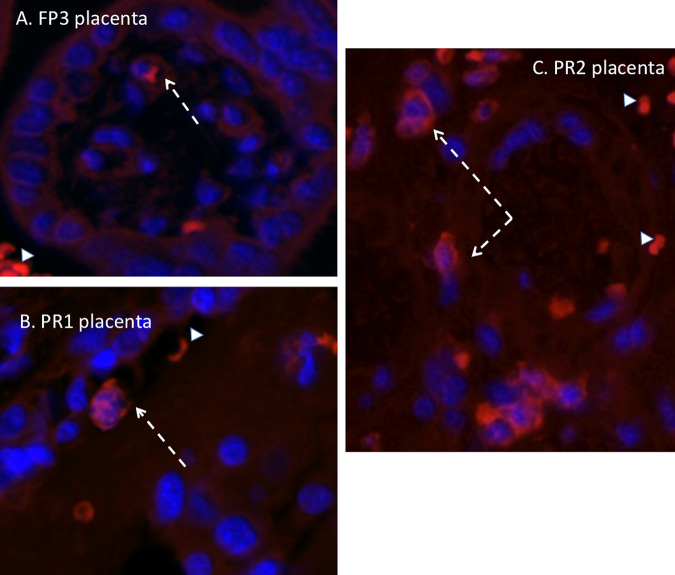
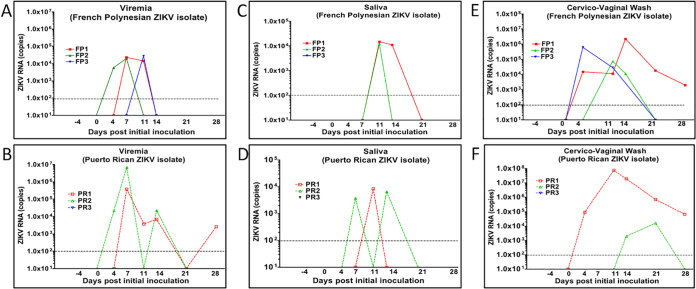
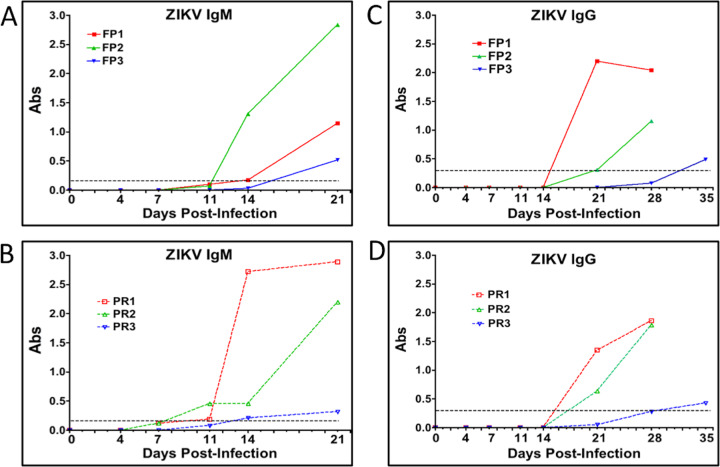
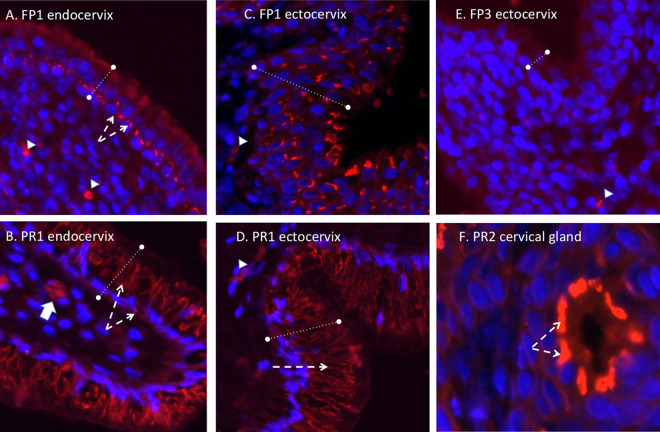
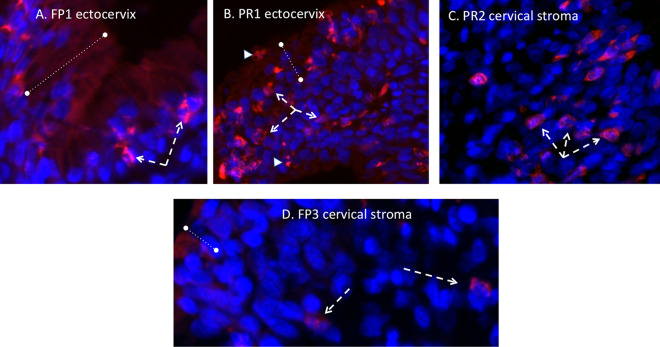
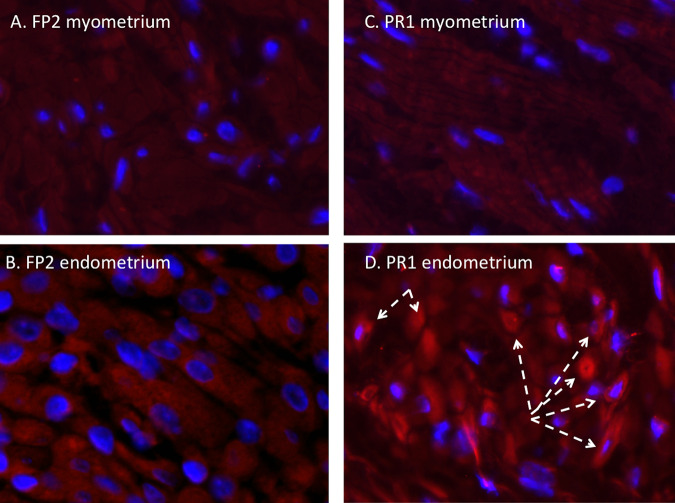
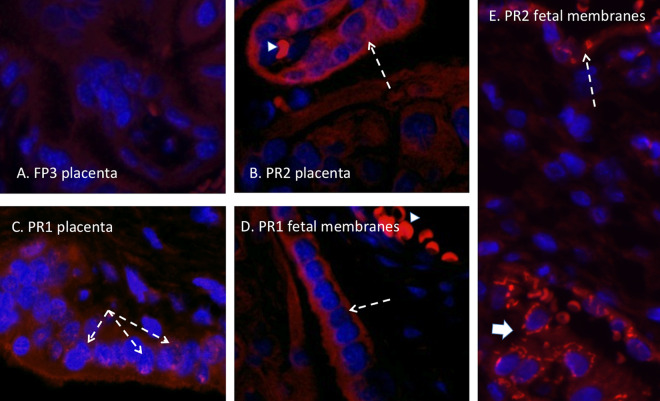
Zika virus (ZIKV) infection is now firmly linked to congenital Zika syndrome (CZS), including fetal microcephaly. While species of mosquito are the primary vector for ZIKV, sexual transmission of ZIKV is a significant route of infection. ZIKV has been documented in human, mouse, and nonhuman primate (NHP) semen. It is critical to establish NHP models of the vertical transfer of ZIKV that recapitulate human pathogenesis. We hypothesized that vaginal deposition of ZIKV-infected baboon semen would lead to maternal infection and vertical transfer in the olive baboon (). Epidemiological studies suggest an increased rate of CZS in the Americas compared to the original link to CZS in French Polynesia; therefore, we also compared the French Polynesian (FP) ZIKV isolate to the Puerto Rican (PR) isolate. Timed-pregnant baboons ( = 6) were inoculated via vaginal deposition of baboon semen containing 10 focus-forming units (FFU) of ZIKV ( = 3 for FP isolate H/PF/2013; = 3 for PR isolate PRVABC59) at midgestation (86 to 95 days of gestation [dG]; term, 183 dG) on day 0 (all dams) and then at 7-day intervals through 3 weeks. Maternal blood, saliva, and cervicovaginal wash (CVW) samples were obtained. Animals were euthanized at 28 days ( = 5) or 39 days ( = 1) after the initial inoculation, and maternal/fetal tissues were collected. Viremia was achieved in 3/3 FP ZIKV-infected dams and 2/3 PR ZIKV-infected dams. ZIKV RNA was detected in CVW samples of 5/6 dams. ZIKV RNA was detected in lymph nodes but not the ovaries, uterus, cervix, or vagina in FP isolate-infected dams. ZIKV RNA was detected in lymph nodes (3/3), uterus (2/3), and vagina (2/3) in PR isolate-infected dams. Placenta, amniotic fluid, and fetal tissues were ZIKV RNA negative in the FP isolate-infected dams, whereas 2/3 PR isolate-infected dam placentas were ZIKV RNA positive. We conclude that ZIKV-infected semen is a means of ZIKV transmission during pregnancy in primates. The PR isolate appeared more capable of widespread dissemination to tissues, including reproductive tissues and placenta, than the FP isolate. Zika virus remains a worldwide health threat, with outbreaks still occurring in the Americas. While mosquitos are the primary vector for the spread of the virus, sexual transmission of Zika virus is also a significant means of infection, especially in terms of passage from an infected to an uninfected partner. While sexual transmission has been documented in humans, and male-to-female transmission has been reported in mice, ours is the first study in nonhuman primates to demonstrate infection via vaginal deposition of Zika virus-infected semen. The latter is important since a recent publication indicated that human semen inhibited, in a laboratory setting, Zika virus infection of reproductive tissues. We also found that compared to the French Polynesian isolate, the Puerto Rican Zika virus isolate led to greater spread throughout the body, particularly in reproductive tissues. The American isolates of Zika virus appear to have acquired mutations that increase their efficacy.
寨卡病毒(ZIKV)感染现在与先天性寨卡综合征(CZS),包括胎儿小头畸形,紧密相关。虽然蚊子是 ZIKV 的主要传播媒介,但 ZIKV 的性传播也是感染的重要途径。已经在人类、小鼠和非人类灵长类动物(NHP)的精液中检测到 ZIKV。建立 recapitulate 人类发病机制的 ZIKV 垂直传播的 NHP 模型至关重要。我们假设阴道内接种感染 ZIKV 的狒狒精液会导致母体内感染和橄榄狒狒()中的垂直传播。流行病学研究表明,与最初与法属波利尼西亚的 CZS 相关的 ZIKV 相比,美洲的 CZS 发生率更高;因此,我们还比较了法属波利尼西亚(FP)ZIKV 分离株和波多黎各(PR)分离株。定时怀孕的狒狒( = 6)在妊娠中期(妊娠 86 至 95 天[DG];足月,183 DG)通过阴道内接种含有 10 个焦点形成单位(FFU)ZIKV 的狒狒精液( = 3 个用于 FP 分离株 H/PF/2013; = 3 个用于 PR 分离株 PRVABC59)进行接种。在第 0 天(所有母兽),然后每隔 7 天进行一次,持续 3 周。采集母血、唾液和宫颈阴道洗液(CVW)样本。在初次接种后 28 天( = 5)或 39 天( = 1)时,动物被安乐死,采集母/胎组织。3/3 FP ZIKV 感染的母兽和 2/3 PR ZIKV 感染的母兽均发生病毒血症。CVW 样本中检测到 5/6 母兽的 ZIKV RNA。FP 分离株感染的母兽淋巴结中检测到 ZIKV RNA,但卵巢、子宫、宫颈或阴道中未检测到。PR 分离株感染的母兽中,淋巴结(3/3)、子宫(2/3)和阴道(2/3)中检测到 ZIKV RNA。FP 分离株感染的母兽胎盘、羊水和胎儿组织均为 ZIKV RNA 阴性,而 2/3 PR 分离株感染的母兽胎盘为 ZIKV RNA 阳性。我们得出结论,感染 ZIKV 的精液是灵长类动物在怀孕期间传播 ZIKV 的一种方式。PR 分离株似乎比 FP 分离株更能够广泛传播到组织中,包括生殖组织和胎盘。寨卡病毒仍然是全球健康威胁,美洲仍有疫情发生。虽然蚊子是病毒传播的主要媒介,但寨卡病毒的性传播也是感染的重要途径,尤其是从感染到未感染的伴侣传播。虽然已经在人类中记录了性传播,并且在小鼠中已经报道了雄性向雌性的传播,但我们的研究是首次在非人类灵长类动物中通过阴道内接种感染的寨卡病毒精液进行的研究。这一点很重要,因为最近的一篇论文表明,人类精液在实验室环境中抑制了寨卡病毒对生殖组织的感染。我们还发现,与法属波利尼西亚分离株相比,波多黎各寨卡病毒分离株导致全身传播范围更广,尤其是在生殖组织中。寨卡病毒的美洲分离株似乎获得了增加其效力的突变。