Haywood Natalie J, Slater Thomas A, Drozd Michael, Warmke Nele, Matthews Connor, Cordell Paul A, Smith Jessica, Rainford Jethro, Cheema Harneet, Maher Caitlyn, Bridge Katherine I, Yuldasheva Nadira Y, Cubbon Richard M, Kearney Mark T, Wheatcroft Stephen B
Leeds Institute of Cardiovascular and Metabolic Medicine, Faculty of Medicine and Health, University of Leeds, Leeds, UK.
J Endocr Soc. 2019 Nov 4;4(1):bvz006. doi: 10.1210/jendso/bvz006. eCollection 2020 Jan 1.
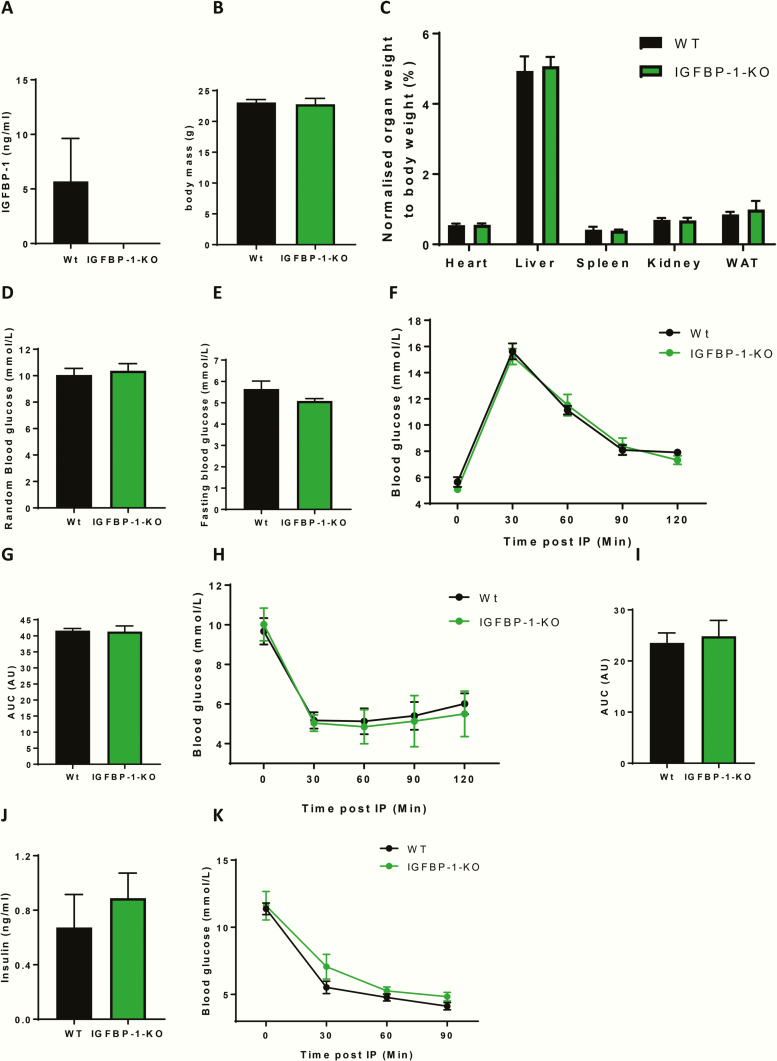
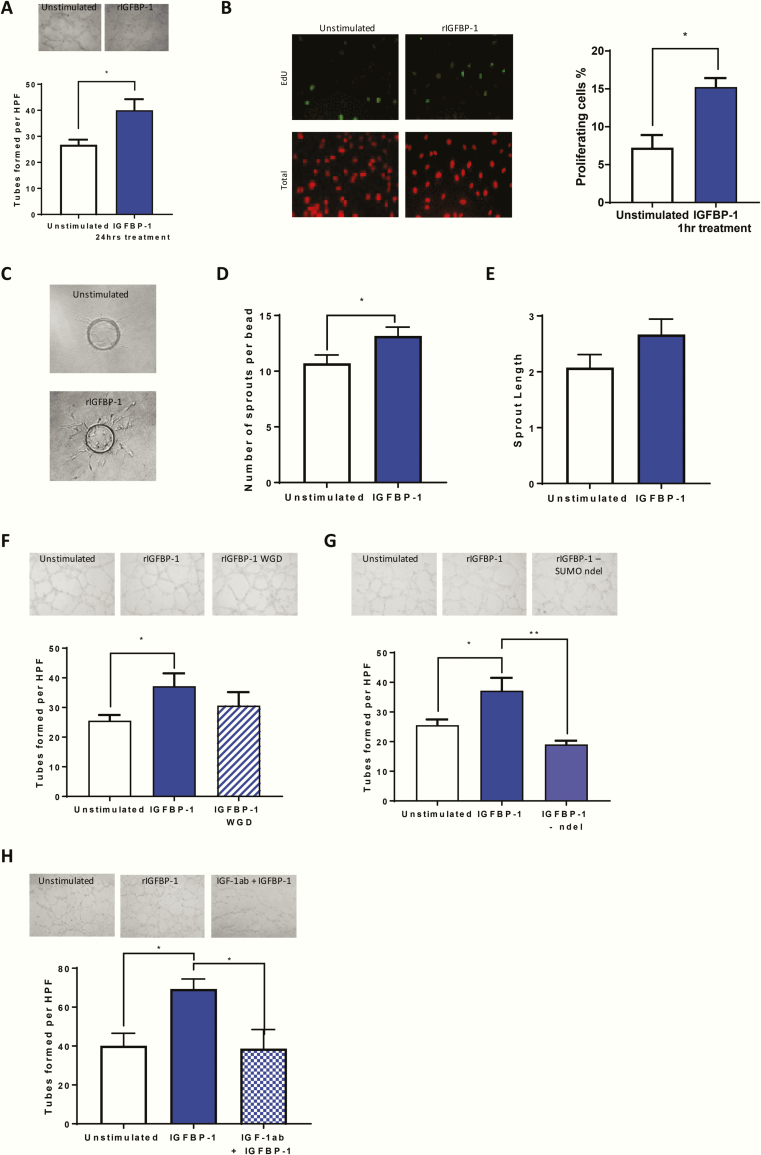
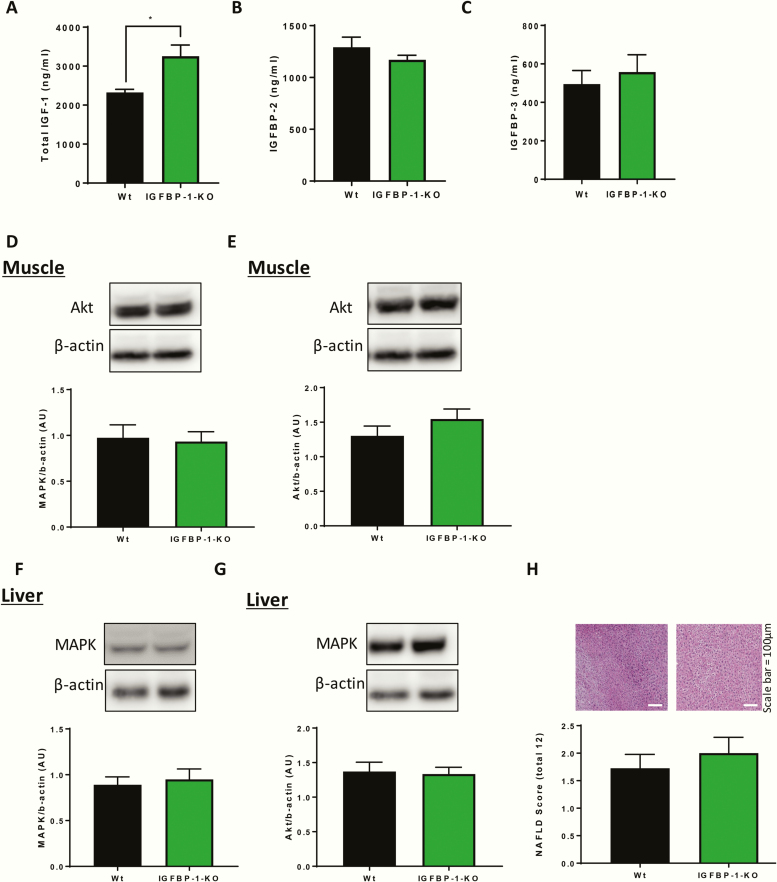
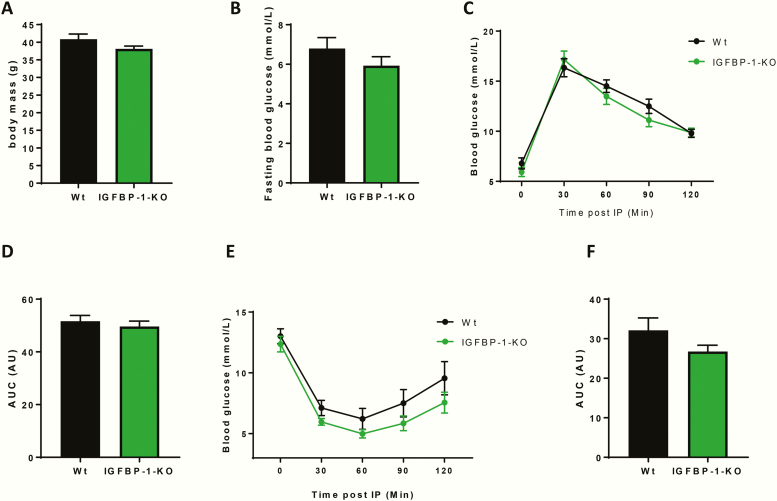
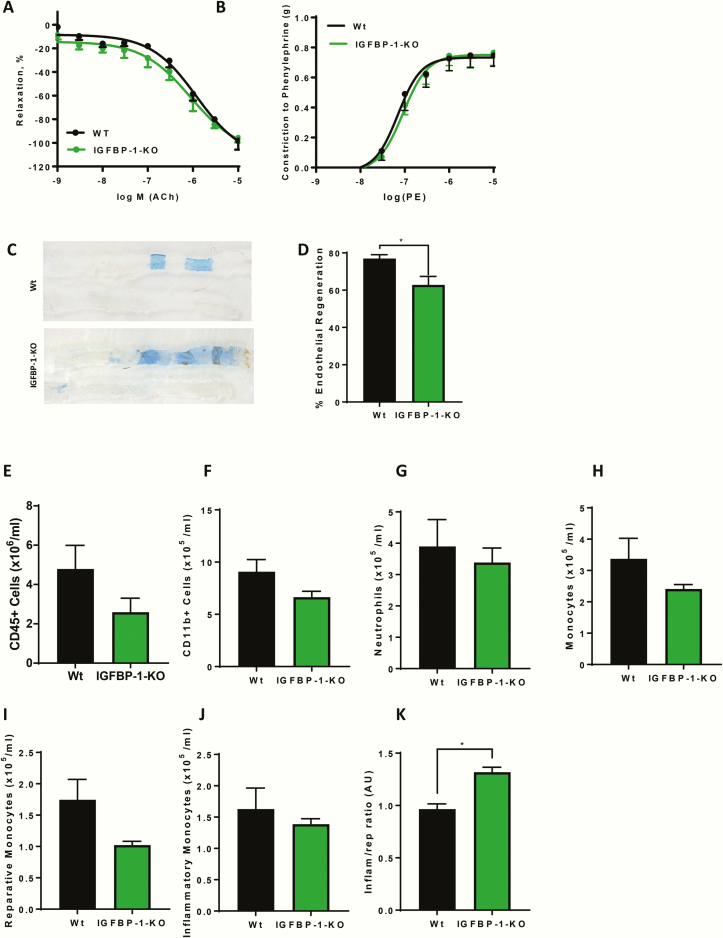
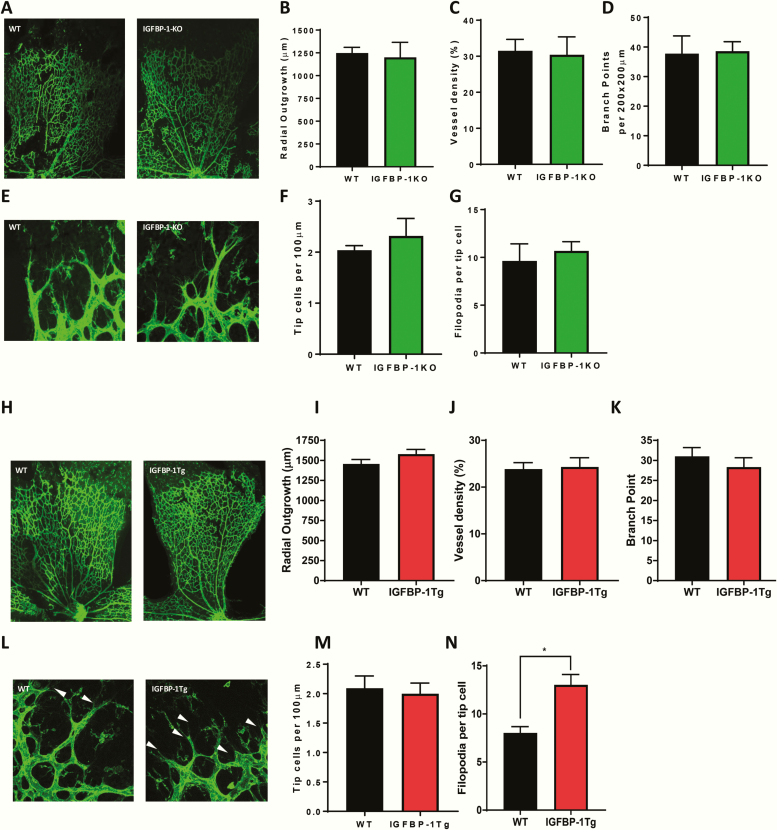
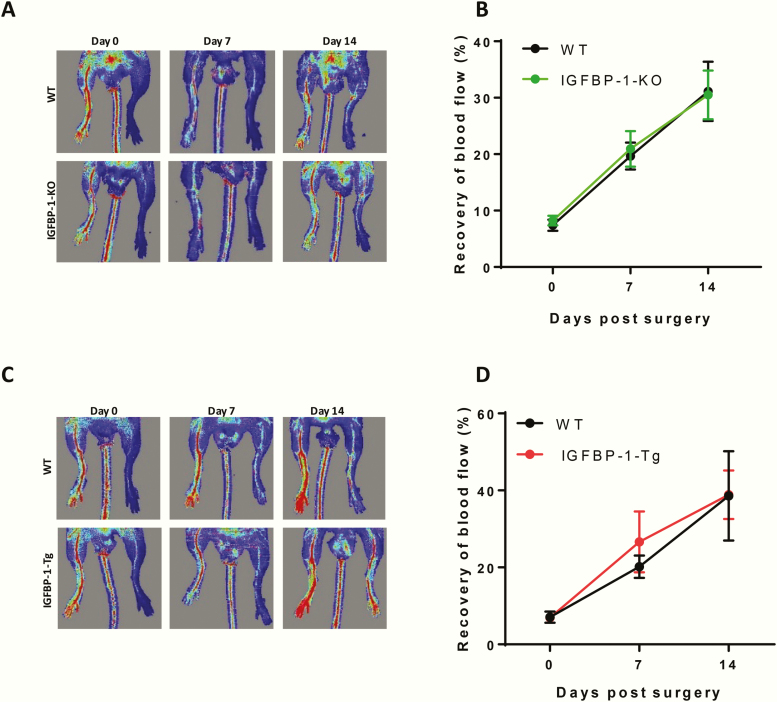
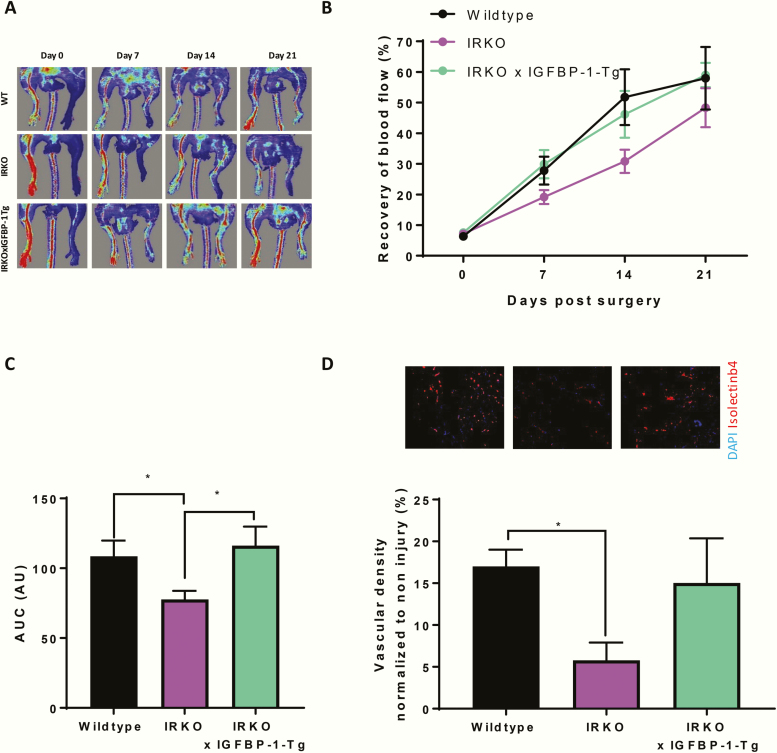
We have previously reported that overexpression of human insulin-like growth factor binding protein (IGFBP)-1 in mice leads to vascular insulin sensitization, increased nitric oxide bioavailability, reduced atherosclerosis, and enhanced vascular repair, and in the setting of obesity improves glucose tolerance. Human studies suggest that low levels of IGFBP-1 are permissive for the development of diabetes and cardiovascular disease. Here we seek to determine whether loss of IGFBP-1 plays a causal role in the predisposition to cardiometabolic disease. Metabolic phenotyping was performed in transgenic mice with homozygous knockout of IGFBP-1. This included glucose, insulin, and insulin-like growth factor I tolerance testing under normal diet and high-fat feeding conditions. Vascular phenotyping was then performed in the same mice using vasomotor aortic ring studies, flow cytometry, vascular wire injury, and angiogenesis assays. These were complemented with vascular phenotyping of IGFBP-1 overexpressing mice. Metabolic phenotype was similar in IGFBP-1 knockout and wild-type mice subjected to obesity. Deletion of IGFBP-1 inhibited endothelial regeneration following injury, suggesting that IGFBP-1 is required for effective vascular repair. Developmental angiogenesis was unaltered by deletion or overexpression of IGFBP-1. Recovery of perfusion following hind limb ischemia was unchanged in mice lacking or overexpressing IGFBP-1; however, overexpression of IGFBP-1 stimulated hindlimb perfusion and angiogenesis in insulin-resistant mice. These findings provide new insights into the role of IGFBP-1 in metabolic and vascular pathophysiology. Irrespective of whether loss of IGFBP-1 plays a causal role in the development of cardiometabolic disorders, increasing IGFBP-1 levels appears effective in promoting neovascularization in response to ischemia.
我们之前曾报道,在小鼠中过表达人胰岛素样生长因子结合蛋白(IGFBP)-1可导致血管胰岛素敏感性增加、一氧化氮生物利用度提高、动脉粥样硬化减轻、血管修复增强,并且在肥胖情况下可改善糖耐量。人体研究表明,低水平的IGFBP-1有利于糖尿病和心血管疾病的发生。在此,我们试图确定IGFBP-1的缺失是否在心脏代谢疾病的易感性中起因果作用。对IGFBP-1纯合敲除的转基因小鼠进行代谢表型分析。这包括在正常饮食和高脂喂养条件下进行葡萄糖、胰岛素和胰岛素样生长因子I耐量测试。然后,使用血管运动主动脉环研究、流式细胞术、血管钢丝损伤和血管生成测定法,对同一只小鼠进行血管表型分析。这些研究辅以IGFBP-1过表达小鼠的血管表型分析。在肥胖的IGFBP-1敲除小鼠和野生型小鼠中,代谢表型相似。IGFBP-1的缺失抑制了损伤后的内皮再生,表明IGFBP-1是有效血管修复所必需的。IGFBP-1的缺失或过表达对发育性血管生成没有影响。在缺乏或过表达IGFBP-1的小鼠中,后肢缺血后灌注的恢复没有变化;然而,IGFBP-1的过表达刺激了胰岛素抵抗小鼠的后肢灌注和血管生成。这些发现为IGFBP-1在代谢和血管病理生理学中的作用提供了新的见解。无论IGFBP-1的缺失是否在心脏代谢疾病的发生中起因果作用,提高IGFBP-1水平似乎都能有效促进缺血后的新生血管形成。