Centre for Antibiotic Resistance Research (CARe), University of Gothenburg, Gothenburg, Sweden.
Department of Infectious Diseases, Institute of Biomedicine, Sahlgrenska Academy, University of Gothenburg, Gothenburg, Sweden.
Microbiome. 2020 Mar 20;8(1):41. doi: 10.1186/s40168-020-00814-z.
New antibiotic resistance determinants are generally discovered too late, long after they have irreversibly emerged in pathogens and spread widely. Early discovery of resistance genes, before or soon after their transfer to pathogens could allow more effective measures to monitor and reduce spread, and facilitate genetics-based diagnostics.
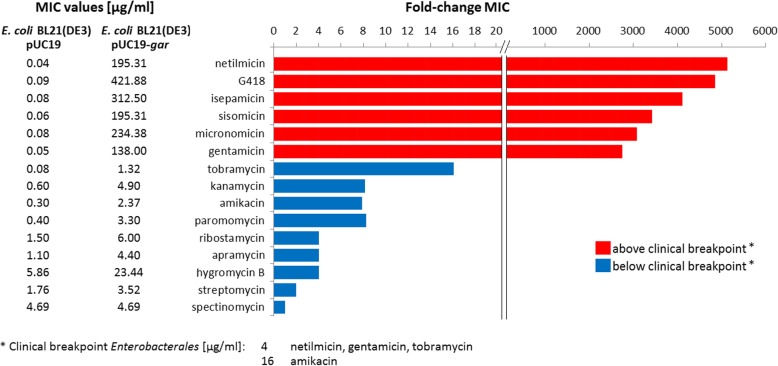
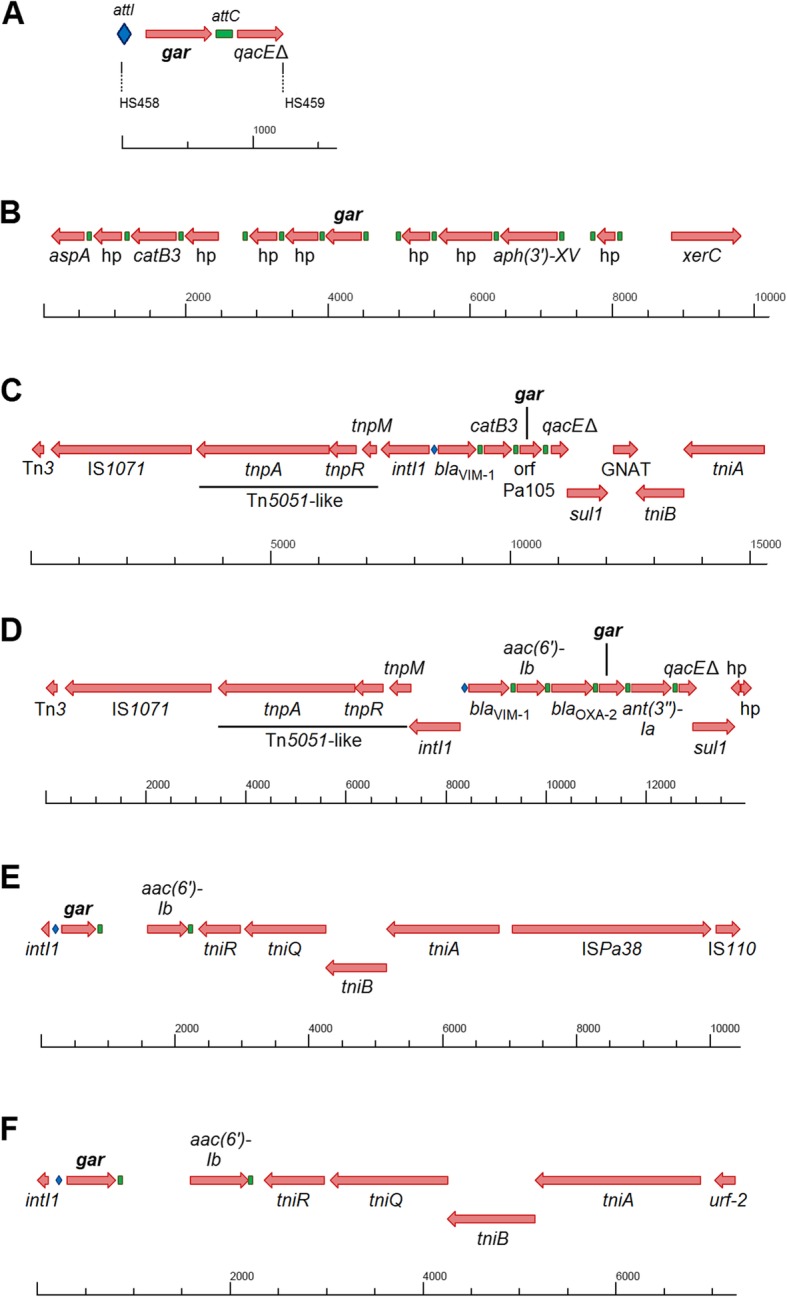
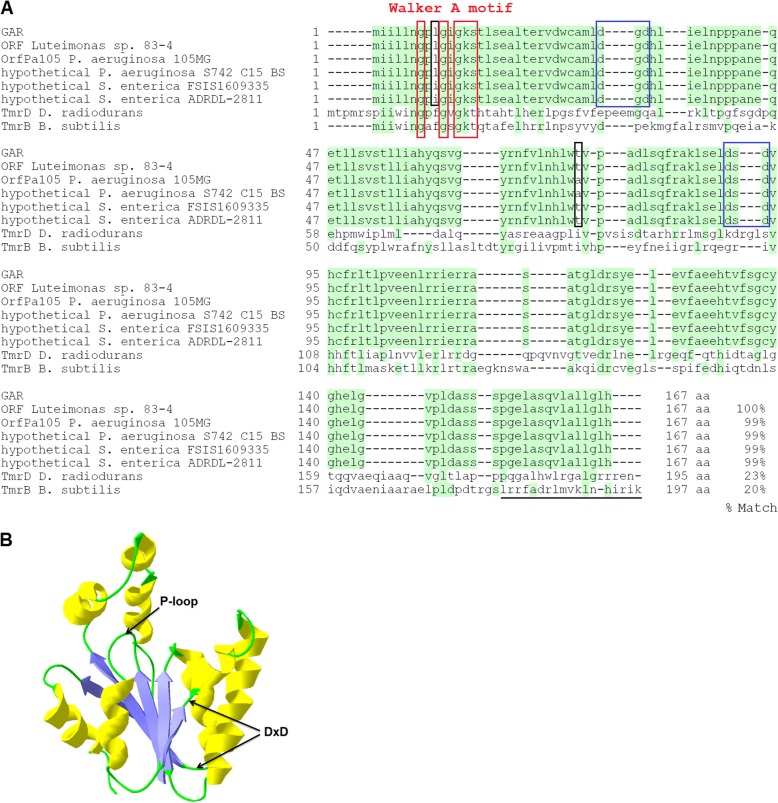
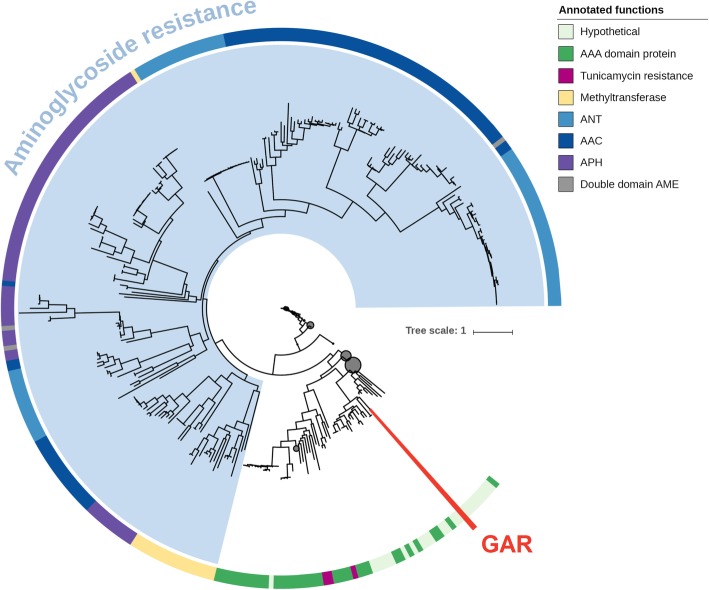
We modified a functional metagenomics approach followed by in silico filtering of known resistance genes to discover novel, mobilised resistance genes in class 1 integrons in wastewater-impacted environments. We identified an integron-borne gene cassette encoding a protein that conveys high-level resistance against aminoglycosides with a garosamine moiety when expressed in E. coli. The gene is named gar (garosamine-specific aminoglycoside resistance) after its specificity. It contains none of the functional domains of known aminoglycoside modifying enzymes, but bears characteristics of a kinase. By searching public databases, we found that the gene occurs in three sequenced, multi-resistant clinical isolates (two Pseudomonas aeruginosa and one Luteimonas sp.) from Italy and China, respectively, as well as in two food-borne Salmonella enterica isolates from the USA. In all cases, gar has escaped discovery until now.
To the best of our knowledge, this is the first time a novel resistance gene, present in clinical isolates, has been discovered by exploring the environmental microbiome. The gar gene has spread horizontally to different species on at least three continents, further limiting treatment options for bacterial infections. Its specificity to garosamine-containing aminoglycosides may reduce the usefulness of the newest semisynthetic aminoglycoside plazomicin, which is designed to avoid common aminoglycoside resistance mechanisms. Since the gene appears to be not yet common in the clinics, the data presented here enables early surveillance and maybe even mitigation of its spread.
新的抗生素耐药决定因素通常在它们在病原体中不可逆转地出现并广泛传播很久之后才被发现。在抗性基因转移到病原体之前或之后不久就发现抗性基因,可以采取更有效的措施进行监测和减少传播,并促进基于遗传学的诊断。
我们修改了一种功能宏基因组学方法,然后对已知抗性基因进行计算机筛选,以发现受废水影响环境中的 1 类整合子中新型、可移动的抗性基因。我们鉴定了一个整合子携带的基因盒,该基因盒编码的蛋白质在大肠杆菌中表达时对带有 garosamine 部分的氨基糖苷类药物具有高水平抗性。该基因因其特异性而被命名为 gar(garosamine 特异性氨基糖苷类抗性)。它不包含已知氨基糖苷类修饰酶的任何功能结构域,但具有激酶的特征。通过搜索公共数据库,我们发现该基因存在于三个已测序的多耐药临床分离株(两个铜绿假单胞菌和一个黄单胞菌)中,分别来自意大利和中国,以及两个来自美国的食源性病原体沙门氏菌分离株中。在所有情况下,gar 基因直到现在才被发现。
据我们所知,这是首次通过探索环境微生物组发现存在于临床分离株中的新型耐药基因。gar 基因已在至少三个大陆的不同物种中水平传播,进一步限制了细菌感染的治疗选择。它对含有 garosamine 的氨基糖苷类药物的特异性可能会降低新型半合成氨基糖苷类药物 plazomicin 的有效性,该药物旨在避免常见的氨基糖苷类耐药机制。由于该基因在临床上似乎尚未普遍存在,因此这里提供的数据可实现早期监测,甚至可能减轻其传播。