Endocrinology and metabolism Research Center, institute of Basic and clinical physiology Sciences, Kerman University of Medical Sciences, Kerman, Iran.
Physiology Research Center, Institute of Basic and Clinical Physiology Sciences, Kerman University of Medical Sciences, Kerman, Iran.
Sci Rep. 2020 Mar 20;10(1):5100. doi: 10.1038/s41598-020-61985-1.
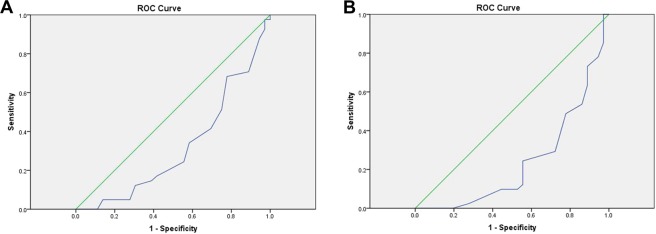
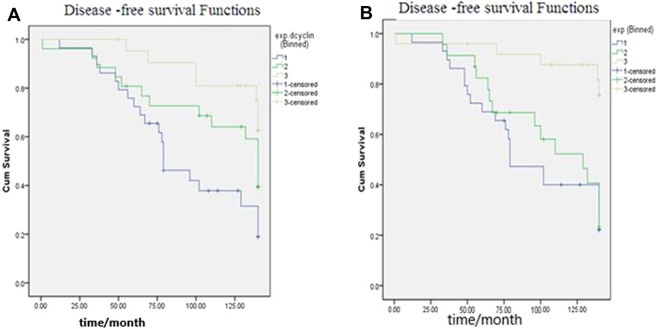
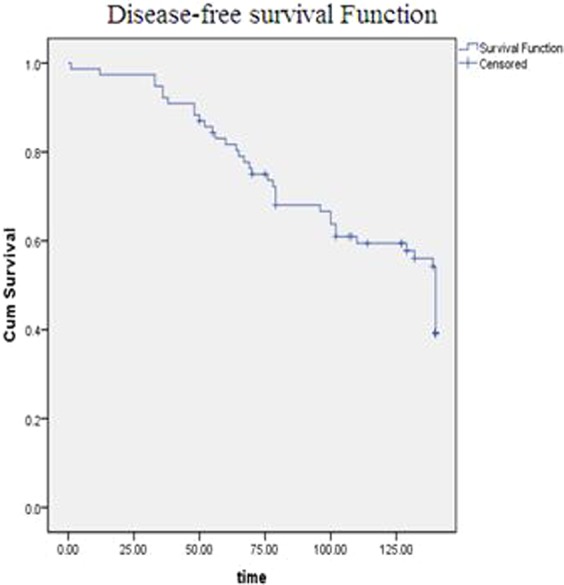
A direct association has been shown between Cyclin D1 and C-myc gene expressions and the proliferation of human thyroid tumor cells. Our previous study showed that increased β catenin led to a reduction in disease-free probability in patients with papillary thyroid cancer. This study was designed to investigate Cyclin D1 and C-myc genes as targets for β catenin function in PTC and to determine the association between genes expression and staging, recurrence, metastasis, and disease-free survival of PTC. This study was conducted via a thorough investigation of available data from medical records as well as paraffin blocks of 77 out of 400 patients over a 10-year period. Cyclin D1 and C-myc gene expression levels were measured using real-time polymerase chain reaction (RT-PCR) and the Kaplan-Meier method was used to evaluate disease-free survival. Higher levels of Cyclin D1 and C-myc gene expressions were observed in patients with recurrence by 8.5 (P = 0.004) and 19.5 (p = 0.0001) folds, respectively. A significant positive correlation was found between Cyclin D1 expression and the cumulative dose of radioactive iodine received by patients (r = -0.2, p value = 0.03). The ten-year survival rate in the patients included in this study was 98.25% while disease-free survival was 48.1%. Higher Cyclin D1 and C-myc gene expression levels were observed in patients with recurrence/distant metastasis. Inversely, lower expression of Cyclin D1 and C-myc genes were associated with better survival of patients (SD, 0.142-0.052) (Mantel-Cox test, P = 0.002). The enhancement of Cyclin D1 and C-myc gene expression may be a potential mechanism for recurrence and aggressiveness of PTC.
Cyclin D1 和 C-myc 基因的表达与人类甲状腺肿瘤细胞的增殖之间存在直接关联。我们之前的研究表明,β-连环蛋白的增加导致甲状腺乳头状癌患者无病概率降低。本研究旨在研究β-连环蛋白在 PTC 中的功能对 Cyclin D1 和 C-myc 基因的影响,并确定基因表达与 PTC 的分期、复发、转移和无病生存之间的关系。本研究通过对 400 例患者 10 年期间的病历和石蜡块中可用数据进行深入调查来进行。使用实时聚合酶链反应 (RT-PCR) 测量 Cyclin D1 和 C-myc 基因的表达水平,并使用 Kaplan-Meier 方法评估无病生存。复发患者的 Cyclin D1 和 C-myc 基因表达水平分别升高了 8.5 倍(P = 0.004)和 19.5 倍(p = 0.0001)。Cyclin D1 表达与患者接受放射性碘累积剂量之间存在显著正相关(r = -0.2,p 值=0.03)。本研究纳入的患者 10 年生存率为 98.25%,无病生存率为 48.1%。复发/远处转移患者的 Cyclin D1 和 C-myc 基因表达水平较高。相反,Cyclin D1 和 C-myc 基因表达水平较低与患者的生存状况较好相关(SD,0.142-0.052)(Mantel-Cox 检验,P = 0.002)。Cyclin D1 和 C-myc 基因表达的增强可能是 PTC 复发和侵袭性的潜在机制。