Division of Animal Sciences, University of Missouri, Columbia, MO 65211-5300, USA.
Department of Animal Sciences, University of Illinois at Urbana-Champaign, Urbana, IL 61801, USA.
Int J Mol Sci. 2020 Mar 19;21(6):2121. doi: 10.3390/ijms21062121.
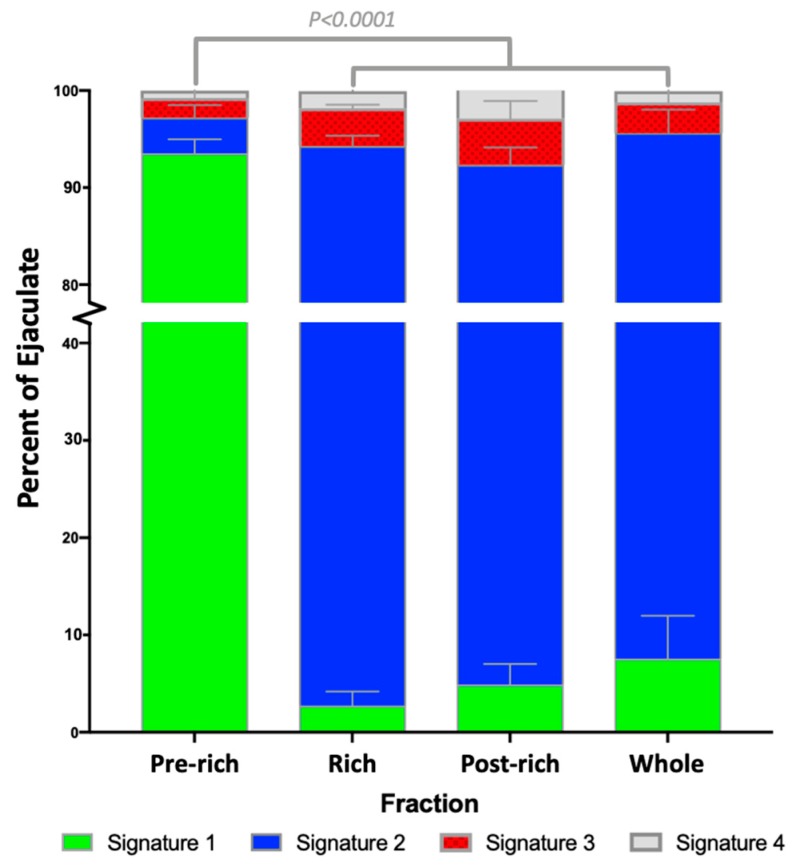
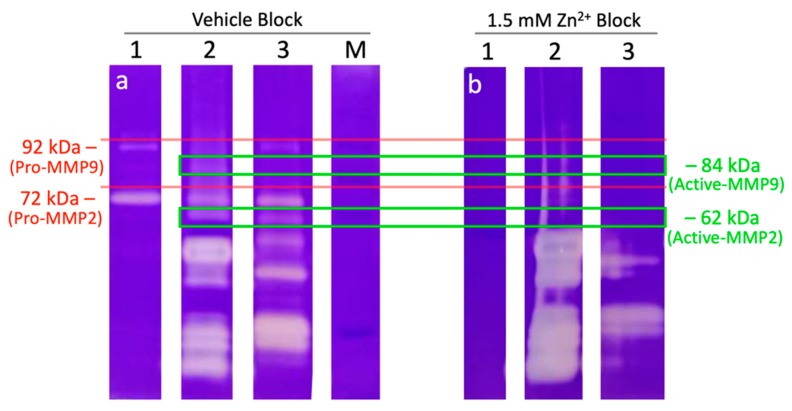
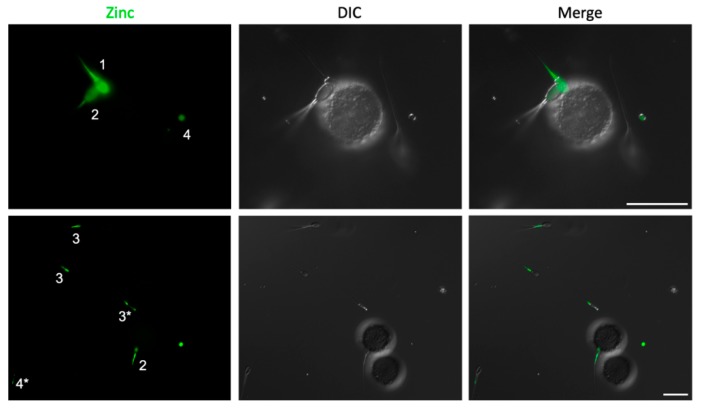
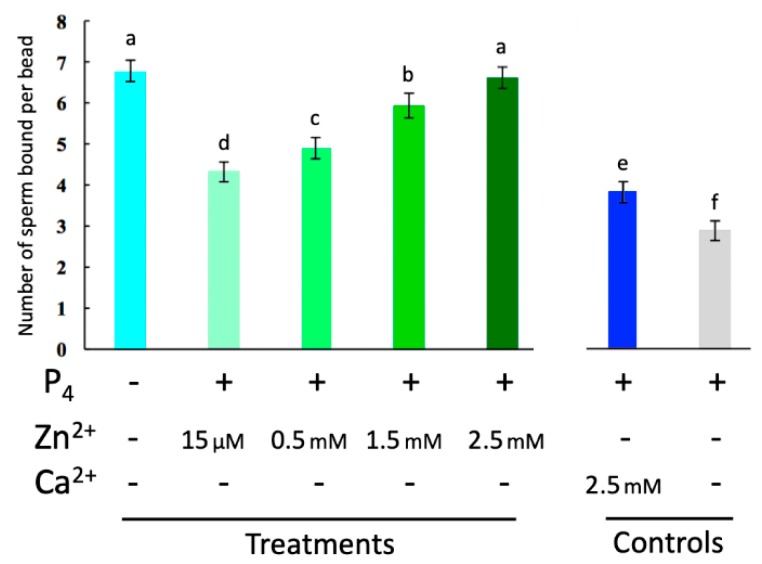
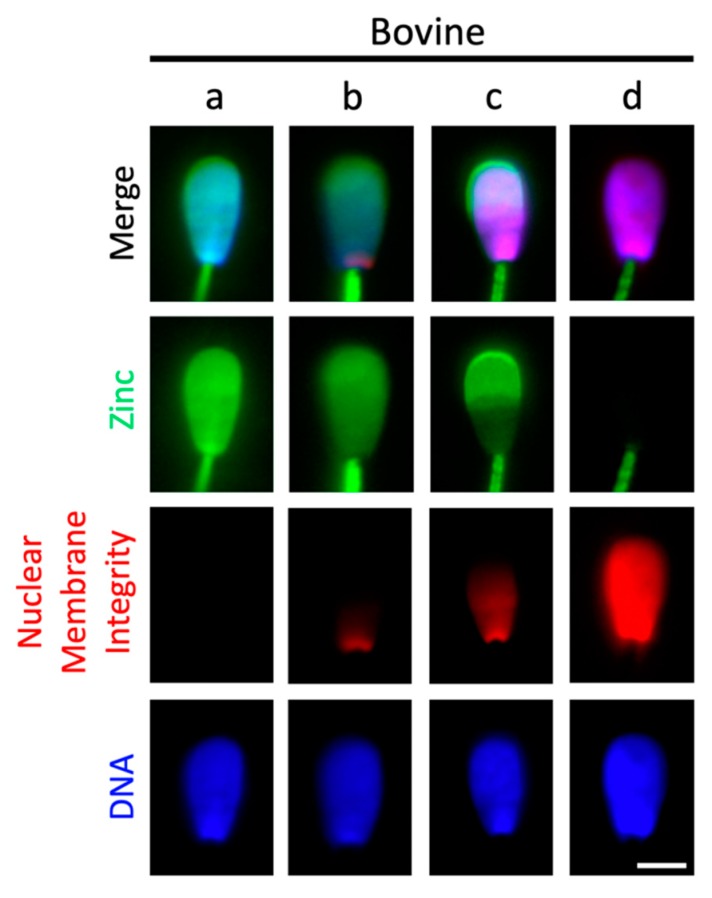
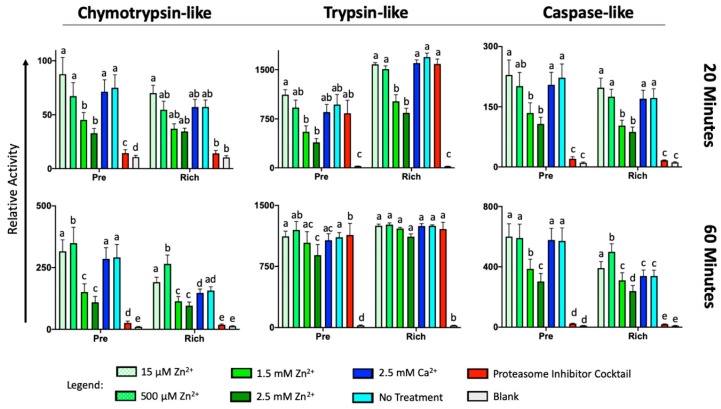
Building on our recent discovery of the zinc signature phenomenon present in boar, bull, and human spermatozoa, we have further characterized the role of zinc ions in the spermatozoa's pathway to fertilization. In boar, the zinc signature differed between the three major boar ejaculate fractions, the initial pre-rich, the sperm-rich, and the post-sperm-rich fraction. These differences set in the sperm ejaculatory sequence establish two major sperm cohorts with marked differences in their sperm capacitation progress. On the subcellular level, we show that the capacitation-induced Zn-ion efflux allows for sperm release from oviductal glycans as analyzed with the oviductal epithelium mimicking glycan binding assay. Sperm zinc efflux also activates zinc-containing enzymes and proteases involved in sperm penetration of the zona pellucida, such as the inner acrosomal membrane matrix metalloproteinase 2 (MMP2). Both MMP2 and the 26S proteasome showed severely reduced activity in the presence of zinc ions, through studies using by gel zymography and the fluorogenic substrates, respectively. In the context of the fertilization-induced oocyte zinc spark and the ensuing oocyte-issued polyspermy-blocking zinc shield, the inhibitory effect of zinc on sperm-borne enzymes may contribute to the fast block of polyspermy. Altogether, our findings establish a new paradigm on the role of zinc ions in sperm function and pave the way for the optimization of animal semen analysis, artificial insemination (AI), and human male-factor infertility diagnostics.
基于我们最近在公猪、公牛和人类精子中发现的锌指纹现象,我们进一步研究了锌离子在精子受精途径中的作用。在公猪中,锌指纹在三种主要的公猪精液部分(初始富含精子前部分、富含精子部分和富含精子后部分)之间存在差异。这些在精子射出序列中出现的差异,将精子分为两个主要群体,它们在精子获能进展方面存在明显差异。在亚细胞水平上,我们表明,获能诱导的 Zn 离子外排使精子能够从输卵管上皮糖中释放出来,如用模拟输卵管上皮糖结合的分析方法所示。精子锌外排还激活了锌含量的酶和蛋白酶,这些酶和蛋白酶参与精子穿透透明带,如内顶体膜基质金属蛋白酶 2(MMP2)。通过凝胶酶谱法和荧光底物研究,分别显示 MMP2 和 26S 蛋白酶体在锌离子存在下的活性严重降低。在受精诱导的卵母细胞锌火花和随后的卵母细胞发出的多精子阻断锌屏蔽的背景下,锌对精子携带的酶的抑制作用可能有助于快速阻断多精子受精。总之,我们的发现确立了锌离子在精子功能中的作用的新范例,并为优化动物精液分析、人工授精(AI)和人类男性因素不育症诊断铺平了道路。