Cui Xu, Zhang Yadong, Wang Jianyun, Huang Chengcheng, Wang Yudong, Yang Hongsheng, Liu Wenlong, Wang Ting, Wang Deping, Wang Guocheng, Ruan Changshun, Chen Dafu, Lu William W, Huang Wenhai, Rahaman Mohamed N, Pan Haobo
Center for Human Tissues and Organs Degeneration, Shenzhen Institutes of Advanced Technology, Chinese Academy of Science, Shenzhen, 518055, PR China.
Schools of Materials Science and Engineering, Tongji University, Shanghai, 201804, PR China.
Bioact Mater. 2020 Mar 14;5(2):334-347. doi: 10.1016/j.bioactmat.2020.02.016. eCollection 2020 Jun.
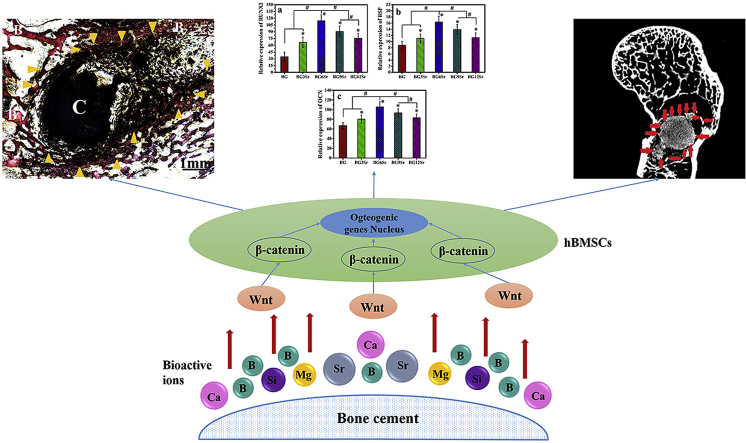
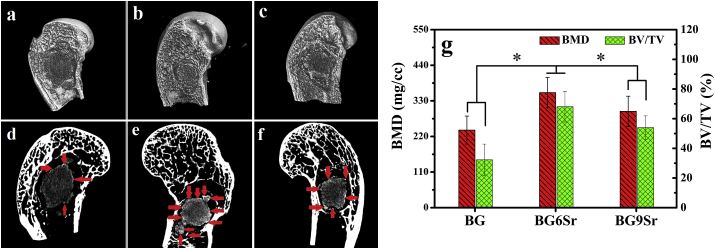
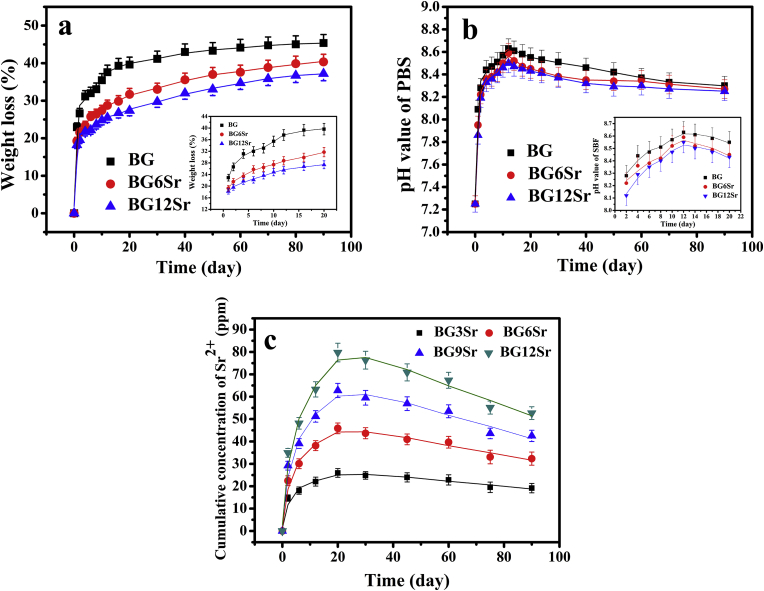
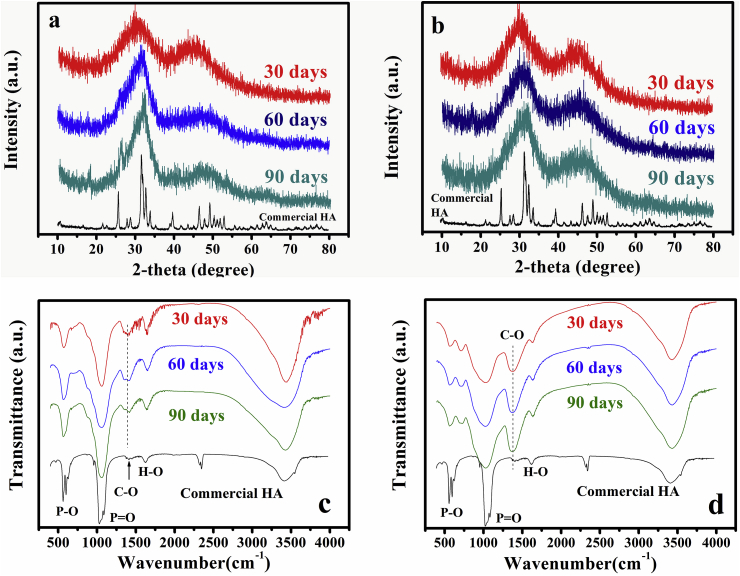
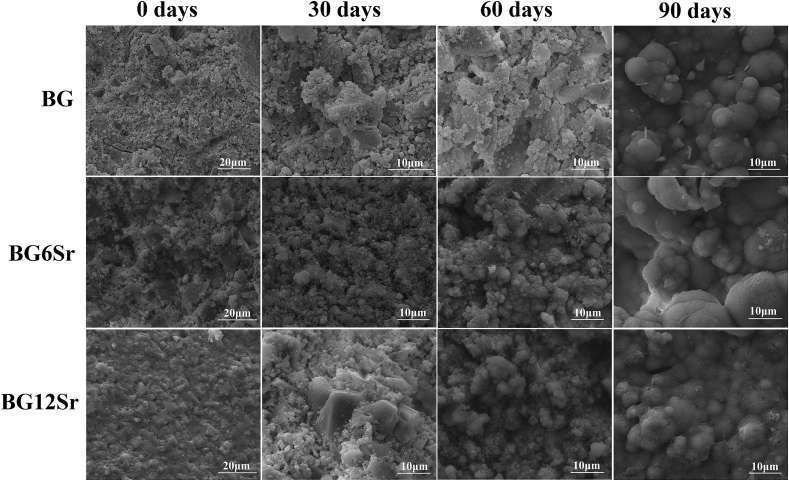
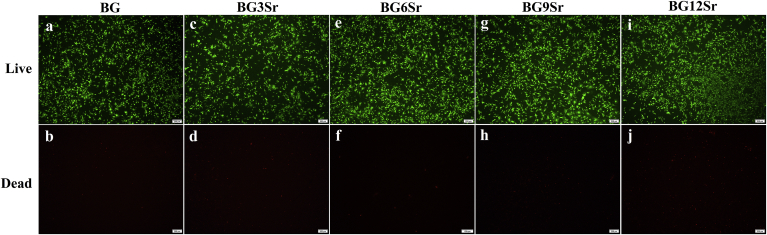
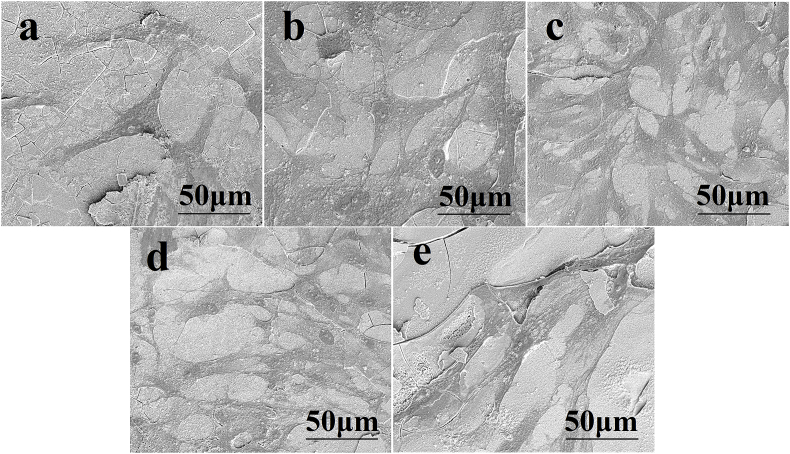
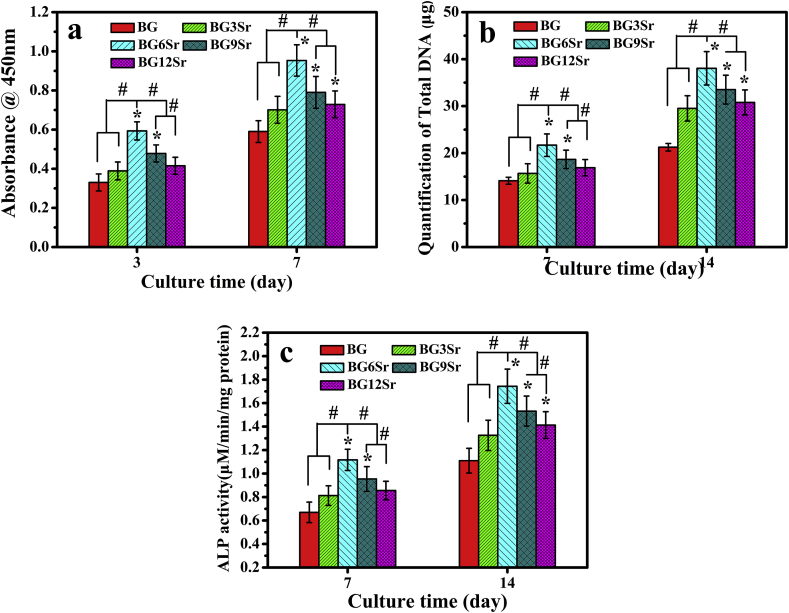
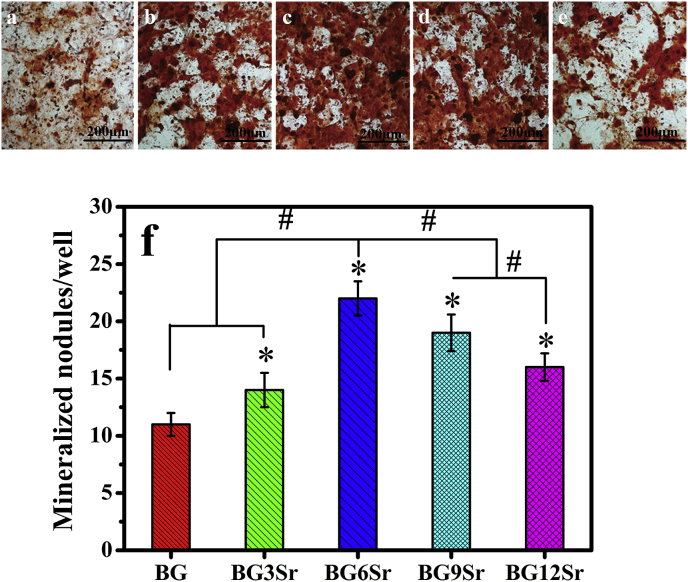
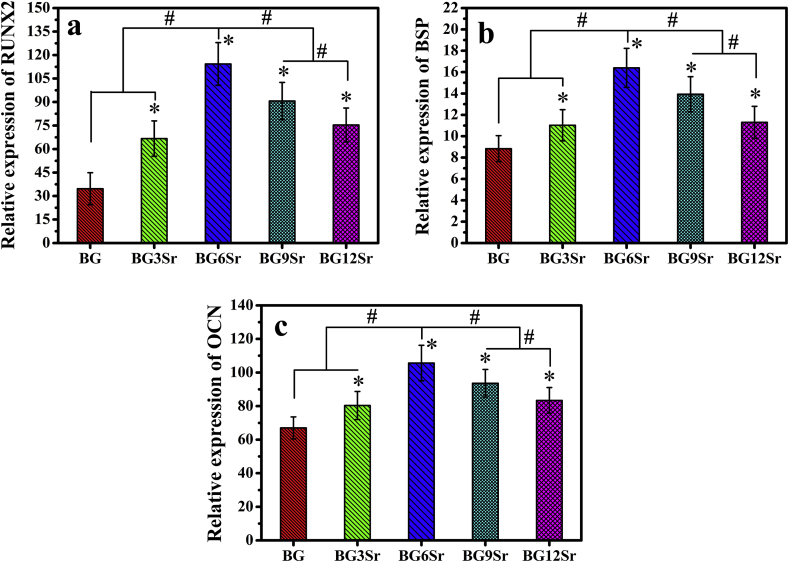
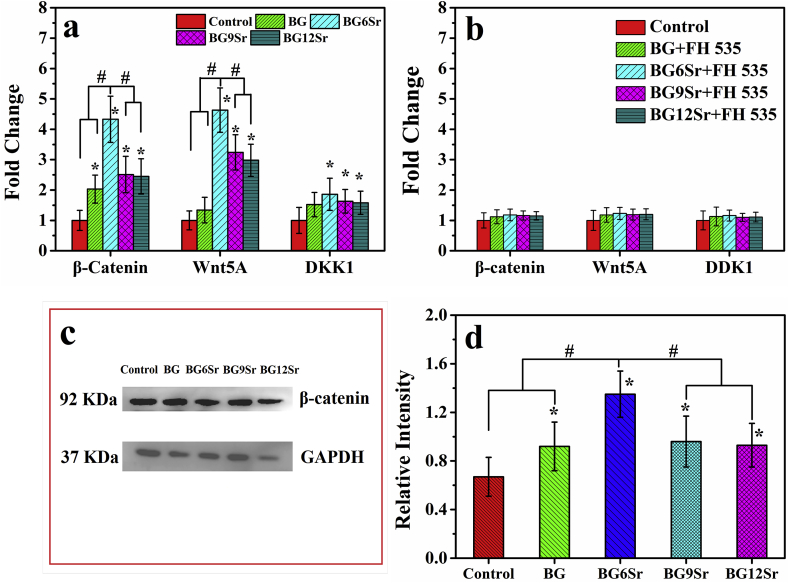
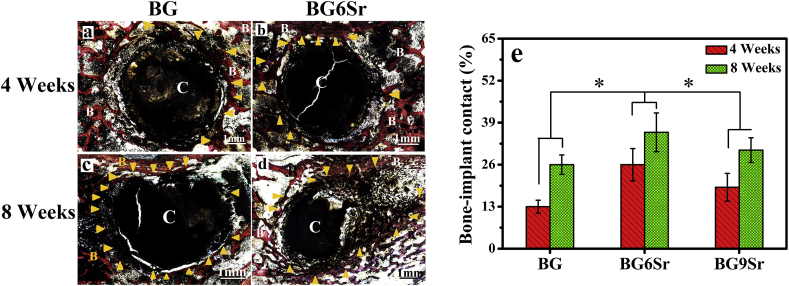
There is a need for synthetic grafts to reconstruct large bone defects using minimal invasive surgery. Our previous study showed that incorporation of Sr into bioactive borate glass cement enhanced the osteogenic capacity . However, the amount of Sr in the cement to provide an optimal combination of physicochemical properties and capacity to stimulate bone regeneration and the underlying molecular mechanism of this stimulation is yet to be determined. In this study, bone cements composed of bioactive borosilicate glass particles substituted with varying amounts of Sr (0 mol% to 12 mol% SrO) were created and evaluated and . The setting time of the cement increased with Sr substitution of the glass. Upon immersion in PBS, the cement degraded and converted more slowly to HA (hydroxyapatite) with increasing Sr substitution. The released Sr modulated the proliferation, differentiation, and mineralization of hBMSCs (human bone marrow mesenchymal stem cells) . Osteogenic characteristics were optimally enhanced with cement (designated BG6Sr) composed of particles substituted with 6mol% SrO. When implanted in rabbit femoral condyle defects, BG6Sr cement supported better peri-implant bone formation and bone-implant contact, comparing to cements substituted with 0mol% or 9mol% SrO. The underlying mechanism is involved in the activation of Wnt/β-catenin signaling pathway in osteogenic differentiation of hBMSCs. These results indicate that BG6Sr cement has a promising combination of physicochemical properties and biological performance for minimally invasive healing of bone defects.
需要使用微创手术来重建大的骨缺损的合成移植物。我们之前的研究表明,将锶掺入生物活性硼酸盐玻璃水泥中可增强成骨能力。然而,水泥中锶的含量以提供物理化学性质和刺激骨再生能力的最佳组合以及这种刺激的潜在分子机制尚未确定。在本研究中,制备并评估了由用不同量的锶(0摩尔%至12摩尔%SrO)替代的生物活性硼硅酸盐玻璃颗粒组成的骨水泥。随着玻璃中锶的替代,水泥的凝固时间增加。浸入PBS后,随着锶替代量的增加,水泥降解并更缓慢地转化为HA(羟基磷灰石)。释放的锶调节了hBMSC(人骨髓间充质干细胞)的增殖、分化和矿化。由用6mol%SrO替代的颗粒组成的水泥(称为BG6Sr)最佳地增强了成骨特性。当植入兔股骨髁缺损时,与用0mol%或9mol%SrO替代的水泥相比,BG6Sr水泥支持更好的植入物周围骨形成和骨-植入物接触。潜在机制涉及hBMSC成骨分化中Wnt/β-连环蛋白信号通路的激活。这些结果表明,BG6Sr水泥在物理化学性质和生物学性能方面具有良好的组合,可用于骨缺损的微创愈合。