Department of Cardiology I - Coronary and Peripheral Vascular Disease, Heart Failure, University Hospital Münster, Münster, Germany.
Clinic of Neurology with Institute of Translational Neurology, University Hospital Münster, Münster, Germany.
Front Immunol. 2020 Mar 10;11:353. doi: 10.3389/fimmu.2020.00353. eCollection 2020.
The concept of trained innate immunity describes a long-term proinflammatory memory in innate immune cells. Trained innate immunity is regulated through reprogramming of cellular metabolic pathways including cholesterol and fatty acid synthesis. Here, we have analyzed the role of Liver X Receptor (LXR), a key regulator of cholesterol and fatty acid homeostasis, in trained innate immunity.
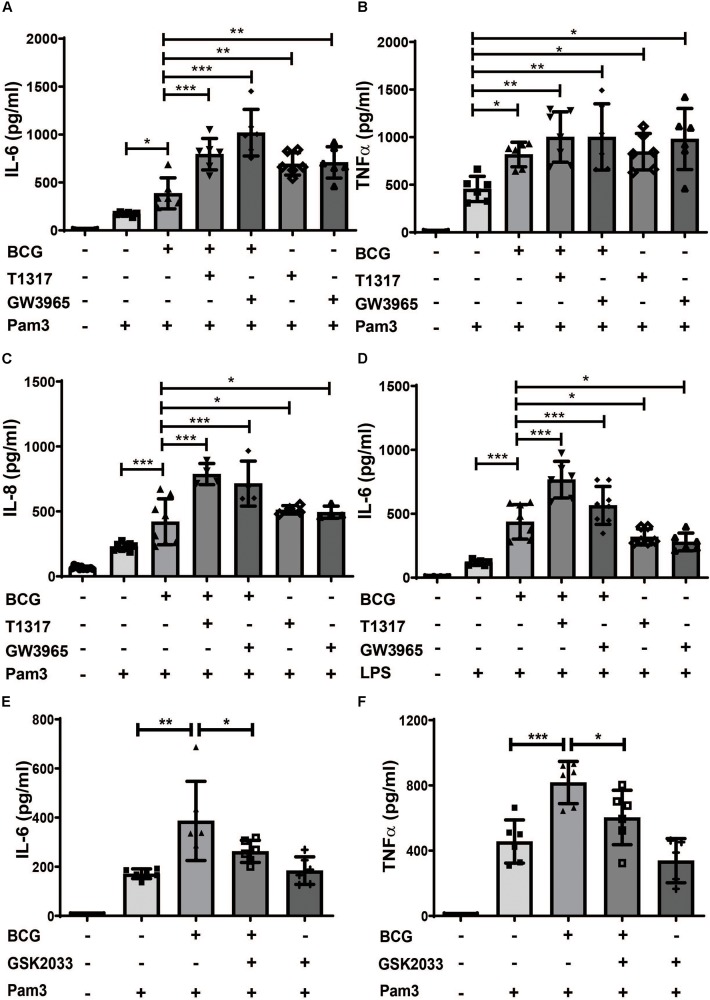
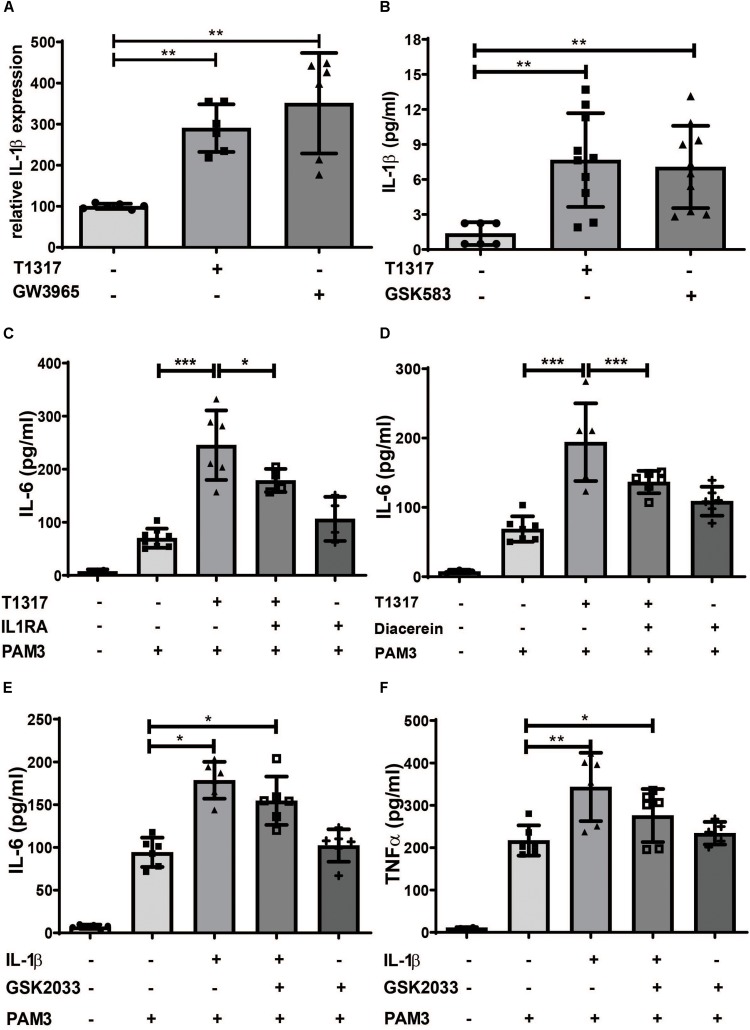
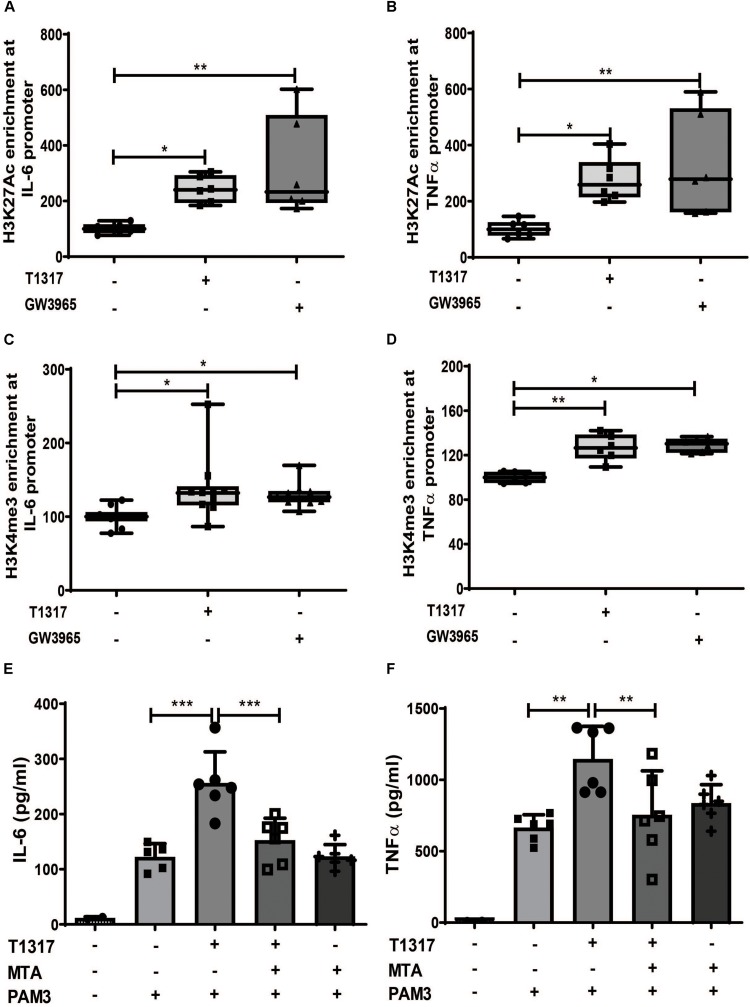
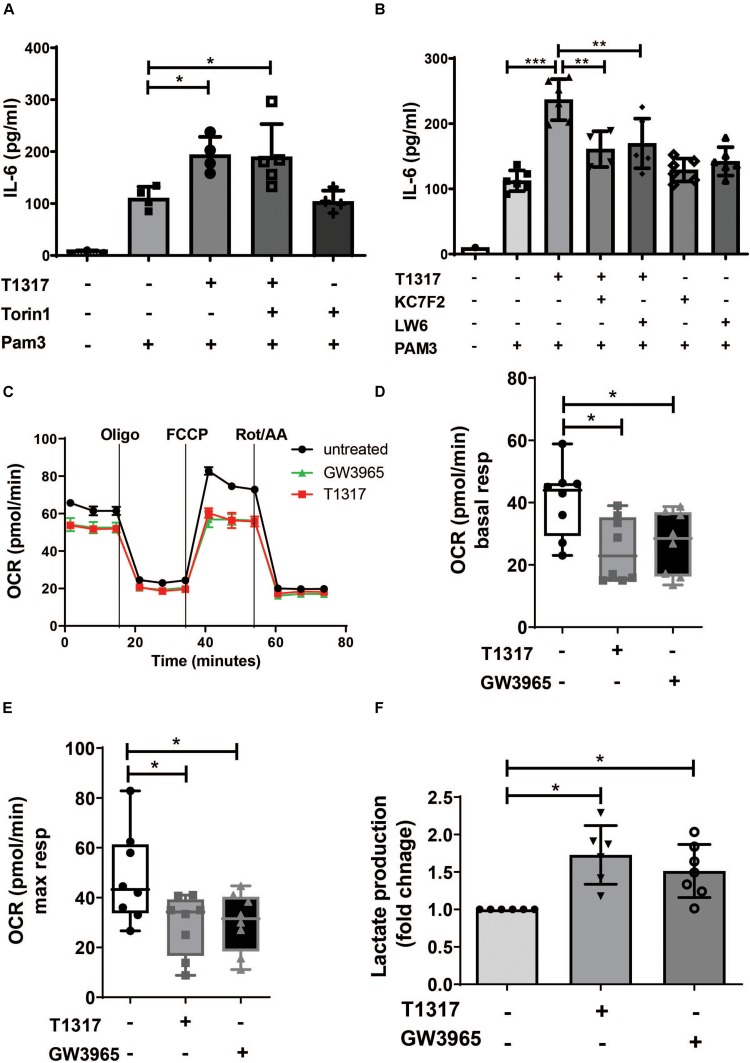
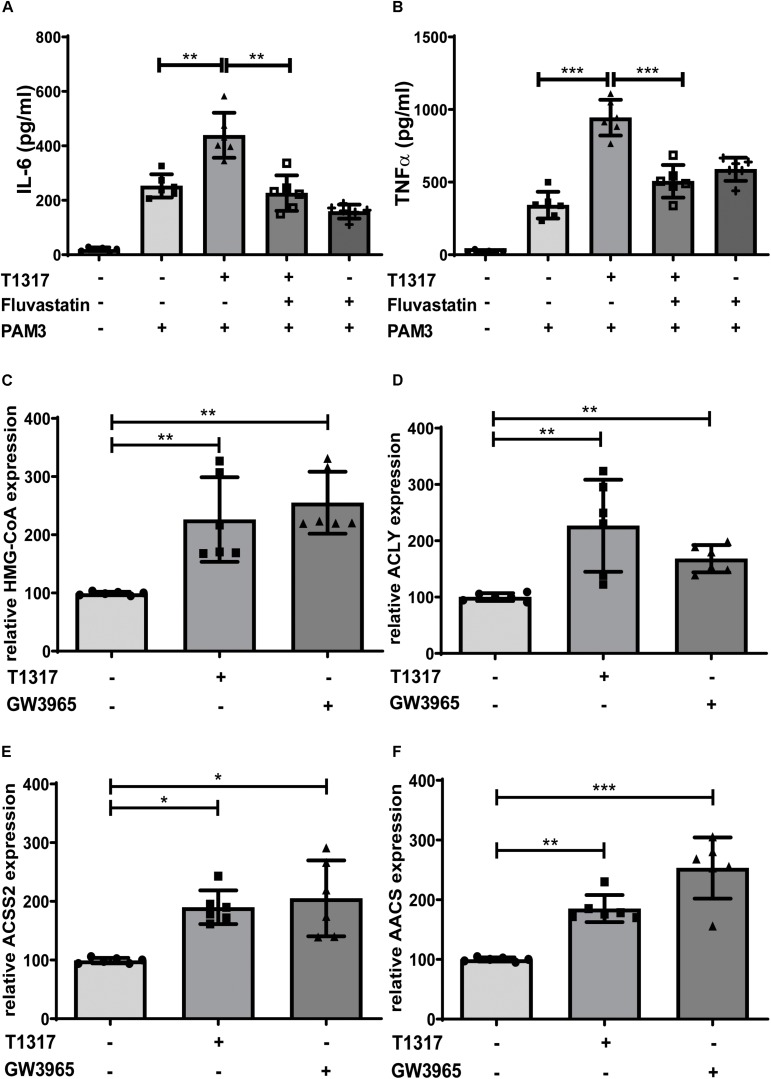
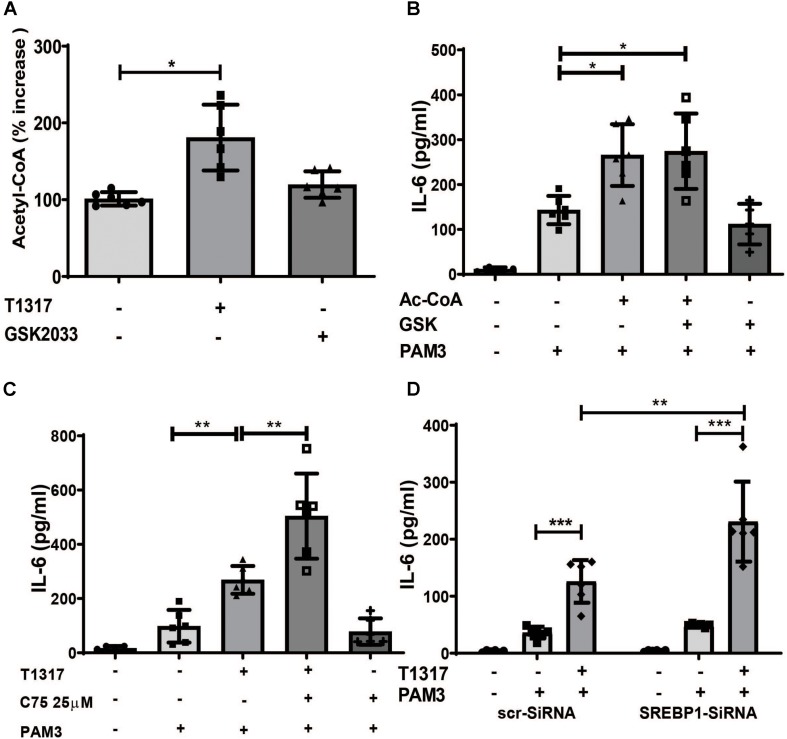
Human monocytes were isolated and incubated with different stimuli for 24 h, including LXR agonists, antagonists and Bacillus Calmette-Guerin (BCG) vaccine. After 5 days resting time, cells were restimulated with the TLR2-agonist Pam3cys. LXR activation did not only increase BCG trained immunity, but also induced a long-term inflammatory activation by itself. This inflammatory activation by LXR agonists was accompanied by characteristic features of trained innate immunity, such as activating histone marks on inflammatory gene promoters and metabolic reprogramming with increased lactate production and decreased oxygen consumption rate. Mechanistically, LXR priming increased cellular acetyl-CoA levels and was dependent on the activation of the mevalonate pathway and IL-1β signaling. In contrast to mevalonate pathway inhibition, blocking fatty acid synthesis further increased proinflammatory priming by LXR.
We demonstrate that LXR activation induces a proinflammatory trained immunity phenotype in human monocytes through epigenetic and metabolic reprogramming. Our data reveal important novel aspects of LXR signaling in innate immunity.
训练有素的先天免疫概念描述了先天免疫细胞中的长期促炎记忆。训练有素的先天免疫通过细胞代谢途径的重编程来调节,包括胆固醇和脂肪酸合成。在这里,我们分析了肝 X 受体 (LXR) 在训练有素的先天免疫中的作用,LXR 是胆固醇和脂肪酸动态平衡的关键调节剂。
分离并培养人单核细胞 24 小时,用不同的刺激物处理,包括 LXR 激动剂、拮抗剂和卡介苗(BCG)疫苗。休息 5 天后,用 TLR2 激动剂 Pam3cys 再次刺激细胞。LXR 激活不仅增加了 BCG 训练的免疫性,而且本身也诱导了长期的炎症激活。LXR 激动剂引起的这种炎症激活伴随着训练有素的先天免疫的特征性特征,例如在炎症基因启动子上激活组蛋白标记以及代谢重编程,导致乳酸产生增加和耗氧量降低。从机制上讲,LXR 引发增加了细胞乙酰辅酶 A 水平,并且依赖于甲羟戊酸途径和 IL-1β 信号的激活。与甲羟戊酸途径抑制相反,阻断脂肪酸合成进一步增加了 LXR 引起的促炎引发。
我们证明 LXR 激活通过表观遗传和代谢重编程诱导人单核细胞中的促炎训练有素的免疫表型。我们的数据揭示了 LXR 信号在先天免疫中的重要新方面。