Sun Huaiyu, Long Shengrong, Wu Bingbing, Liu Jia, Li Guangyu
Department of Neurosurgery, First Hospital of China Medical University, Shenyang, China.
PeerJ. 2020 Mar 16;8:e8787. doi: 10.7717/peerj.8787. eCollection 2020.
Gliomas are the most prevalent type of intracranial tumors. NKCC1 is an important regulator in tumor cell volume. We noticed that abnormally high NKCC1 expression resulted in changes in the shape and adhesion of glioma cells. However, little is known about the role of NKCC1 in the epithelial-mesenchymal transition (EMT) of gliomas. This study aims to clarify the biological function of NKCC1 in glioblastoma multiforme (GBM) progression.
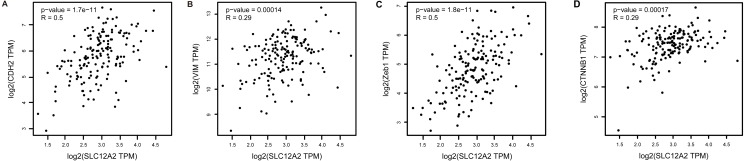
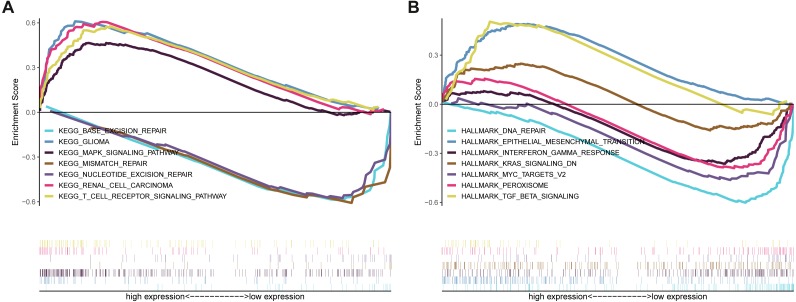
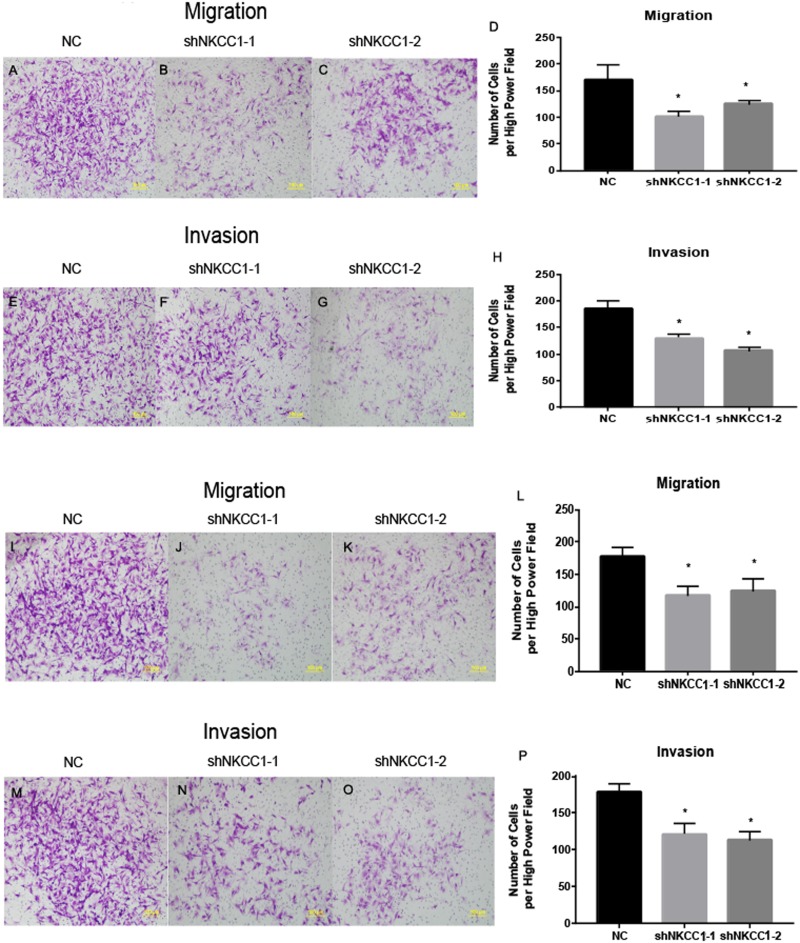
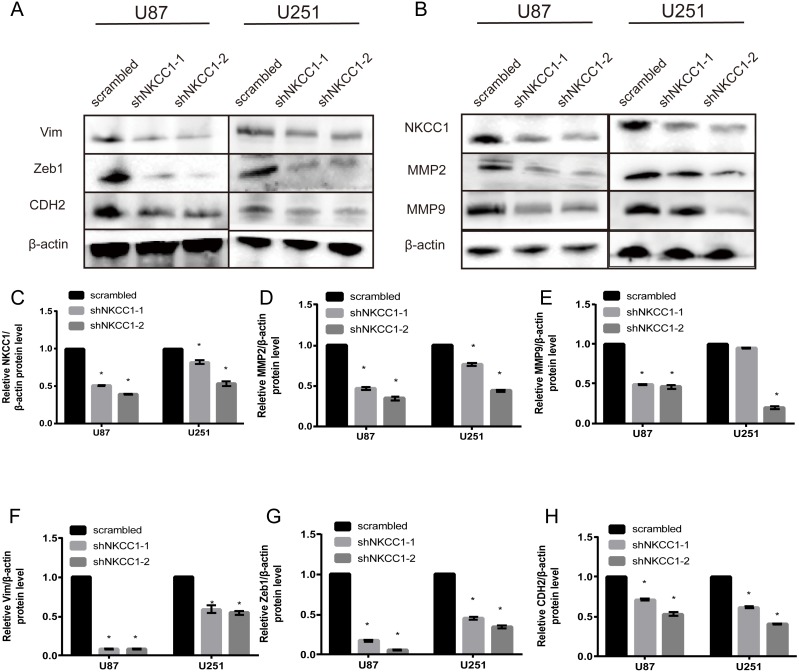
Using data from The Cancer Genome Atlas (TCGA), we performed a Kaplan-Meier analysis on NKCC1 expression levels to estimate the rate of survival of mesenchymal GBM patients. The correlation between NKCC1 and EMT-related proteins was analyzed from the Gene Expression Profiling Interactive Analysis (GEPIA) server. We conducted Gene Set Enrichment Analysis (GSEA) to verify molecular signatures and pathways. We then studied the expression of NKCC1 in grade I-IV glioma tissue samples collected from patients using immunohistochemistry (IHC). Finally, we evaluated the effects of NKCC1 migration and invasion on the cellular behaviors of U251 cells using the transwell assay and western blots.
High NKCC1 expression was associated with poor prognoses in mesenchymal GBM. Our results suggest a correlation between NKCC1 and EMT-protein markers: CDH2 and VIM. GSEA showed that gliomas, TGF-beta signaling and EMT were enriched in the NKCC1 high expression phenotype. Higher expression levels of NKCC1 in gliomas correlate with higher glioma grades. Transwell assay and western blot results demonstrated that the knockdown of NKCC1 led to a reduction in migration and invasion, while also inhibiting MMP-2 and MMP-9 expression in U251.
These results suggest that high expression of NKCC1 regulates EMT in gliomas, providing a new therapeutic strategy for addressing the spread of gliomas by inhibiting the spread of intracranial tumors.
胶质瘤是最常见的颅内肿瘤类型。NKCC1是肿瘤细胞体积的重要调节因子。我们注意到NKCC1异常高表达导致胶质瘤细胞形状和黏附发生变化。然而,关于NKCC1在胶质瘤上皮-间质转化(EMT)中的作用知之甚少。本研究旨在阐明NKCC1在多形性胶质母细胞瘤(GBM)进展中的生物学功能。
利用来自癌症基因组图谱(TCGA)的数据,我们对NKCC1表达水平进行了Kaplan-Meier分析,以估计间质性GBM患者的生存率。从基因表达谱交互式分析(GEPIA)服务器分析NKCC1与EMT相关蛋白之间的相关性。我们进行了基因集富集分析(GSEA)以验证分子特征和通路。然后,我们使用免疫组织化学(IHC)研究了从患者收集的I-IV级胶质瘤组织样本中NKCC1的表达。最后,我们使用Transwell实验和蛋白质免疫印迹法评估了NKCC1迁移和侵袭对U251细胞细胞行为的影响。
NKCC1高表达与间质性GBM的不良预后相关。我们的结果表明NKCC1与EMT蛋白标志物CDH2和VIM之间存在相关性。GSEA显示,胶质瘤、TGF-β信号传导和EMT在NKCC1高表达表型中富集。胶质瘤中NKCC1的较高表达水平与较高的胶质瘤分级相关。Transwell实验和蛋白质免疫印迹结果表明,敲低NKCC1导致迁移和侵袭减少,同时也抑制了U251中MMP-2和MMP-9的表达。
这些结果表明,NKCC1高表达调节胶质瘤中的EMT,为通过抑制颅内肿瘤扩散来解决胶质瘤扩散问题提供了一种新的治疗策略。