Yuan Xinxu, Bhat Owais M, Lohner Hannah, Zhang Yang, Li Pin-Lan
Department of Pharmacology and Toxicology, School of Medicine, Virginia Commonwealth University, Richmond, VA, United States.
Department of Pharmacological and Pharmaceutical Sciences, College of Pharmacy, University of Houston, Houston, TX, United States.
Front Cell Dev Biol. 2020 Mar 10;8:111. doi: 10.3389/fcell.2020.00111. eCollection 2020.
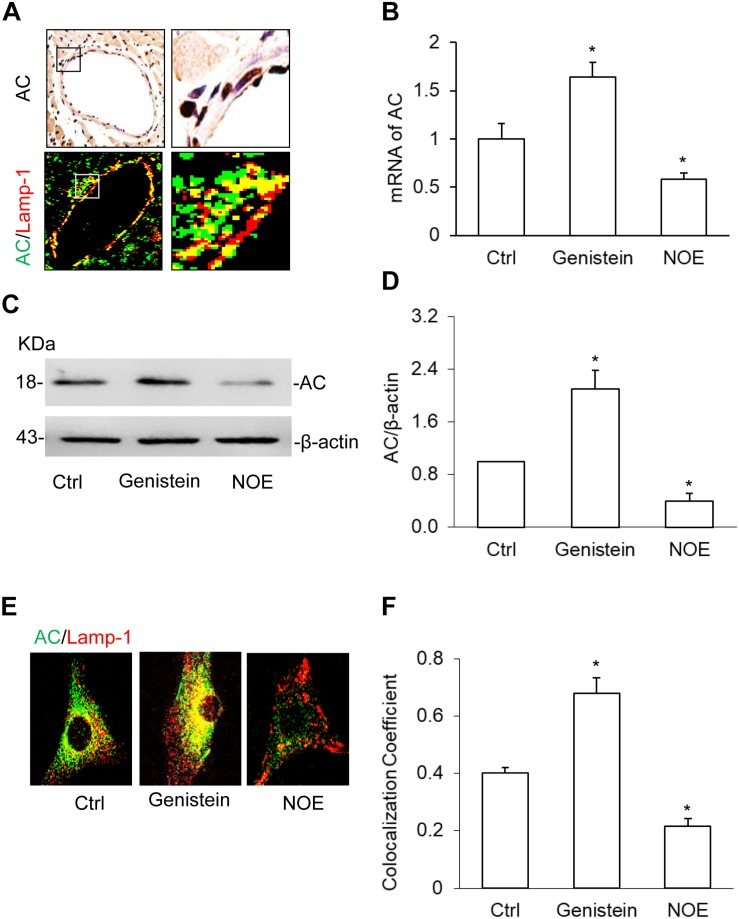
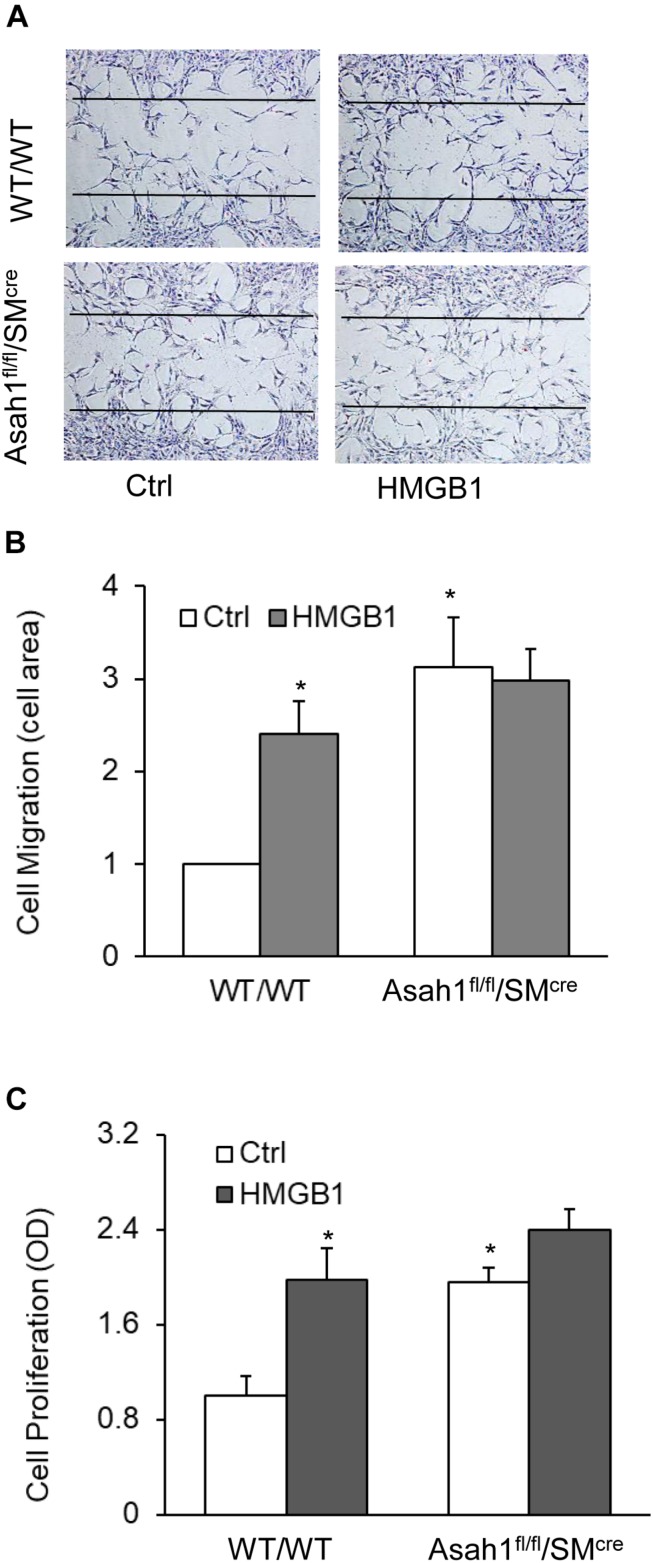
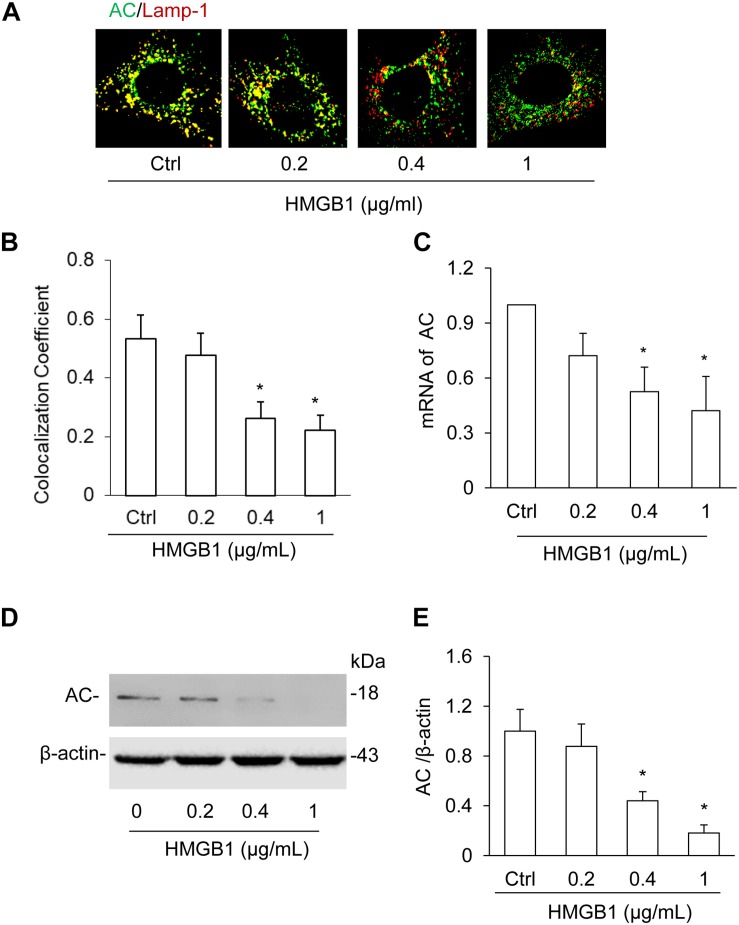
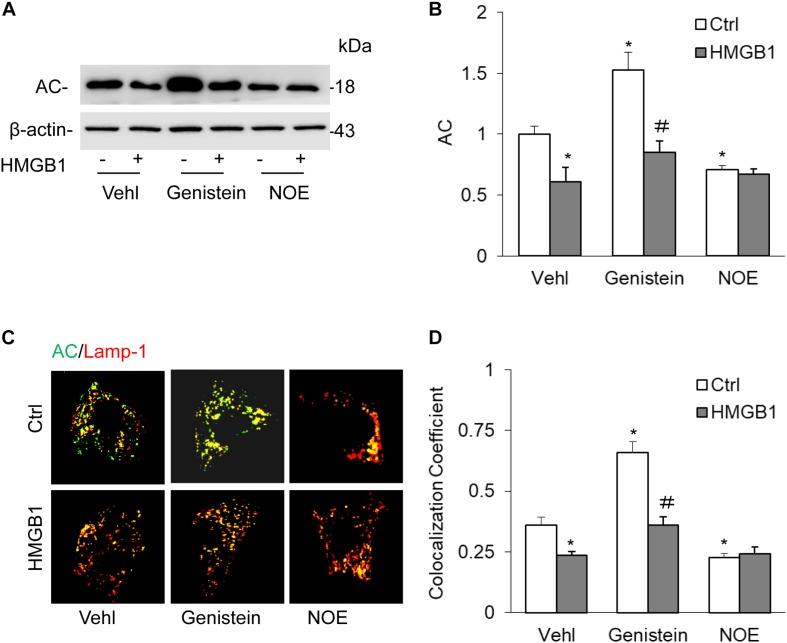
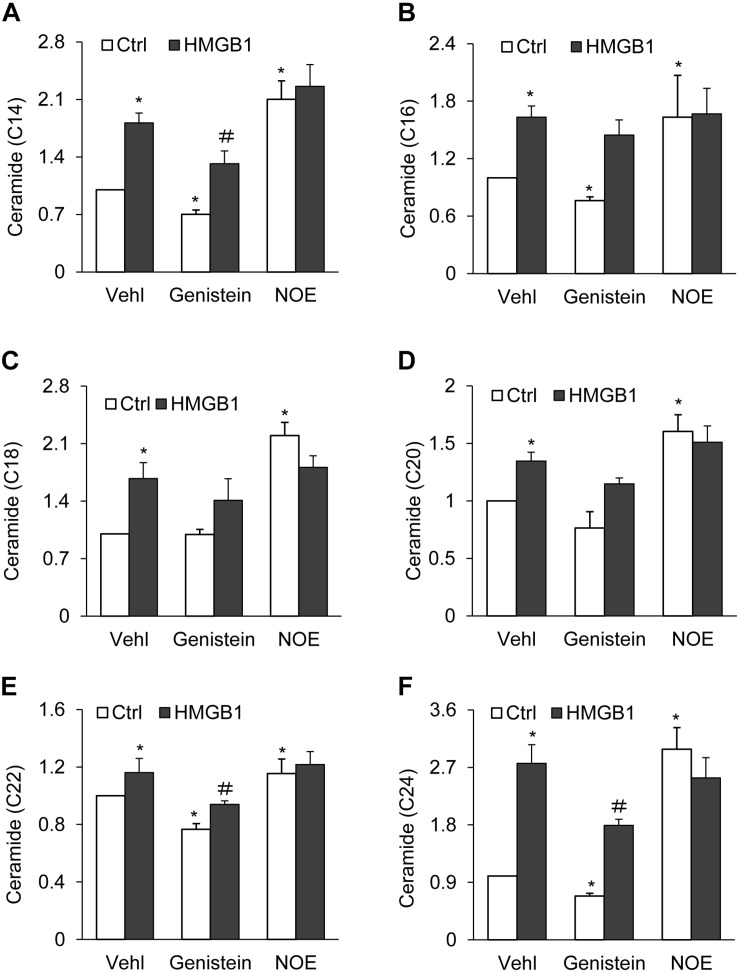
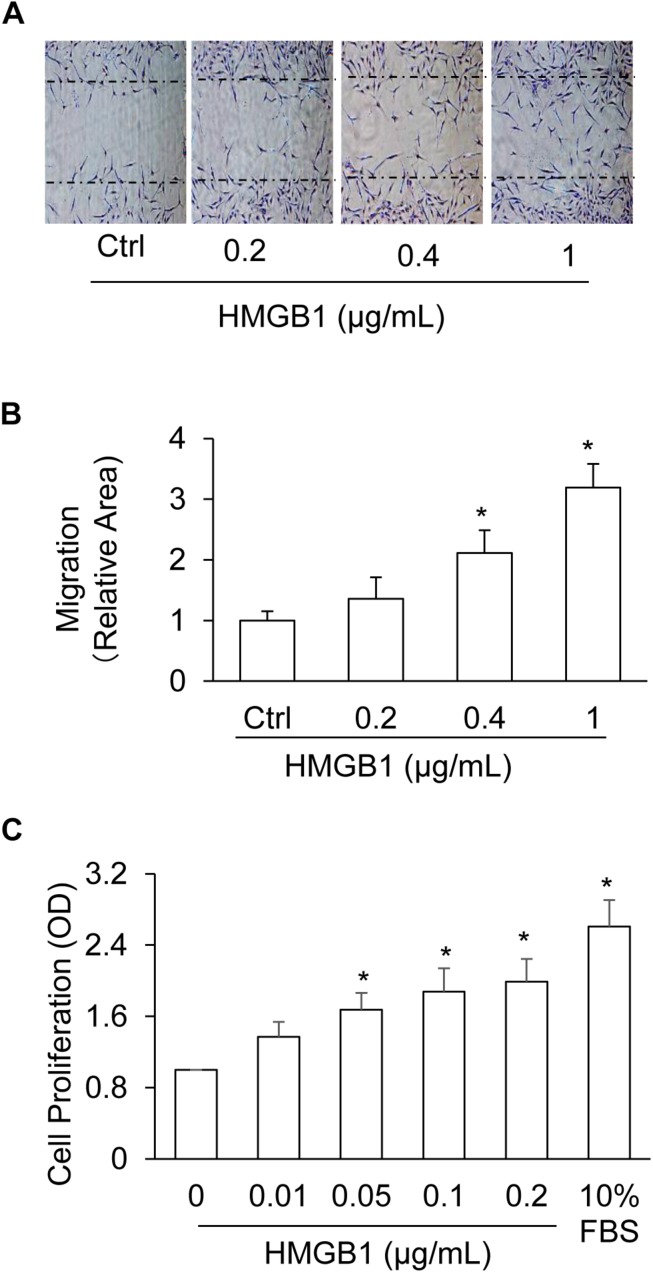
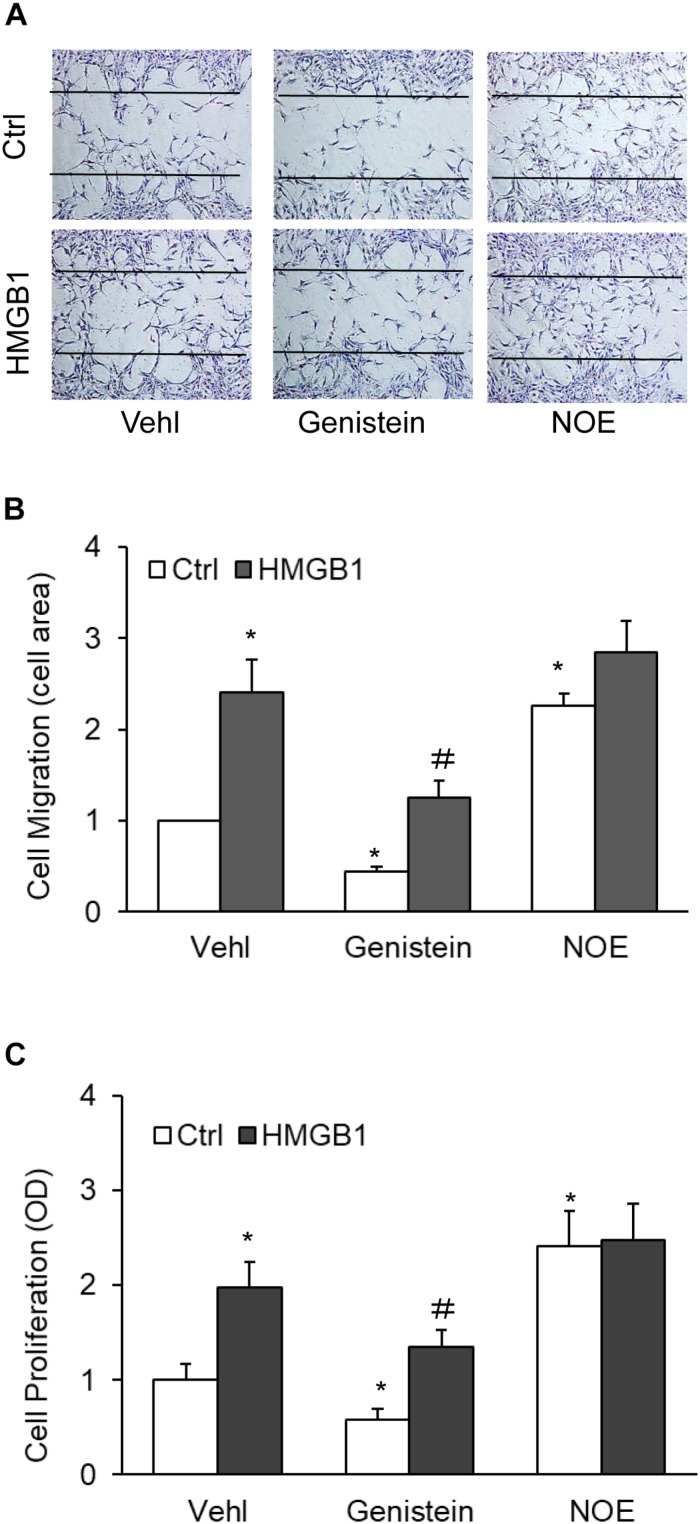
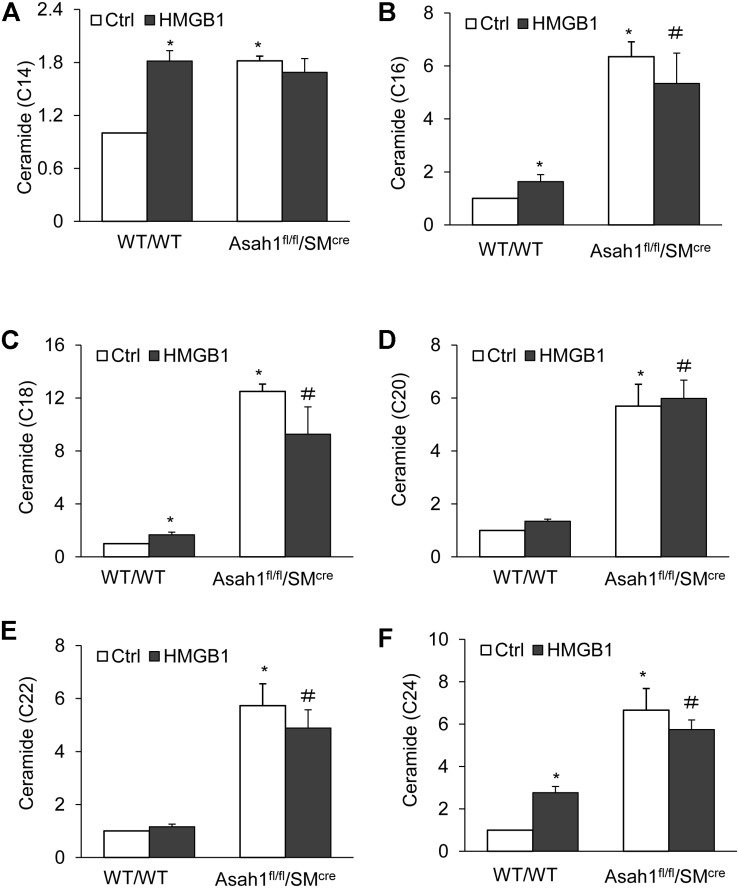
High-mobility group box 1 protein (HMGB1) has been reported to trigger lysosome destabilization causing a wide of inflammatory diseases. The present study tested whether a lysosomal enzyme, acid ceramidase (AC), plays a critical role in HMGB1-induced alteration in ceramide metabolism and whether such HMGB1-AC interaction is associated with abnormal migration and proliferation of vascular smooth muscle cells (SMCs). We first observed that the expression of AC in the medial layer of mouse coronary arterial wall and colocalization of AC with a lysosome marker Lamp-1. In primary cultured coronary arterial myocytes (CAMs), AC expression and colocalization with Lamp-1 were significantly up-regulated by AC inducer, genistein, but down-regulated by AC inhibitor, N-oleoylethanolamine (NOE). HMGB1 dose-dependently decreased the colocalization of AC with Lamp-1 and reduced mRNA and protein expressions of AC in CAMs, but reversed by genistein. Consistently, HMGB1 significantly induced increases in the levels of long-chain ceramides in CAMs, which were not further enhanced by NOE but blocked by genistein. More importantly, HMGB1 promoted migration and proliferation of CAMs, which were not further increased by NOE but reduced by genistein. Lastly, CAMs isolated from smooth muscle-specific AC knockout mice (AC gene ) exhibited increased ceramide levels and enhanced the migration and proliferation, which resembles the effects of HMGB1 on wild-type CAMs. Together, these results suggest that HMGB1 promotes SMC migration and proliferation via inhibition of AC expression and ceramide accumulation.
高迁移率族蛋白B1(HMGB1)已被报道可引发溶酶体不稳定,导致多种炎症性疾病。本研究测试了一种溶酶体酶——酸性神经酰胺酶(AC)在HMGB1诱导的神经酰胺代谢改变中是否起关键作用,以及这种HMGB1 - AC相互作用是否与血管平滑肌细胞(SMC)的异常迁移和增殖有关。我们首先观察到AC在小鼠冠状动脉壁中层的表达以及AC与溶酶体标志物Lamp - 1的共定位。在原代培养的冠状动脉心肌细胞(CAMs)中,AC诱导剂染料木黄酮显著上调了AC的表达及其与Lamp - 1的共定位,但AC抑制剂N - 油酰乙醇胺(NOE)则下调了它们。HMGB1剂量依赖性地降低了AC与Lamp - 1的共定位,并降低了CAMs中AC的mRNA和蛋白表达,但染料木黄酮可逆转这种作用。同样,HMGB1显著诱导了CAMs中长链神经酰胺水平的升高,NOE并未进一步增强这一作用,但染料木黄酮可阻断该作用。更重要的是,HMGB1促进了CAMs的迁移和增殖,NOE并未进一步增加这一作用,但染料木黄酮可降低该作用。最后,从平滑肌特异性AC基因敲除小鼠(AC基因)分离出的CAMs表现出神经酰胺水平升高,迁移和增殖增强,这类似于HMGB1对野生型CAMs的作用。总之,这些结果表明,HMGB1通过抑制AC表达和神经酰胺积累来促进SMC迁移和增殖。