Wang Bowen, Zhang Mengxue, Urabe Go, Huang Yitao, Chen Guojun, Wheeler Debra, Dornbos David J, Huttinger Allyson, Nimjee Shahid M, Gong Shaoqin, Guo Lian-Wang, Kent K Craig
Davis Heart and Lung Research Institute, The Ohio State University Wexner Medical Center, Columbus, Ohio.
Department of Surgery, College of Medicine, The Ohio State University, Columbus, Ohio.
JACC Basic Transl Sci. 2020 Feb 19;5(3):245-263. doi: 10.1016/j.jacbts.2019.12.005. eCollection 2020 Mar.
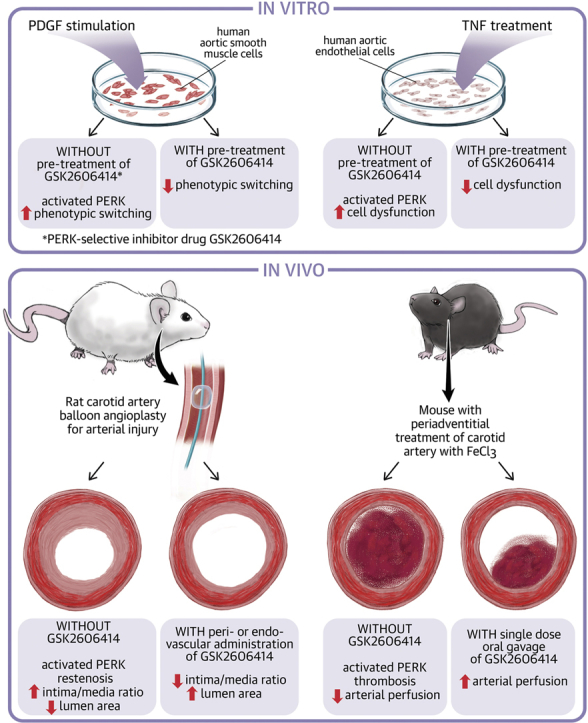
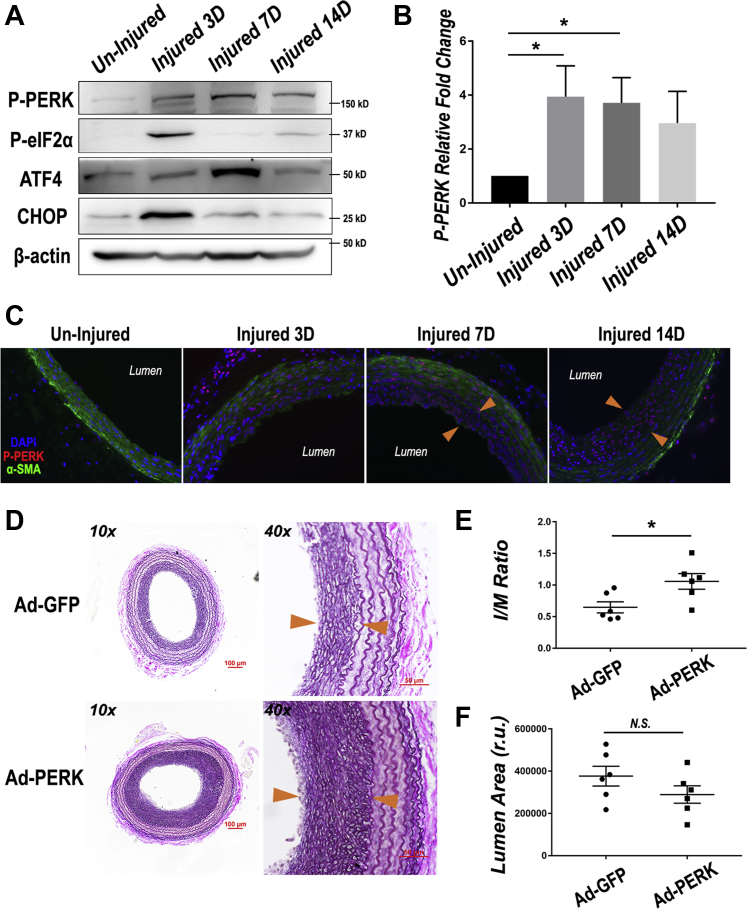
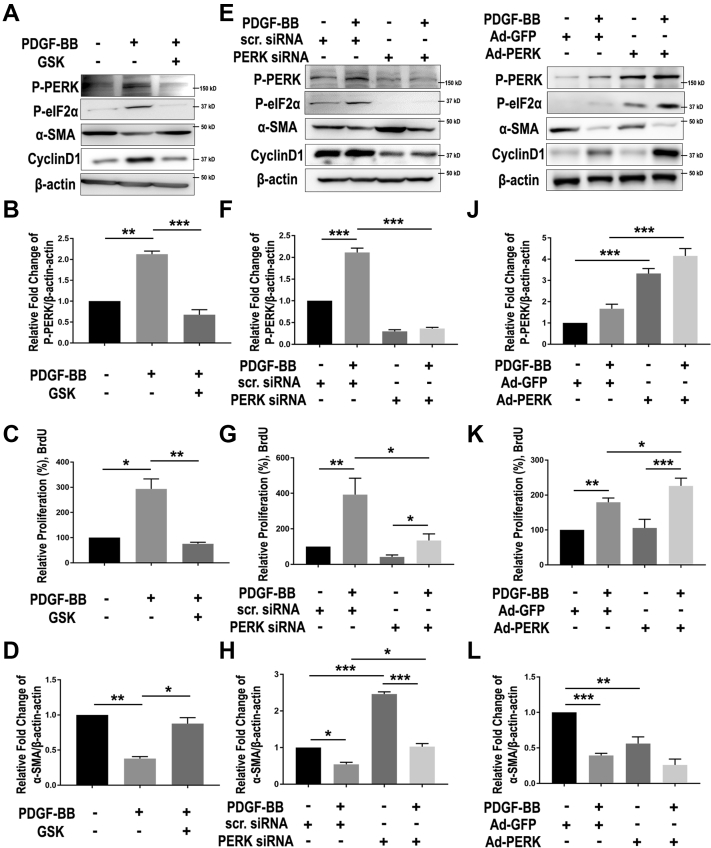
Developing endothelial-protective, nonthrombogenic antirestenotic treatments has been a challenge. A major hurdle to this has been the identification of a common molecular target in both smooth muscle cells and endothelial cells, inhibition of which blocks dysfunction of both cell types. The authors' findings suggest that the PERK kinase could be such a target. Importantly, PERK inhibition mitigated both restenosis and thrombosis in preclinical models, implicating a low-thrombogenic antirestenotic paradigm.
开发具有内皮保护作用、非血栓形成的抗再狭窄治疗方法一直是一项挑战。这方面的一个主要障碍是在平滑肌细胞和内皮细胞中鉴定出一个共同的分子靶点,抑制该靶点可阻断两种细胞类型的功能障碍。作者的研究结果表明,PERK激酶可能就是这样一个靶点。重要的是,在临床前模型中,抑制PERK可减轻再狭窄和血栓形成,这意味着一种低血栓形成的抗再狭窄模式。