Diaz-Dinamarca Diego A, Hernandez Carlos, Escobar Daniel F, Soto Daniel A, Muñoz Guillermo A, Badilla Jesús F, Manzo Ricardo A, Carrión Flavio, Kalergis Alexis M, Vasquez Abel E
Sección de Biotecnología, Instituto de Salud Pública de Chile, Santiago 780050, Chile.
Millennium Institute of Immunology and Immunotherapy, Departamento de Genética Molecular y Microbiología, Facultad de Ciencias Biológicas, Pontificia Universidad Católica de Chile, Santiago 8380453, Chile.
Vaccines (Basel). 2020 Mar 26;8(2):146. doi: 10.3390/vaccines8020146.
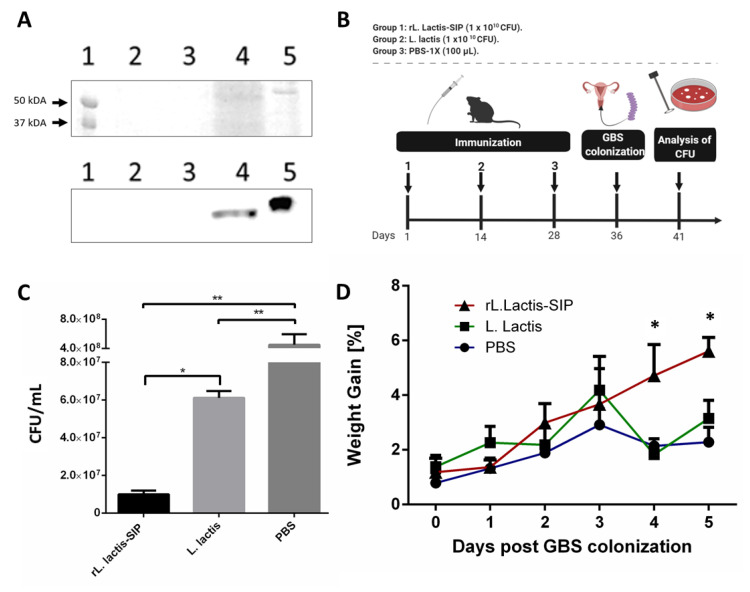
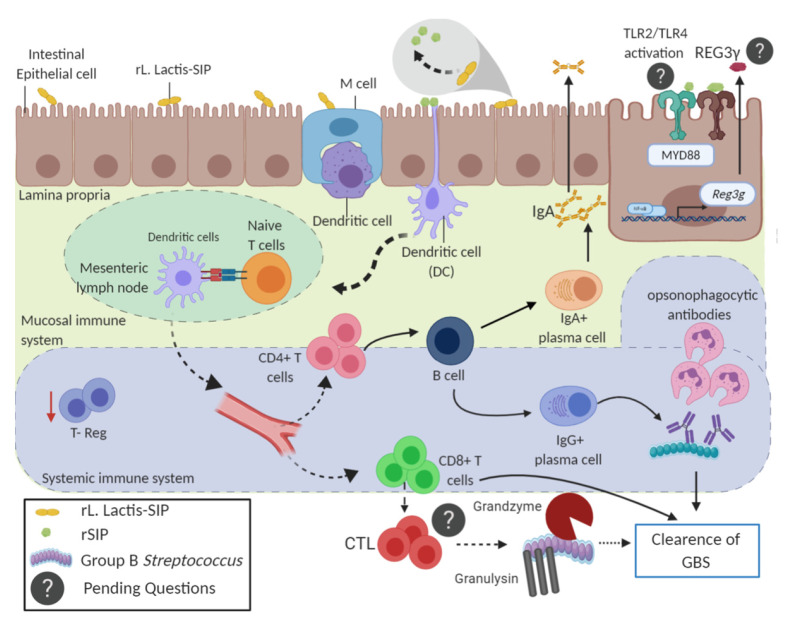
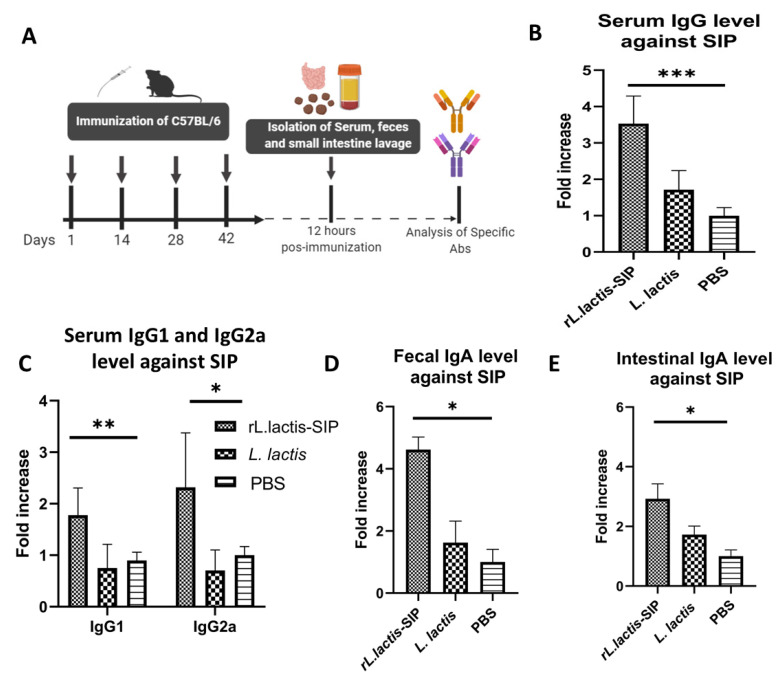
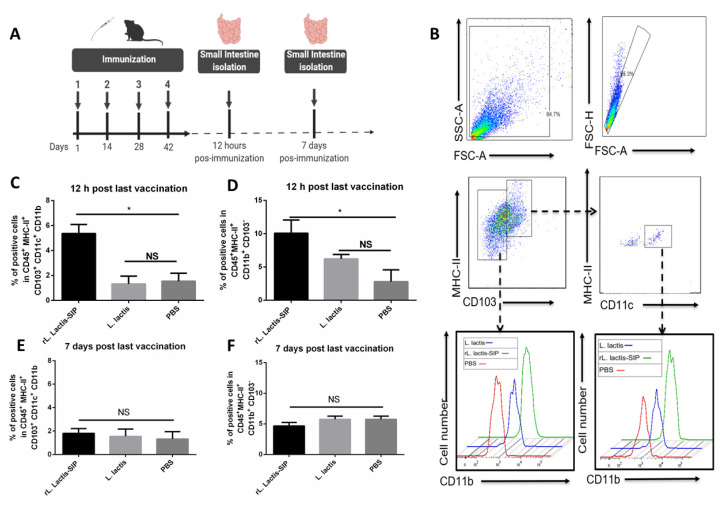
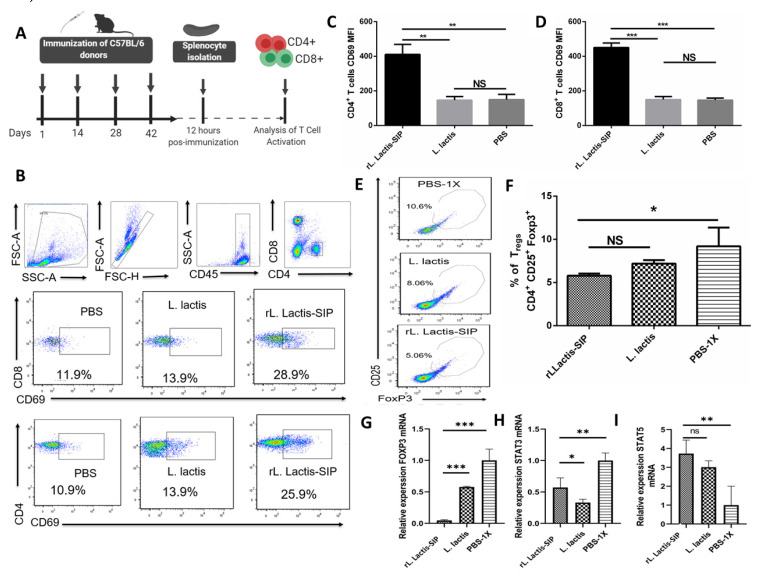
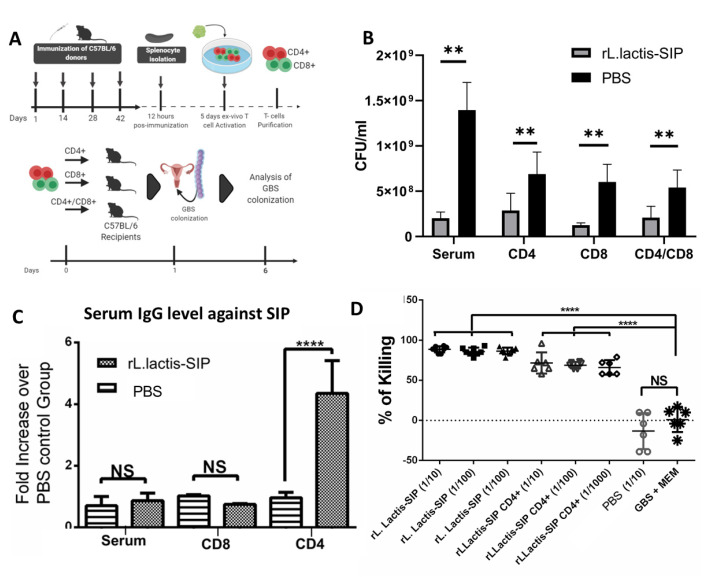
Group B (GBS) is the primary etiological agent of sepsis and meningitis in newborns and is associated with premature birth and stillbirth. The development of a licensed vaccine is one of the pending challenges for the World Health Organization. Previously, we showed that oral immunization with surface immune protein (SIP) decreases vaginal colonization of GBS and generates functional opsonizing antibodies, which was determined by opsonophagocytic assays (OPA) in vitro. We also showed that the protein has an adjuvant vaccine profile. Therefore, an oral vaccine based on SIP may be an attractive alternative to employ in the development of new vaccines against GBS. is a highlighted oral vaccine probiotic inducer of the mucosal immune response. This bacterium could serve as an antigen-delivering vehicle for the development of an edible vaccine and has been used in clinical trials. In this study, we showed that an oral vaccine with a recombinant strain secreting SIP from GBS (-SIP) can induce protective humoral and cellular immunity in an experimental model of GBS vaginal colonization in C57BL/6 mice. Mice immunized with SIP were protected against clinical symptoms and bacterial colonization after GBS vaginal colonization. Our SIP vaccine also induces an increase of immunoglobulin G (IgG) and immunoglobulin A (IgA) specifically against SIP. The adoptive transfer of serum from vaccinated mice to naïve mice generated protection against GBS vaginal colonization. Moreover, the -SIP strain induces the activation of SIP-specific T cells, which could decrease GBS vaginal colonization and generate protective antibodies when transferred to other mice. Our experimental observations strongly support the notion that -SIP induces protective humoral and cellular immunity and could be considered as a novel alternative in the development of vaccines for GBS.
B组链球菌(GBS)是新生儿败血症和脑膜炎的主要病原体,与早产和死产有关。开发一种获得许可的疫苗是世界卫生组织面临的悬而未决的挑战之一。此前,我们发现用表面免疫蛋白(SIP)进行口服免疫可减少GBS在阴道的定植,并产生功能性调理抗体,这是通过体外调理吞噬试验(OPA)确定的。我们还表明该蛋白具有佐剂疫苗特性。因此,基于SIP的口服疫苗可能是开发抗GBS新疫苗的一个有吸引力的选择。是黏膜免疫反应的一种突出的口服疫苗益生菌诱导剂。这种细菌可作为开发可食用疫苗的抗原递送载体,并已用于临床试验。在本研究中,我们表明,一种分泌来自GBS的SIP的重组菌株(-SIP)口服疫苗可在C57BL/6小鼠GBS阴道定植的实验模型中诱导保护性体液免疫和细胞免疫。用SIP免疫的小鼠在GBS阴道定植后可预防临床症状和细菌定植。我们的SIP疫苗还可诱导针对SIP的免疫球蛋白G(IgG)和免疫球蛋白A(IgA)增加。将接种疫苗小鼠的血清过继转移至未免疫小鼠可产生针对GBS阴道定植的保护作用。此外,-SIP菌株可诱导SIP特异性T细胞活化,当转移至其他小鼠时,可减少GBS阴道定植并产生保护性抗体。我们的实验观察结果有力地支持了-SIP诱导保护性体液免疫和细胞免疫的观点,并且可被视为开发GBS疫苗的一种新选择。