Kibleur Astrid, David Olivier
University Grenoble Alpes, Grenoble Institut des Neurosciences, GIN, 38000 Grenoble, France.
2Inserm, U1216, 38000 Grenoble, France.
Bioelectron Med. 2018 Mar 15;4:2. doi: 10.1186/s42234-018-0003-x. eCollection 2018.
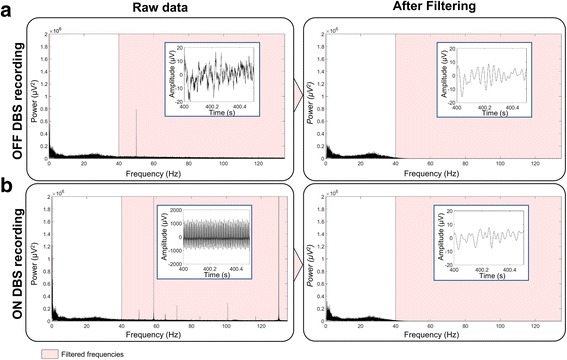
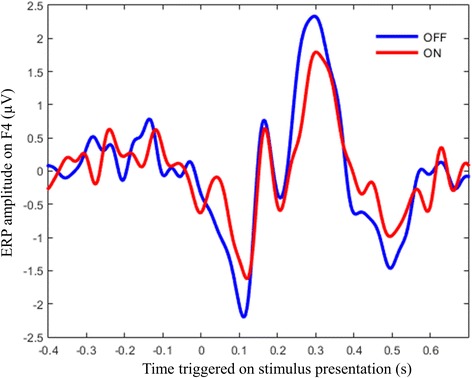
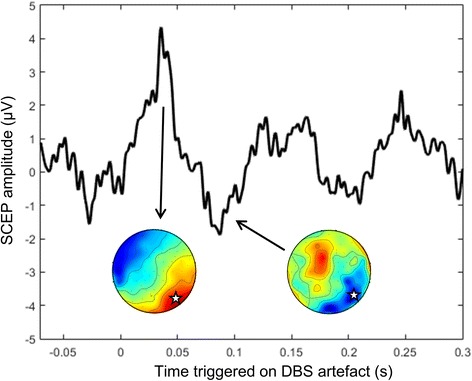
Deep brain stimulation (DBS), a reversible and adjustable treatment for neurological and psychiatric refractory disorders, consists in delivering electrical currents to neuronal populations located in subcortical structures. The targets of DBS are spatially restricted, but connect to many parts of the brain, including the cortex, which might explain the observed clinical benefits in terms of symptomatology. The DBS mechanisms of action at a large scale are however poorly understood, which has motivated several groups to recently conduct many research programs to monitor cortical responses to DBS. Here we review the knowledge gathered from the use of electroencephalography (EEG) in patients treated by DBS. We first focus on the methodology to record and process EEG signals concurrently to DBS. In the second part of the review, we address the clinical and scientific benefits brought by EEG/DBS studies so far.
深部脑刺激(DBS)是一种用于治疗神经和精神难治性疾病的可逆且可调节的治疗方法,其原理是向位于皮质下结构的神经元群体输送电流。DBS的靶点在空间上受到限制,但与大脑的许多部分相连,包括皮层,这可能解释了在症状学方面观察到的临床益处。然而,DBS大规模的作用机制尚不清楚,这促使多个研究团队最近开展了许多研究项目来监测皮层对DBS的反应。在此,我们回顾了从接受DBS治疗的患者使用脑电图(EEG)中所获得的知识。我们首先关注在进行DBS的同时记录和处理EEG信号的方法。在综述的第二部分,我们阐述了迄今为止EEG/DBS研究带来的临床和科学益处。