Stofkova Andrea, Murakami Masaaki
1Department of Physiology, Third Faculty of Medicine, Charles University, Prague, Czech Republic.
2Division of Molecular Psychoimmunology, Institute for Genetic Medicine, Hokkaido University, Kita-15, Nishi-7, Kita-ku, Sapporo, 060-0815 Japan.
Bioelectron Med. 2019 Aug 20;5:14. doi: 10.1186/s42234-019-0030-2. eCollection 2019.
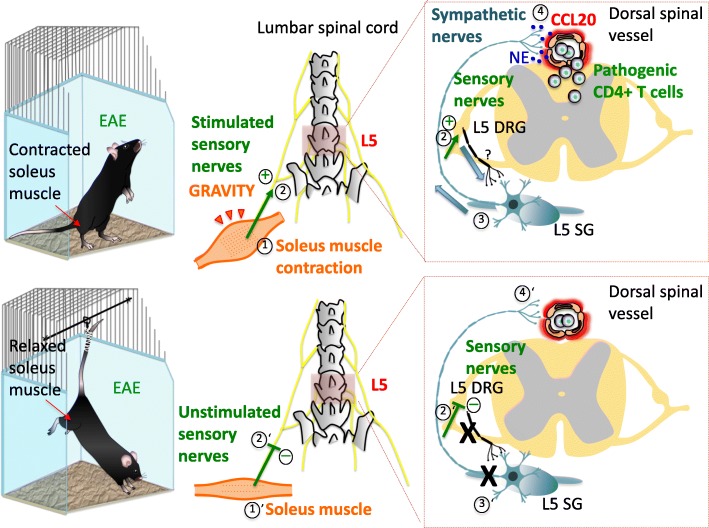
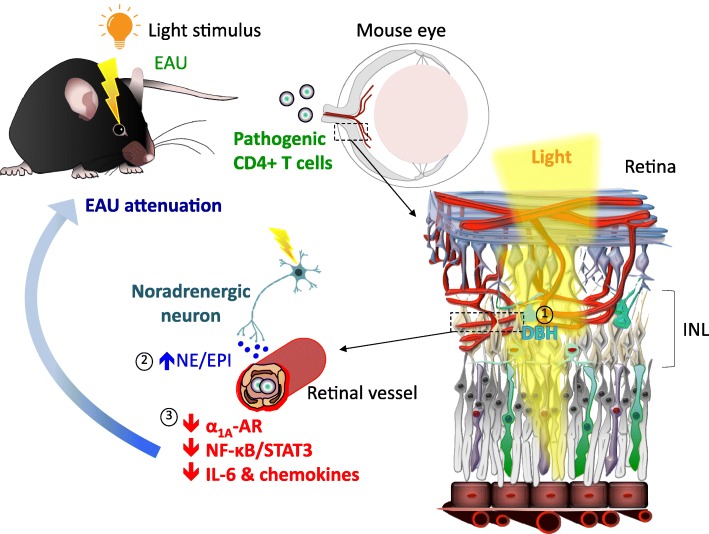
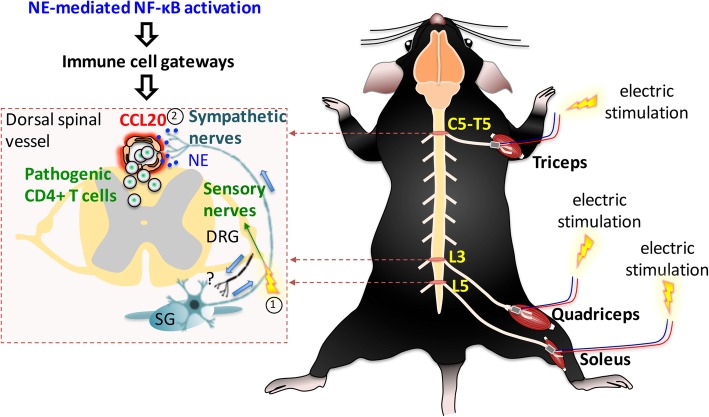
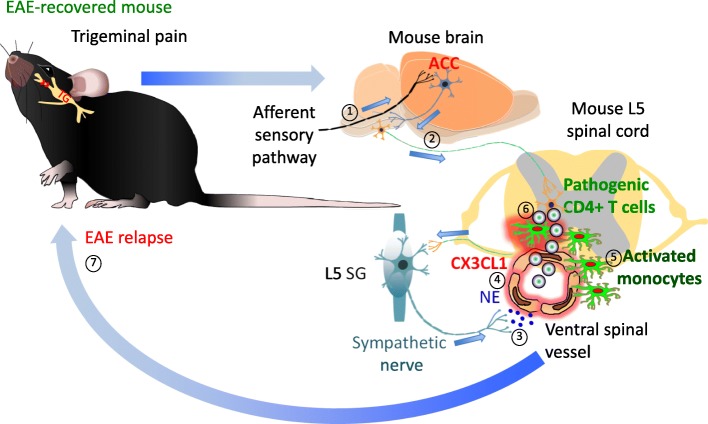
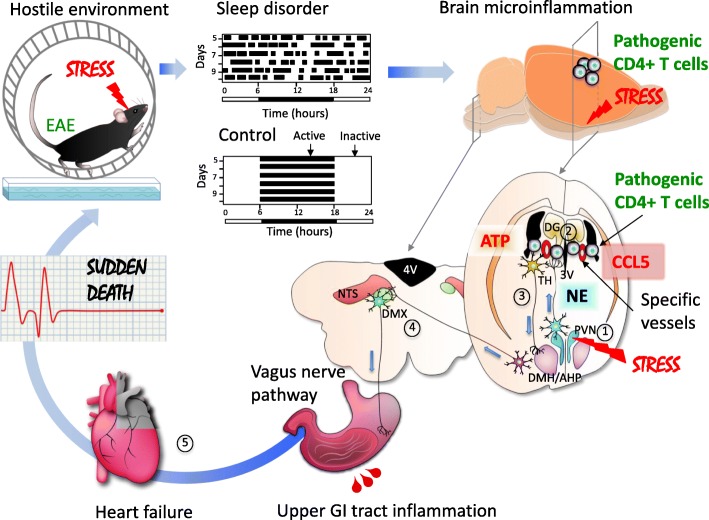
The brain, spinal cord and retina are protected from blood-borne compounds by the blood-brain barrier (BBB), blood-spinal cord barrier (BSCB) and blood-retina barrier (BRB) respectively, which create a physical interface that tightly controls molecular and cellular transport. The mechanical and functional integrity of these unique structures between blood vessels and nervous tissues is critical for maintaining organ homeostasis. To preserve the stability of these barriers, interplay between constituent barrier cells, such as vascular endothelial cells, pericytes, glial cells and neurons, is required. When any of these cells are defective, the barrier can fail, allowing blood-borne compounds to encroach neural tissues and cause neuropathologies. Autoimmune diseases of the central nervous system (CNS) and retina are characterized by barrier disruption and the infiltration of activated immune cells. Here we review our recent findings on the role of neural activity in the regulation of these barriers at the vascular endothelial cell level in the promotion of or protection against the development of autoimmune diseases. We suggest nervous system reflexes, which we named gateway reflexes, are fundamentally involved in these diseases. Although their reflex arcs are not completely understood, we identified the activation of specific sensory neurons or receptor cells to which barrier endothelial cells respond as effectors that regulate gateways for immune cells to enter the nervous tissue. We explain this novel mechanism and describe its role in neuroinflammatory conditions, including models of multiple sclerosis and posterior autoimmune uveitis.
血脑屏障(BBB)、血脊髓屏障(BSCB)和血视网膜屏障(BRB)分别保护大脑、脊髓和视网膜免受血源化合物的侵害,它们形成了一个物理界面,严格控制分子和细胞的运输。血管与神经组织之间这些独特结构的机械和功能完整性对于维持器官内环境稳定至关重要。为了保持这些屏障的稳定性,组成屏障的细胞之间,如血管内皮细胞、周细胞、神经胶质细胞和神经元之间需要相互作用。当这些细胞中的任何一个出现缺陷时,屏障就会失效,使血源化合物侵入神经组织并导致神经病理学变化。中枢神经系统(CNS)和视网膜的自身免疫性疾病的特征是屏障破坏和活化免疫细胞的浸润。在此,我们综述了我们最近关于神经活动在血管内皮细胞水平上对这些屏障的调节作用的研究发现,该调节作用促进或预防自身免疫性疾病的发展。我们认为神经系统反射,我们将其命名为网关反射,从根本上参与了这些疾病。尽管它们的反射弧尚未完全了解,但我们确定了特定感觉神经元或受体细胞的激活,屏障内皮细胞作为效应器对其作出反应,从而调节免疫细胞进入神经组织的通道。我们解释了这一新机制,并描述了其在神经炎症性疾病中的作用,包括多发性硬化症和后部自身免疫性葡萄膜炎模型。