Leicester School of Pharmacy, De Montfort University, The Gateway, Leicester LE1 9BH, UK.
Nutrients. 2020 Apr 1;12(4):974. doi: 10.3390/nu12040974.
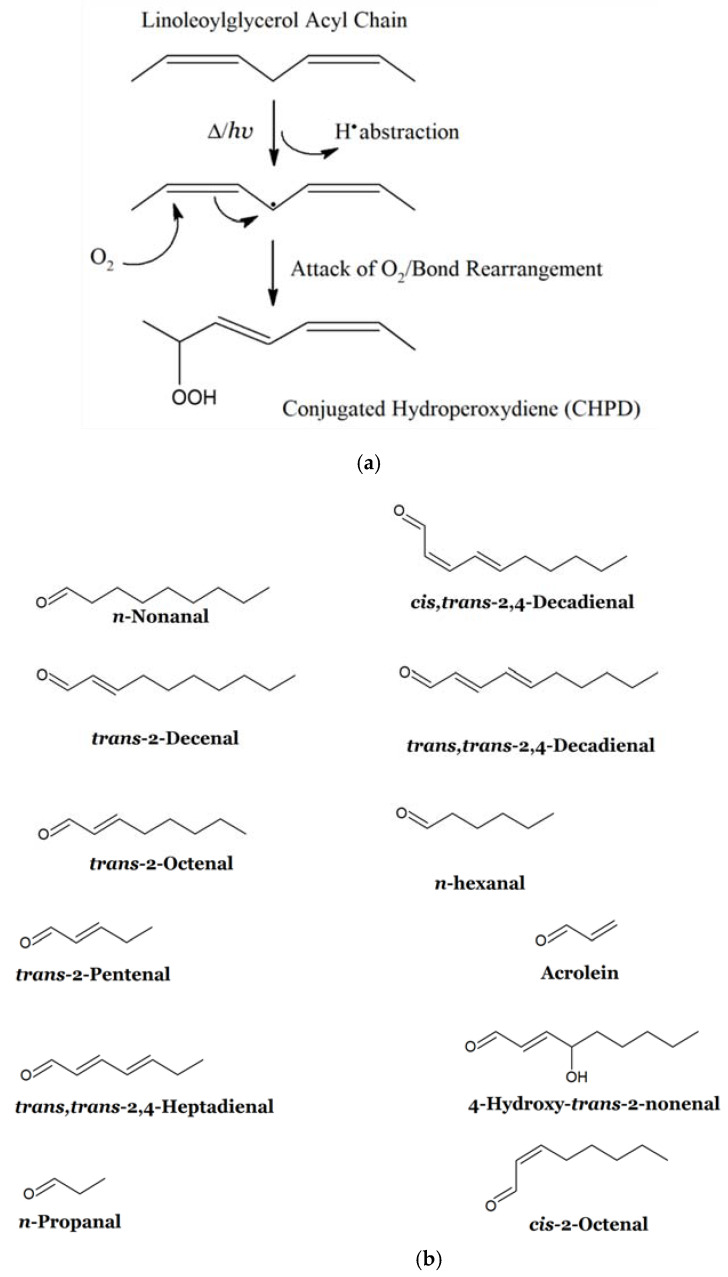
Exposure of polyunsaturated fatty acid (PUFA)-rich culinary oils (COs) to high temperature frying practices generates high concentrations of cytotoxic and genotoxic lipid oxidation products (LOPs) via oxygen-fueled, recycling peroxidative bursts. These toxins, including aldehydes and epoxy-fatty acids, readily penetrate into fried foods and hence are available for human consumption; therefore, they may pose substantial health hazards. Although previous reports have claimed health benefits offered by the use of PUFA-laden COs for frying purposes, these may be erroneous in view of their failure to consider the negating adverse public health threats presented by food-transferable LOPs therein. When absorbed from the gastrointestinal (GI) system into the systemic circulation, such LOPs may significantly contribute to enhanced risks of chronic non-communicable diseases (NCDs), e.g. cancer, along with cardiovascular and neurological diseases. Herein, we provide a comprehensive rationale relating to the public health threats posed by the dietary ingestion of LOPs in fried foods. We begin with an introduction to sequential lipid peroxidation processes, describing the noxious effects of LOP toxins generated therefrom. We continue to discuss GI system interactions, the metabolism and biotransformation of primary lipid hydroperoxide LOPs and their secondary products, and the toxicological properties of these agents, prior to providing a narrative on chemically-reactive, secondary aldehydic LOPs available for human ingestion. In view of a range of previous studies focused on their deleterious health effects in animal and cellular model systems, some emphasis is placed on the physiological fate of the more prevalent and toxic α,β-unsaturated aldehydes. We conclude with a description of targeted nutritional and interventional strategies, whilst highlighting the urgent and unmet clinical need for nutritional and epidemiological trials probing relationships between the incidence of NCDs, and the frequency and estimated quantities of dietary LOP intake.
富含多不饱和脂肪酸(PUFA)的烹饪油(CO)在高温油炸过程中会产生高浓度的细胞毒性和遗传毒性脂质氧化产物(LOP),这些产物通过氧气驱动、循环的过氧化爆发产生。这些毒素包括醛类和环氧化物脂肪酸,很容易渗透到油炸食品中,因此可供人类食用;因此,它们可能会对健康造成严重危害。尽管之前的报告声称使用富含多不饱和脂肪酸的 CO 进行油炸有健康益处,但考虑到它们没有考虑到其中可转移到食物中的 LOP 所带来的否定性公共健康威胁,这些说法可能是错误的。当从胃肠道(GI)系统吸收到全身循环中时,这些 LOP 可能会显著增加患慢性非传染性疾病(NCD)的风险,例如癌症,以及心血管和神经疾病。在此,我们提供了一个关于饮食中摄入 LOP 对油炸食品的公共健康威胁的综合理由。我们首先介绍了连续的脂质过氧化过程,描述了由此产生的 LOP 毒素的有害影响。我们继续讨论 GI 系统相互作用、初级脂质氢过氧化物 LOP 及其次级产物的代谢和生物转化,以及这些物质的毒理学特性,然后再叙述可供人类摄入的化学活性、次级醛类 LOP。鉴于一系列以前的研究集中在它们对动物和细胞模型系统的有害健康影响,我们重点介绍了更普遍和更有毒的α,β-不饱和醛的生理命运。最后,我们描述了有针对性的营养和干预策略,同时强调了进行营养和流行病学研究的迫切和未满足的临床需求,这些研究旨在探讨 NCD 的发病率与饮食中 LOP 摄入的频率和估计量之间的关系。