Division of Applied Life Science (BK 21), College of Natural Sciences, Gyeongsang National University, Jinju 52828, Korea.
Paul O'Gorman Leukaemia Research, Centre Institute of Cancer, Sciences University of Glasgow, 0747 657 5394 Glasgow, UK.
Cells. 2020 Apr 1;9(4):853. doi: 10.3390/cells9040853.
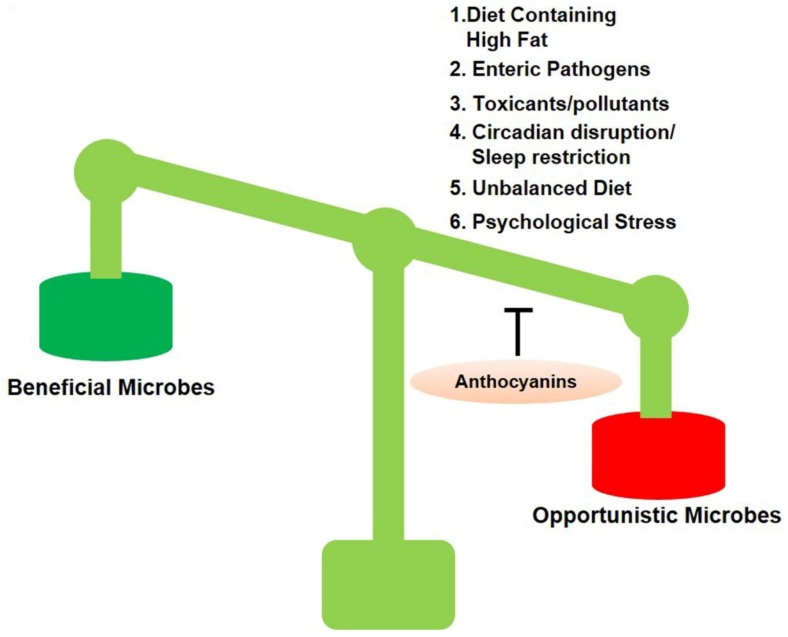
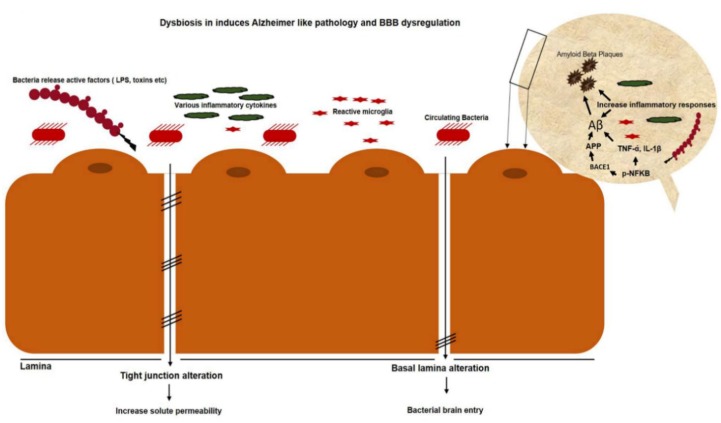
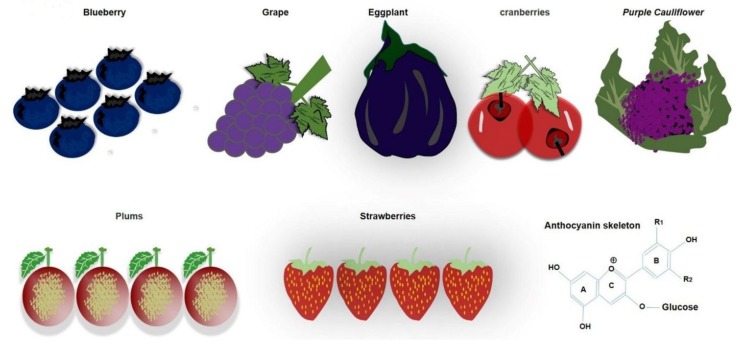
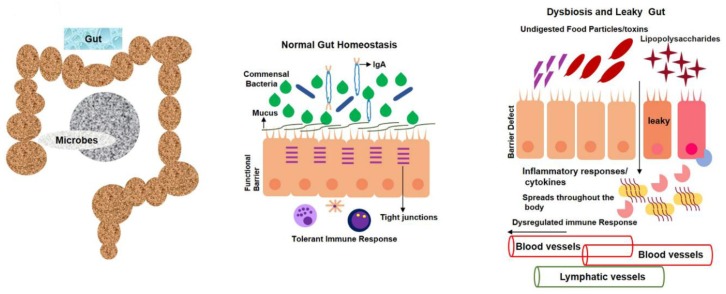
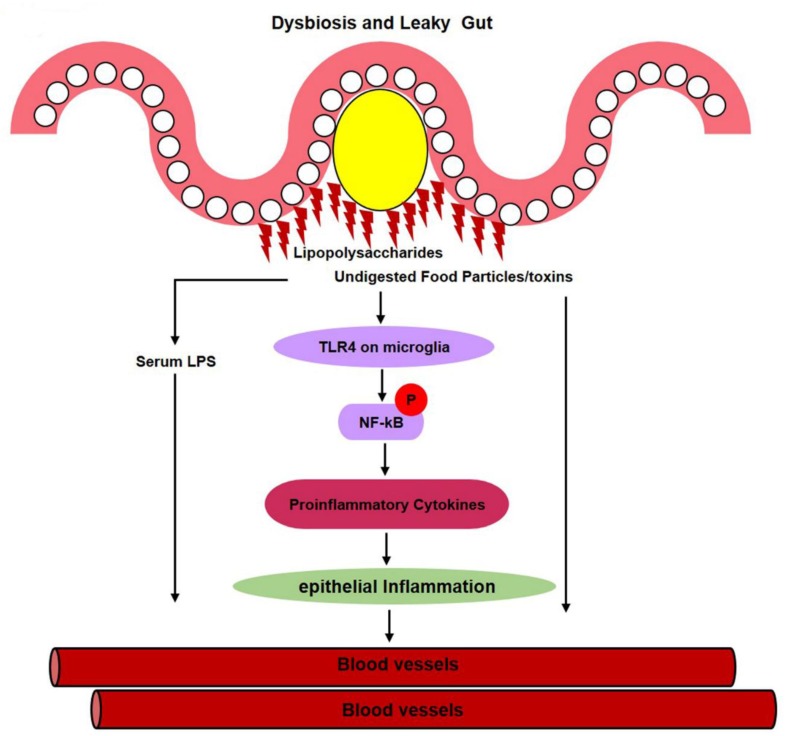
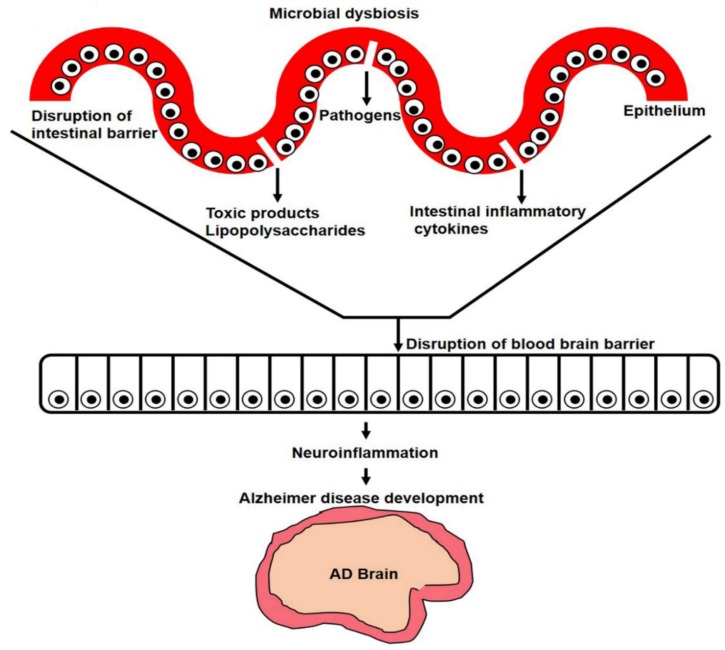
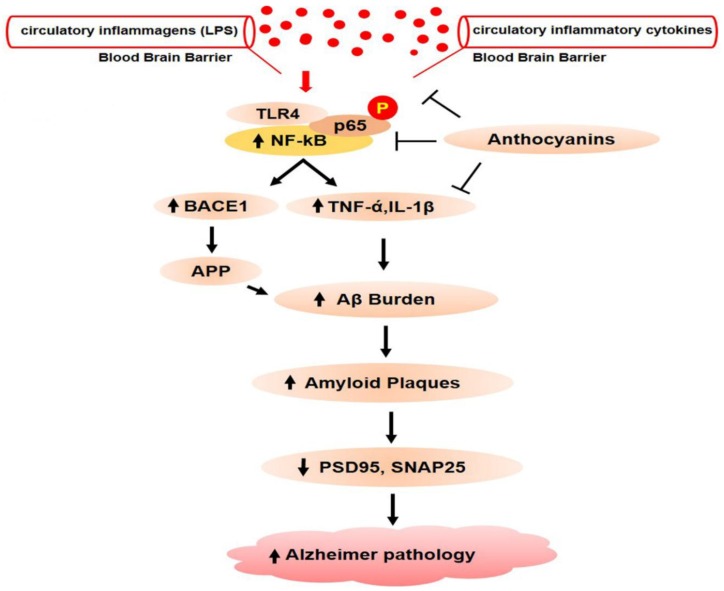
The human gut is a safe environment for several microbes that are symbiotic and important for the wellbeing of human health. However, studies on gut microbiota in different animals have suggested that changes in the composition and structure of these microbes may promote gut inflammation by releasing inflammatory cytokines and lipopolysaccharides, gut-wall leakage, and may affect systemic inflammatory and immune mechanisms that are important for the normal functioning of the body. There are many factors that aid in the gut's dysbiosis and neuroinflammation, including high stress levels, lack of sleep, fatty and processed foods, and the prolonged use of antibiotics. These neurotoxic mechanisms of dysbiosis may increase susceptibility to Alzheimer's disease (AD) and other neurodegenerative conditions. Therefore, studies have recently been conducted to tackle AD-like conditions by specifically targeting gut microbes that need further elucidation. It was suggested that gut dyshomeostasis may be regulated by using available options, including the use of flavonoids such as anthocyanins, and restriction of the use of high-fatty-acid-containing food. In this review, we summarize the gut microbiota, factors promoting it, and possible therapeutic interventions especially focused on the therapeutic potential of natural dietary polyflavonoid anthocyanins. Our study strongly suggests that gut dysbiosis and systemic inflammation are critically involved in the development of neurodegenerative disorders, and the natural intake of these flavonoids may provide new therapeutic opportunities for preclinical or clinical studies.
人类肠道是几种共生微生物的安全环境,这些微生物对人类健康的福祉至关重要。然而,对不同动物肠道微生物群的研究表明,这些微生物的组成和结构的变化可能通过释放炎症细胞因子和脂多糖、肠道壁渗漏来促进肠道炎症,并可能影响全身炎症和免疫机制,这些机制对身体的正常功能很重要。有许多因素有助于肠道菌群失调和神经炎症,包括高压力水平、缺乏睡眠、高脂肪和加工食品以及抗生素的长期使用。这些肠道菌群失调的神经毒性机制可能会增加患阿尔茨海默病(AD)和其他神经退行性疾病的易感性。因此,最近进行了一些研究,通过专门针对需要进一步阐明的肠道微生物来解决 AD 样病症。有人提出,肠道失调可能通过使用可用的方法来调节,包括使用类黄酮,如花青素,以及限制使用含有高脂肪酸的食物。在这篇综述中,我们总结了肠道微生物群、促进其发展的因素以及可能的治疗干预措施,特别是重点介绍了天然饮食多酚类花青素的治疗潜力。我们的研究强烈表明,肠道菌群失调和全身炎症在神经退行性疾病的发展中起着关键作用,这些类黄酮的天然摄入可能为临床前或临床研究提供新的治疗机会。