West African International Center for Excellence in Malaria Research (ICEMR-WA), University of Sciences, Techniques and Technologies of Bamako, Bamako, Mali.
University Clinical Research Center, University of Sciences, Techniques and Technologies of Bamako, Bamako, Mali.
Malar J. 2020 Apr 6;19(1):137. doi: 10.1186/s12936-020-03202-y.
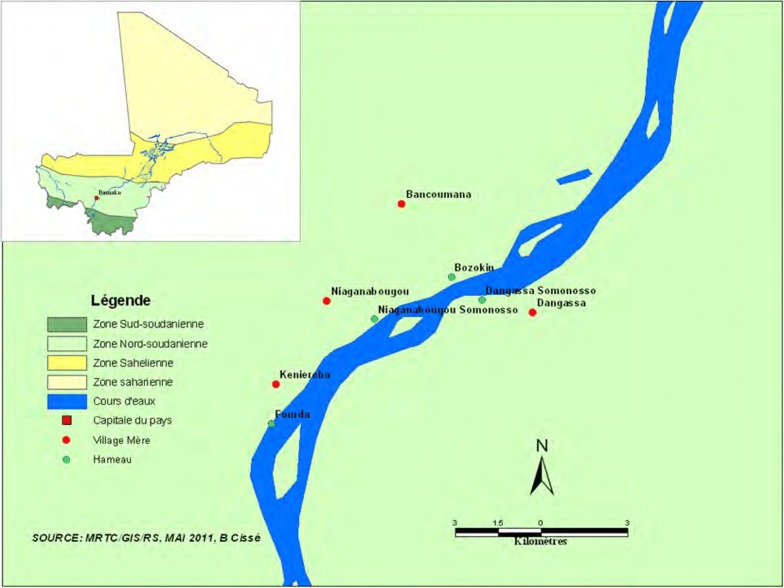
Seasonal malaria chemoprevention (SMC) is a new strategy to prevent malaria in children under 5 years old. It has been recommended by the World Health Organization since 2012 in malaria-endemic areas with seasonal transmission. This study aimed to assess the changes in malaria indicators through two consecutive years of SMC routine implementation in children under 5 years old in Dangassa, where malaria is endemic with a long and high transmission season.
From 2012 to 2016, a cohort study was conducted in Dangassa village. The study team based in the village followed all malaria clinical cases in children under 5 years old at the community health centre. During the study, SMC was routinely implemented in collaboration with the National Malaria Control Programme. The Cox regression model was used in order to compare malaria risk during the study.
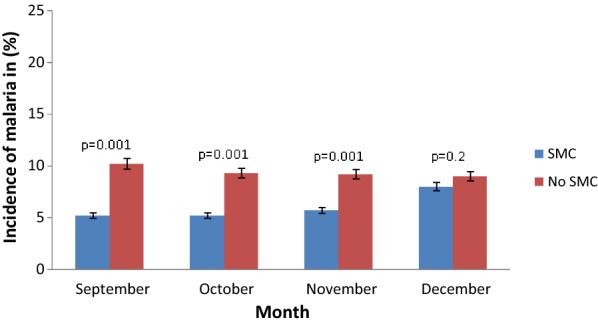
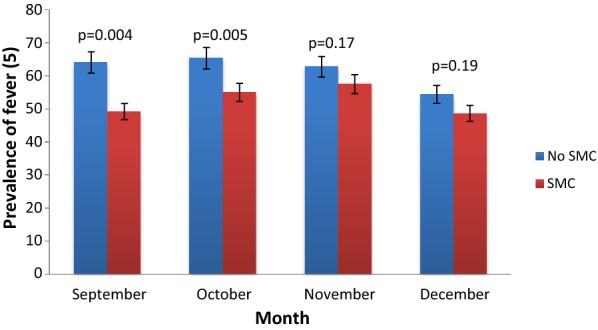
The Cox regression model showed a significant reduction in malaria clinical incidence, both in 2015 (HR = 0.27 (0.18-0.40), 95% CI) and in 2016 (HR = 0.23 (0.15-0.35), 95% CI) of SMC implementation compared to October 2013. Gametocyte and fever prevalence was lower between September and October during SMC implementation (2015 and 2016) compared to the same period before SMC implementation (2013-2014). A slight increase of malaria incidence was observed in December at the end of SMC implementation.
SMC has significantly reduced both malaria incidence and gametocyte prevalence and improved haemoglobin levels in children under 5 years old after 2 years of routine implementation.
季节性疟疾化学预防(SMC)是一种预防 5 岁以下儿童疟疾的新策略。自 2012 年以来,世界卫生组织在疟疾流行地区、具有季节性传播的地区推荐了这一策略。本研究旨在评估在 Dangassa 连续两年常规实施 SMC 对 5 岁以下儿童疟疾指标的变化,该地区疟疾流行,传播季节长且强度高。
2012 年至 2016 年,在 Dangassa 村进行了一项队列研究。研究小组在村里跟踪社区卫生中心所有 5 岁以下儿童的疟疾临床病例。在研究期间,与国家疟疾控制规划合作,常规实施 SMC。使用 Cox 回归模型比较研究期间的疟疾风险。
Cox 回归模型显示,与 2013 年 10 月相比,2015 年(HR=0.27(0.18-0.40),95%CI)和 2016 年(HR=0.23(0.15-0.35),95%CI)实施 SMC 后,疟疾临床发病率显著降低。与 SMC 实施前(2013-2014 年)相比,实施 SMC 期间(2015 年和 2016 年)9 月至 10 月间配子体和发热患病率较低。在 SMC 实施结束的 12 月,观察到疟疾发病率略有增加。
在常规实施 SMC 2 年后,显著降低了 5 岁以下儿童的疟疾发病率和配子体患病率,并提高了血红蛋白水平。