Li Xi-Lin, Guo Xiao-Qing, Wang Hai-Rong, Chen Tao, Mei Nan
Division of Genetic and Molecular Toxicology, National Center for Toxicological Research, Jefferson, AR, USA.
Tianjin Center for New Drug Safety Assessment and Research, Tianjin, China.
World J Tradit Chin Med. 2020 Jan-Mar;6(1):12-25. doi: 10.4103/wjtcm.wjtcm_33_19. Epub 2020 Mar 13.
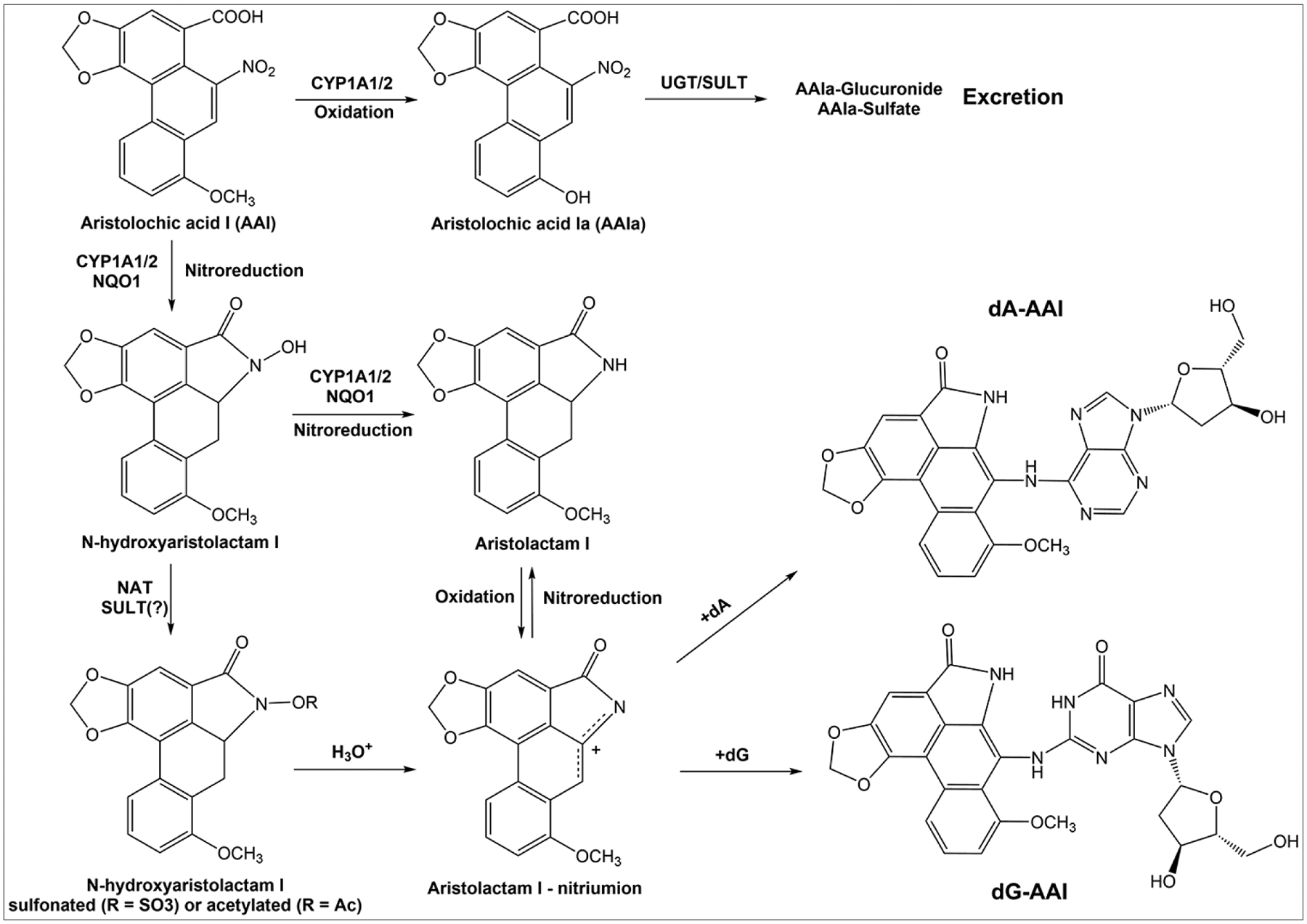
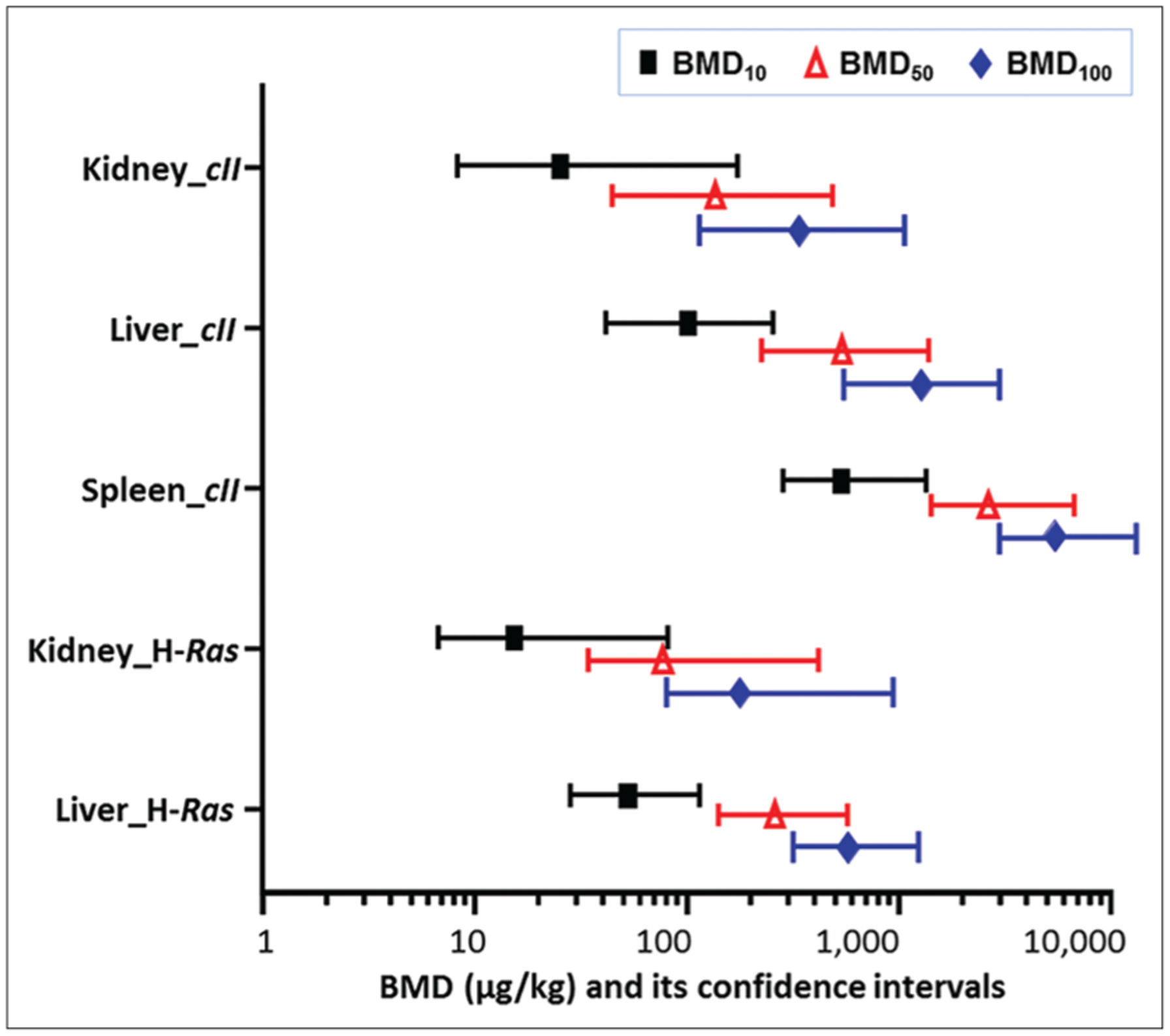
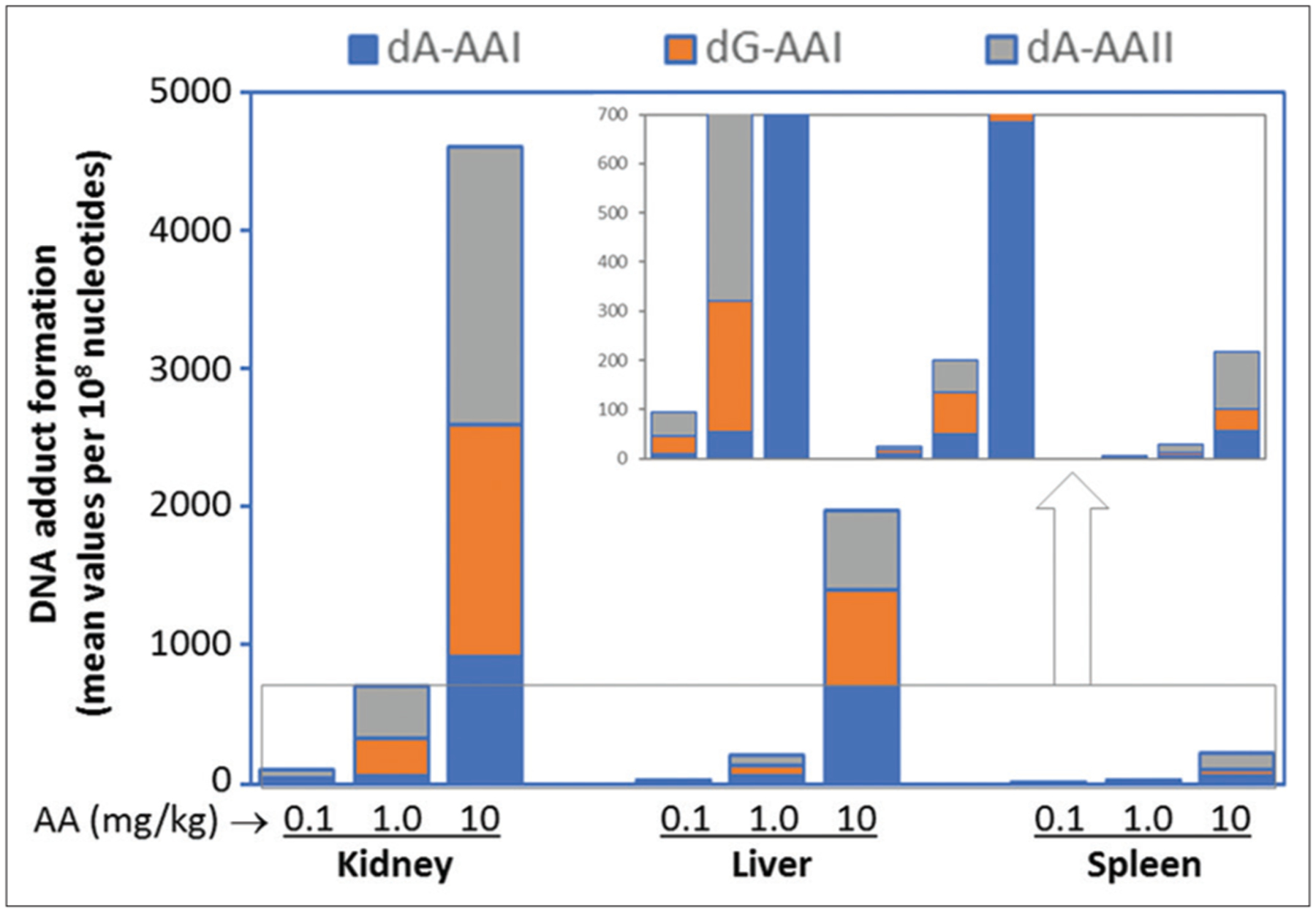
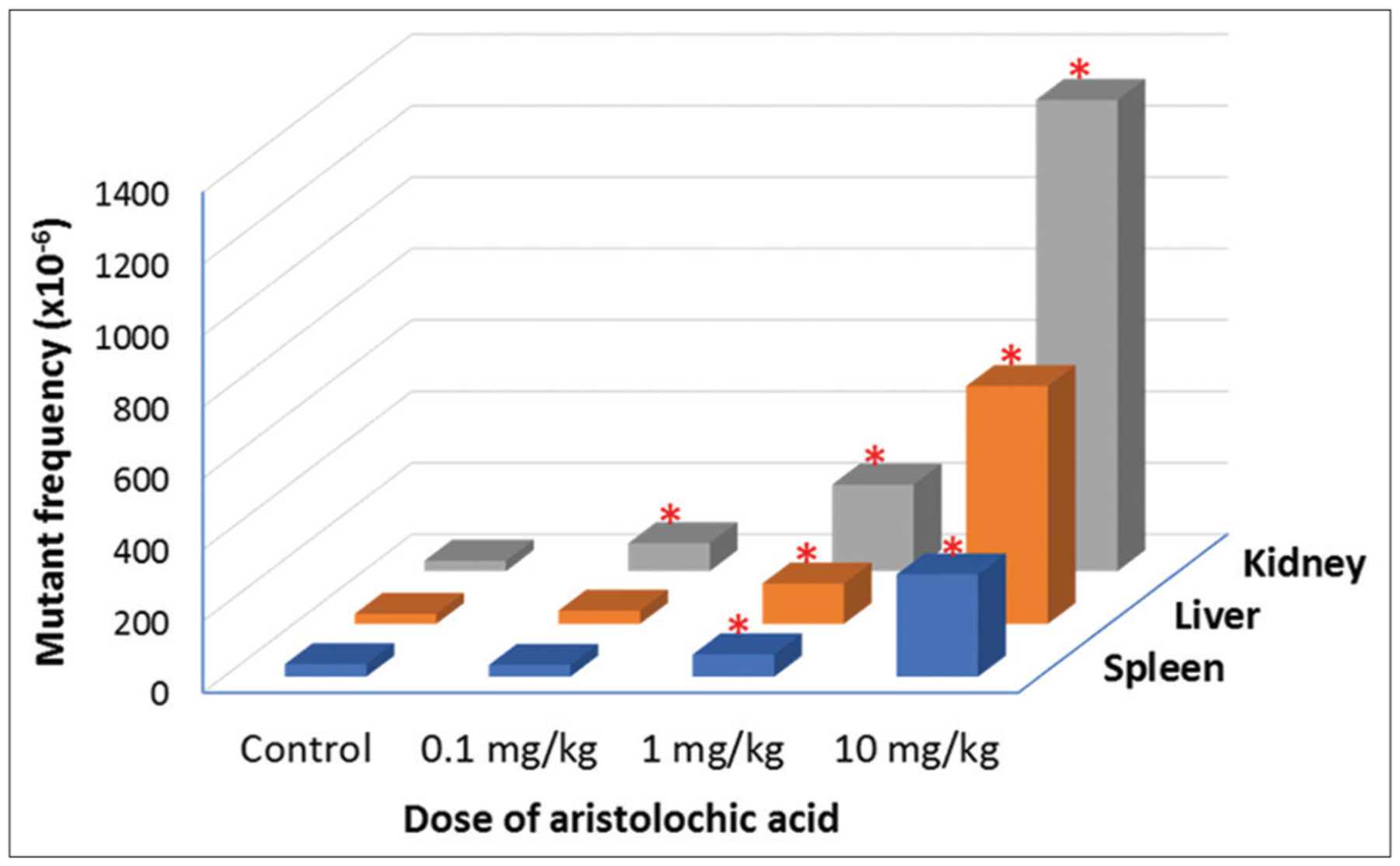
Aristolochic acid (AA) is a group of structurally related nitrophenanthrene carboxylic acids found in many plants that are widely used by many cultures as traditional herbal medicines. AA is a causative agent for Chinese herbs nephropathy, a term replaced later by AA nephropathy. Evidence indicates that AA is nephrotoxic, genotoxic, and carcinogenic in humans; and it also induces tumors in the forestomach, kidney, renal pelvis, urinary bladder, and lung of rats and mice. Therefore, plants containing AA have been classified as carcinogenic to humans (Group 1) by the International Agency for Research on Cancer. In our laboratories, we have conducted a series of genotoxicity and toxicogenomic studies in the rats exposed to AA of 0.1-10 mg/kg for 12 weeks. Our results demonstrated that AA treatments induced DNA adducts and mutations in the kidney, liver, and spleen of rats, as well as significant alteration of gene expression in both its target and nontarget tissues. AA treatments altered mutagenesis- or carcinogenesis-related microRNA expression in rat kidney and resulted in significant changes in protein expression profiling. We also applied benchmark dose (BMD) modeling to the 3-month AA-induced genotoxicity data. The obtained BMDL (the lower 95% confidence interval of the BMD that is a 10% increase over the background level) for AA-induced mutations in the kidney of rats was about 7 μg/kg body weight per day. This review constitutes an overview of our investigations on AA-induced genotoxicity and toxicogenomic changes including gene expression, microRNA expression, and proteomics; and presents updated information focused on AA-induced genotoxicity in rodents.
马兜铃酸(AA)是一类结构相关的硝基菲羧酸,存在于许多植物中,许多文化将这些植物广泛用作传统草药。AA是中草药肾病的致病因子,该术语后来被AA肾病所取代。有证据表明,AA对人类具有肾毒性、基因毒性和致癌性;它还会在大鼠和小鼠的前胃、肾脏、肾盂、膀胱和肺部诱发肿瘤。因此,含有AA的植物已被国际癌症研究机构列为对人类致癌(第1组)。在我们的实验室中,我们对暴露于0.1 - 10 mg/kg AA 12周的大鼠进行了一系列基因毒性和毒理基因组学研究。我们的结果表明,AA处理可诱导大鼠肾脏、肝脏和脾脏中的DNA加合物和突变,以及其靶组织和非靶组织中基因表达的显著改变。AA处理改变了大鼠肾脏中与诱变或致癌相关的微小RNA表达,并导致蛋白质表达谱的显著变化。我们还将基准剂量(BMD)模型应用于3个月AA诱导的基因毒性数据。AA诱导大鼠肾脏突变的获得的BMDL(BMD的95%置信区间下限,比背景水平增加10%)约为每天7 μg/kg体重。本综述概述了我们对AA诱导的基因毒性和毒理基因组变化(包括基因表达、微小RNA表达和蛋白质组学)的研究;并提供了关于AA在啮齿动物中诱导基因毒性的最新信息。