Saifullah Md, McCullum Rebecca, McCluskey Adam, Vuong Quan
Applied Sciences, School of Environmental and Life Sciences, Faculty of Science, The University of Newcastle, Ourimbah, NWS, 2258, Australia.
Department of Agro Product Processing Technology, Faculty of Applied Science and Technology, Jashore University of Science and Technology, Jashore, 7408, Bangladesh.
Heliyon. 2020 Apr 2;6(4):e03666. doi: 10.1016/j.heliyon.2020.e03666. eCollection 2020 Apr.
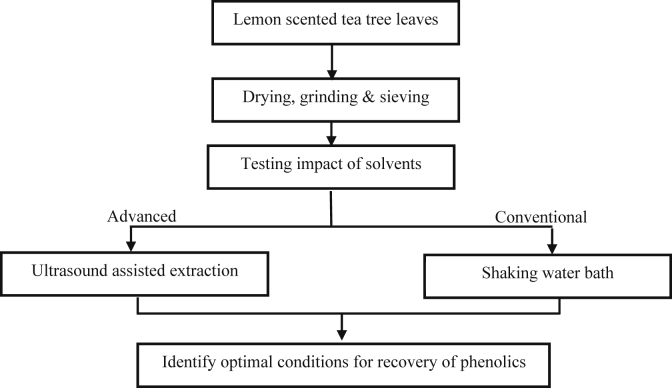
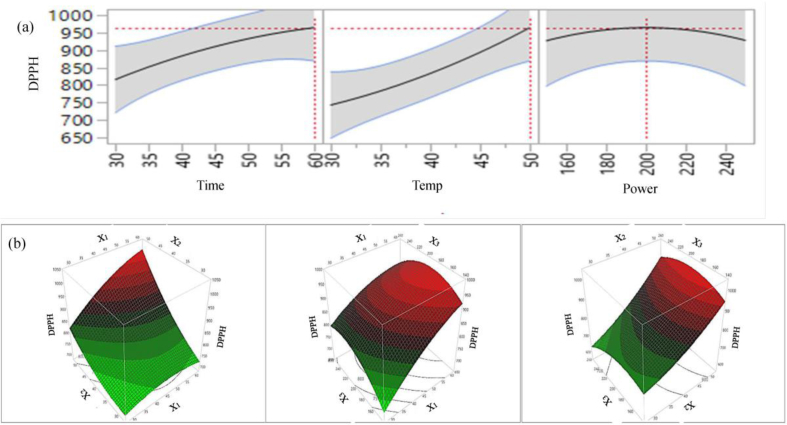
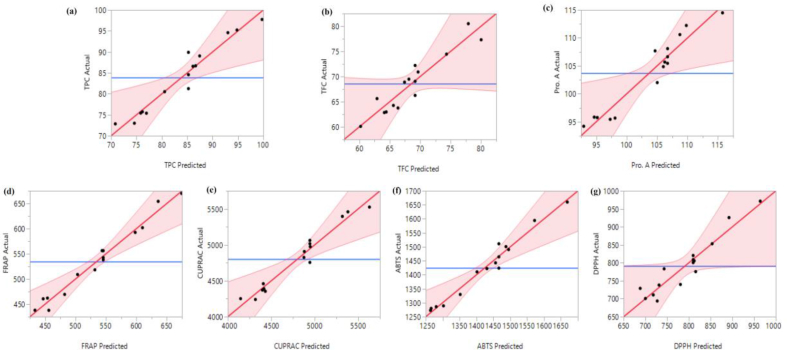
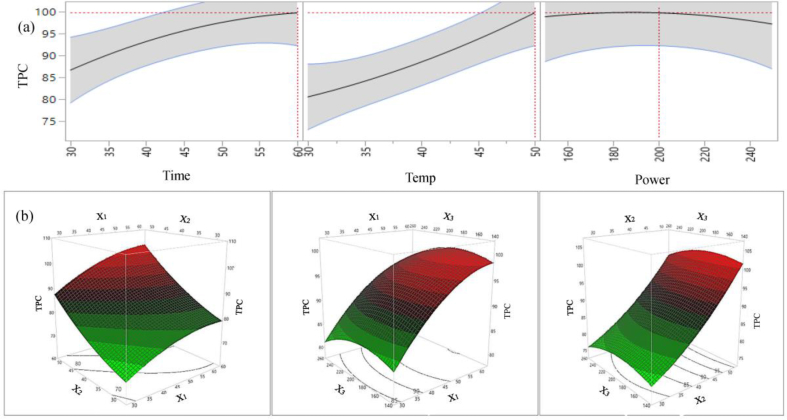
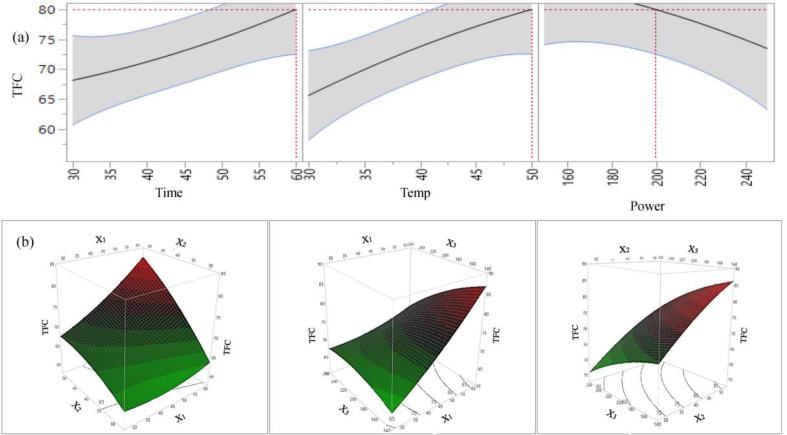
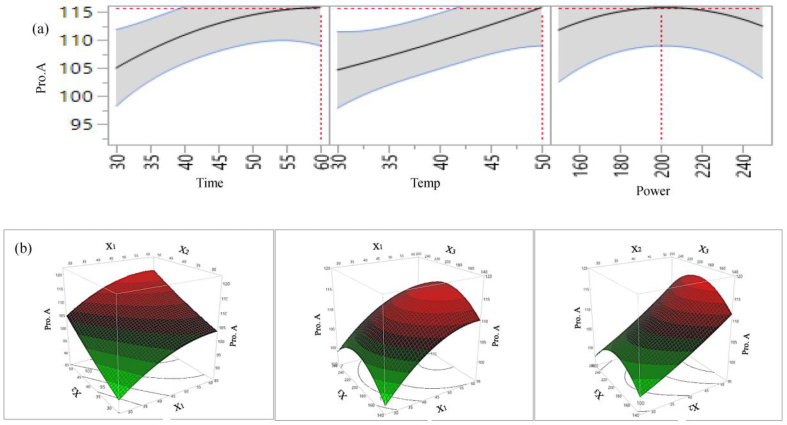
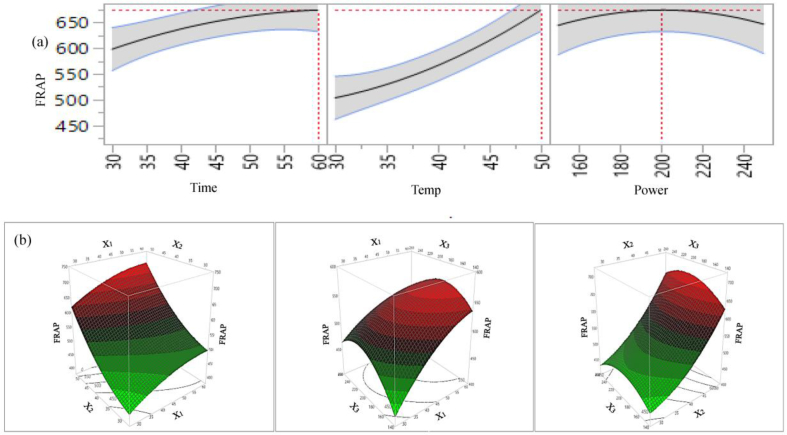
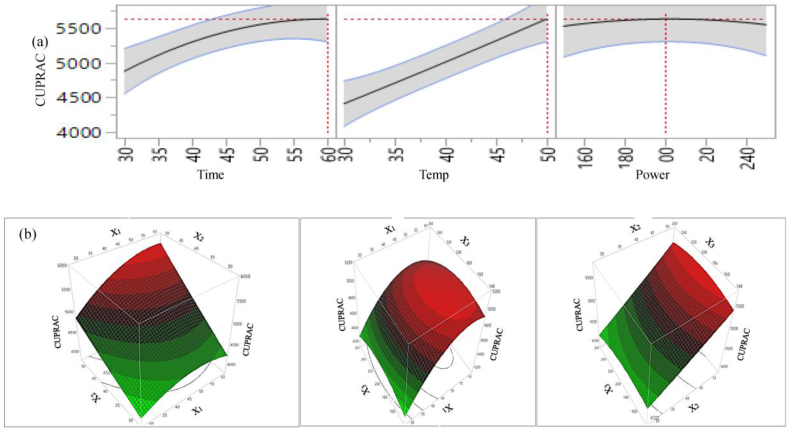
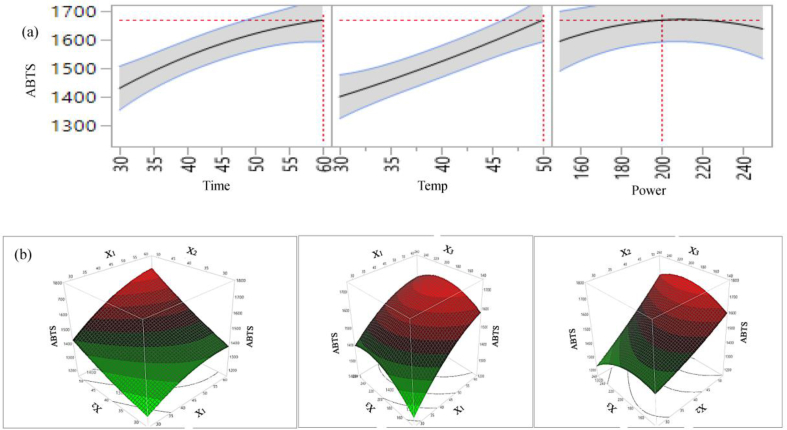
is a native Australian medicinal and aromatic plant. This study was designed to evaluate the influence of solvents and ultrasound-assisted extraction (UAE) parameters including time, temperature, and sonication power on the yield of phenolic compounds and antioxidant capacity from lemon scented tea tree leaves. Extraction efficiency of the optimal UAE conditions were compared with that of shaking water bath technique. The results show that extraction solvents significantly affect extraction yield of phenolic compounds and antioxidant properties, and 50% acetone in water was found to be the most suitable solvent. The UAE optimal conditions were 60 min, 50 °C and sonication power of 200 W. Under these optimal conditions the yields of total phenolics, flavonoids, proanthocyanidins were 98.91 ± 1.20 (mg GAE/g DW), 76.12 ± 0.79 (mg CE/g DW), 117.71 ± 2.18 (mg CE/g DW), respectively. Antioxidant properties from four assays including FRAP, CUPRAC, ABTS and DPPH were 581.29 ± 14.23, 5534.87 ± 19.56, 1636.18 ± 4.11, and 889.29 ± 20.68 (mM TE/g DW) respectively. The UAE extraction technique was found to be more efficient in extraction of total phenolics and antioxidant capacity in comparison with conventional shaking water bath extraction. This study also observed a strong correlation between phenolic compounds and antioxidant capacities. All three phenolic compound groups (TPC, TFC, and Pro.A) were contributed to both free radical scavenging and ion reducing properties in the lemon scented tea tree leaves extract. However, the order of the phenolic groups was TPC > Pro.A > TFC for antioxidant properties.
是一种澳大利亚本土的药用和芳香植物。本研究旨在评估溶剂以及超声辅助提取(UAE)参数(包括时间、温度和超声功率)对柠檬香茶树叶片中酚类化合物产量和抗氧化能力的影响。将最佳UAE条件下的提取效率与振荡水浴技术的提取效率进行了比较。结果表明,提取溶剂显著影响酚类化合物的提取产量和抗氧化性能,发现50%丙酮水溶液是最合适的溶剂。UAE的最佳条件为60分钟、50℃和200瓦的超声功率。在这些最佳条件下,总酚、黄酮类化合物、原花青素的产量分别为98.91±1.20(mg GAE/g DW)、76.12±0.79(mg CE/g DW)、117.71±2.18(mg CE/g DW)。包括FRAP、CUPRAC、ABTS和DPPH在内的四种测定方法的抗氧化性能分别为581.29±14.23、5534.87±19.56、1636.18±4.11和889.29±20.68(mM TE/g DW)。与传统的振荡水浴提取相比,发现UAE提取技术在总酚提取和抗氧化能力方面更有效。本研究还观察到酚类化合物与抗氧化能力之间存在很强的相关性。柠檬香茶树叶片提取物中的所有三类酚类化合物(TPC、TFC和Pro.A)都对自由基清除和离子还原性能有贡献。然而,就抗氧化性能而言,酚类基团的顺序为TPC>Pro.A>TFC。