Faculdade de Ciências Farmacêuticas de Ribeirão Preto, Universidade de São Paulo, Ribeirão Preto, Brazil.
Department of Medical Microbiology and Immunology, University of Wisconsin-Madison, Madison, Wisconsin, USA.
mSphere. 2020 Apr 8;5(2):e00153-20. doi: 10.1128/mSphere.00153-20.
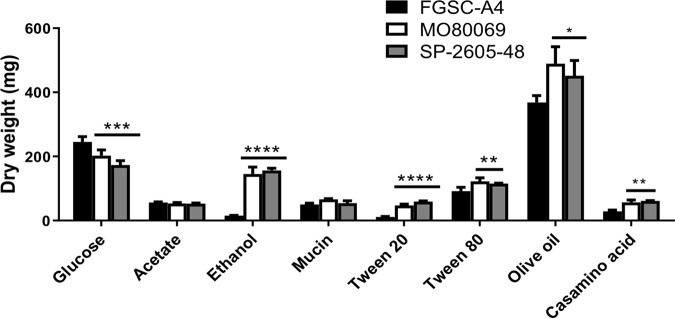
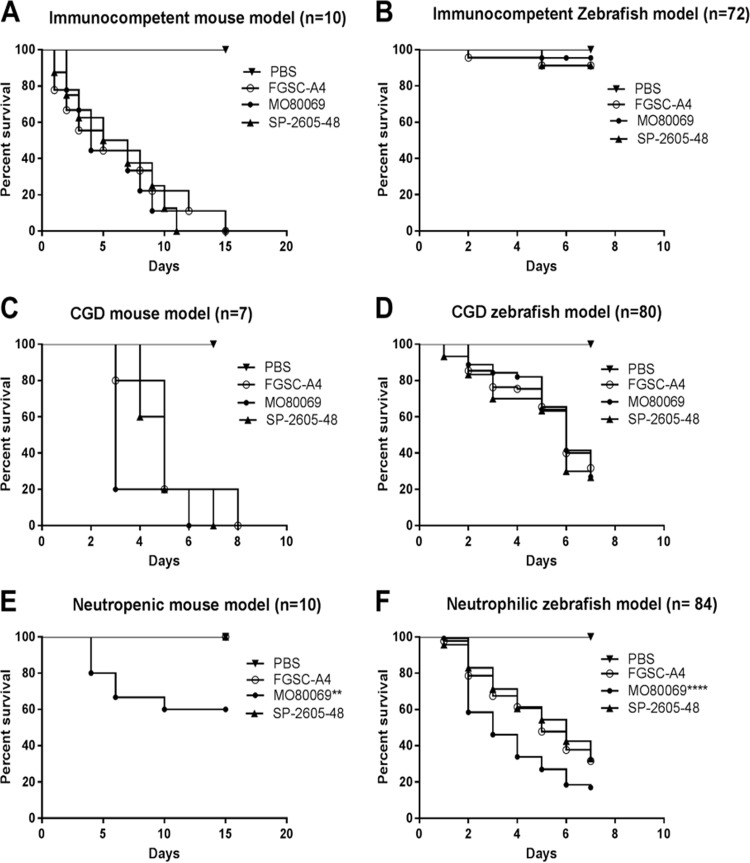
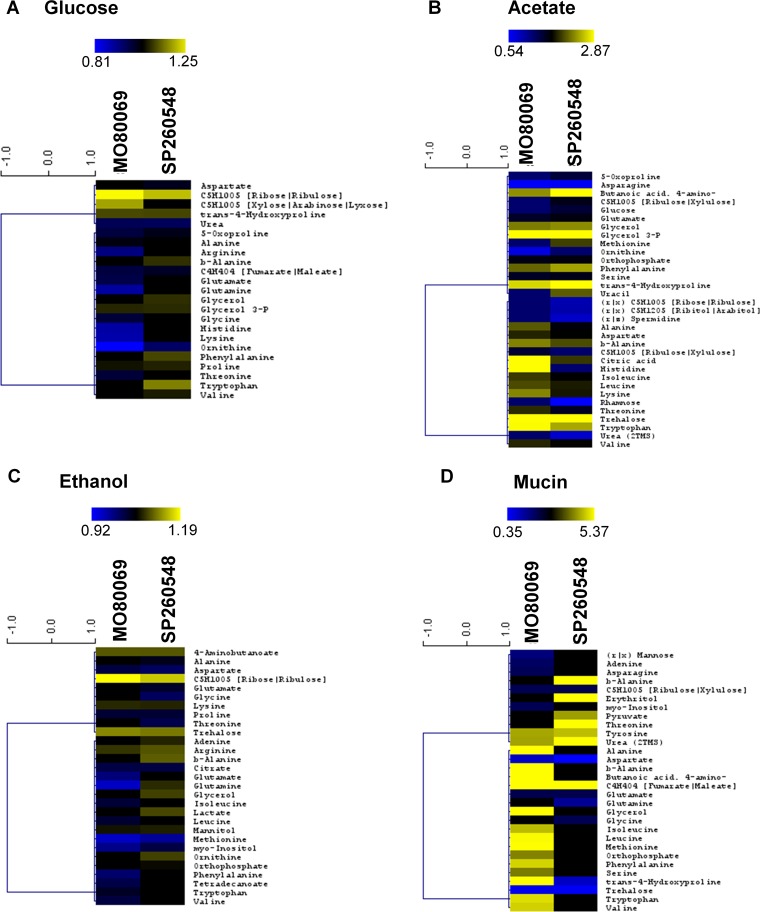
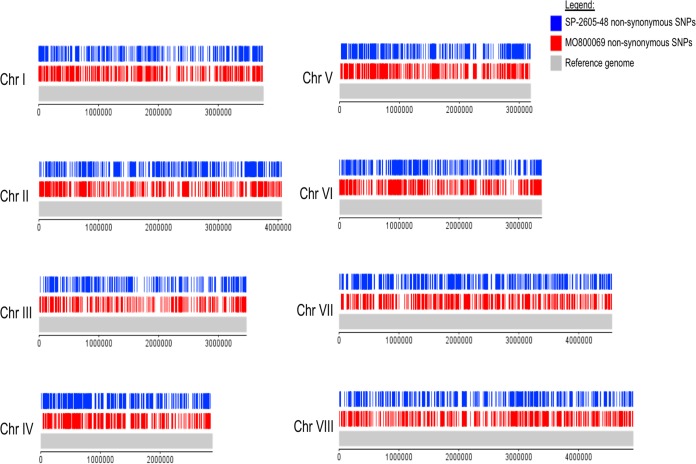
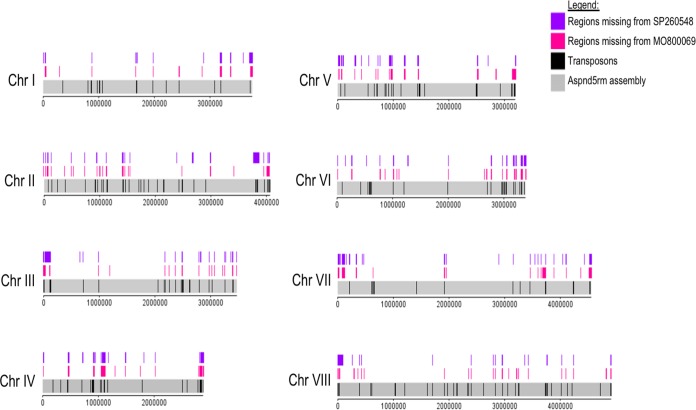
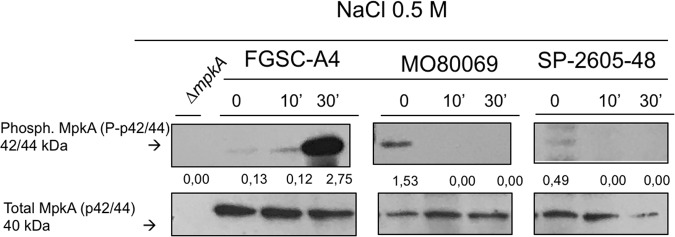
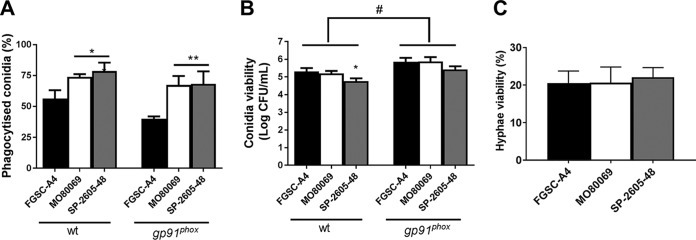
is an opportunistic fungal pathogen in patients with immunodeficiency, and virulence of isolates has mainly been studied in the context of chronic granulomatous disease (CGD), with characterization of clinical isolates obtained from non-CGD patients remaining elusive. This study therefore carried out a detailed biological characterization of two clinical isolates (CIs), obtained from a patient with breast carcinoma and pneumonia and from a patient with cystic fibrosis that underwent lung transplantation, and compared them to the reference, nonclinical FGSC A4 strain. Both CIs presented increased growth in comparison to that of the reference strain in the presence of physiologically relevant carbon sources. Metabolomic analyses showed that the three strains are metabolically very different from each other in these carbon sources. Furthermore, the CIs were highly susceptible to cell wall-perturbing agents but not to other physiologically relevant stresses. Genome analyses identified several frameshift variants in genes encoding cell wall integrity (CWI) signaling components. Significant differences in CWI signaling were confirmed by Western blotting among the three strains. virulence studies using several different models revealed that strain MO80069 had significantly higher virulence in hosts with impaired neutrophil function than the other strains. In summary, this study presents detailed biological characterization of two clinical isolates. Just as in , strain heterogeneity exists in clinical strains that can define virulence traits. Further studies are required to fully characterize strain-specific virulence traits and pathogenicity. Immunocompromised patients are susceptible to infections with opportunistic filamentous fungi from the genus Although is the main etiological agent of species-related infections, other species, such as , are prevalent in a condition-specific manner. is a predominant infective agent in patients suffering from chronic granulomatous disease (CGD). isolates have mainly been studied in the context of CGD although infection with also occurs in non-CGD patients. This study carried out a detailed biological characterization of two non-CGD clinical isolates and compared the results to those with a reference strain. Phenotypic, metabolomic, and genomic analyses highlight fundamental differences in carbon source utilization, stress responses, and maintenance of cell wall integrity among the strains. One clinical strain had increased virulence in models with impaired neutrophil function. Just as in , strain heterogeneity exists in clinical strains that can define virulence traits.
是一种机会性真菌病原体,在免疫功能低下的患者中,其毒力主要在慢性肉芽肿病(CGD)的背景下进行研究,而从非 CGD 患者中获得的临床分离株的特征仍然难以捉摸。因此,本研究对从患有乳腺癌和肺炎的患者以及接受肺移植的囊性纤维化患者中获得的两个临床分离株(CI)进行了详细的生物学特征分析,并将其与参考的非临床 FGSC A4 菌株进行了比较。与参考菌株相比,这两个 CI 在存在生理相关碳源的情况下,生长速度都有所提高。代谢组学分析表明,在这些碳源中,三种菌株彼此之间在代谢上有很大的不同。此外,CI 对细胞壁破坏剂高度敏感,但对其他生理相关压力不敏感。基因组分析确定了编码细胞壁完整性(CWI)信号成分的基因中有几个移码变体。在三种菌株之间,通过 Western blot 证实了 CWI 信号存在显著差异。使用几种不同模型进行的毒力研究表明,MO80069 菌株在中性粒细胞功能受损的宿主中具有显著更高的毒力。综上所述,本研究对两个临床分离株进行了详细的生物学特征分析。正如在中一样,临床分离株中存在着可以定义毒力特征的菌株异质性。需要进一步研究来充分表征特定于 菌株的毒力特征和致病性。免疫功能低下的患者易感染丝状真菌属的机会性真菌。虽然是与物种相关感染的主要病原体,但其他物种,如,在特定条件下也很普遍。是慢性肉芽肿病(CGD)患者的主要感染因子。尽管 CGD 患者也会感染,但对 分离株的研究主要集中在 CGD 背景下。本研究对两个非 CGD 临床分离株进行了详细的生物学特征分析,并将结果与参考菌株进行了比较。表型、代谢组学和基因组分析突出了菌株在碳源利用、应激反应和细胞壁完整性维持方面的根本差异。一个临床分离株在中性粒细胞功能受损的模型中具有更高的毒力。正如在中一样,临床分离株中存在着可以定义毒力特征的菌株异质性。