London School of Hygiene and Tropical Medicine, London, United Kingdom.
Malaria Consortium, Phnom Penh Center, Phnom Penh, Cambodia.
Am J Trop Med Hyg. 2020 Jun;102(6):1432-1439. doi: 10.4269/ajtmh.19-0453.
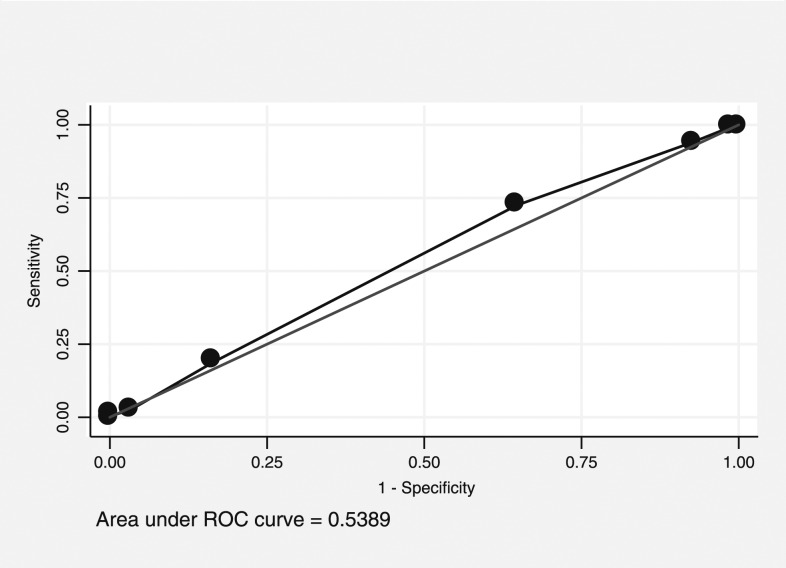
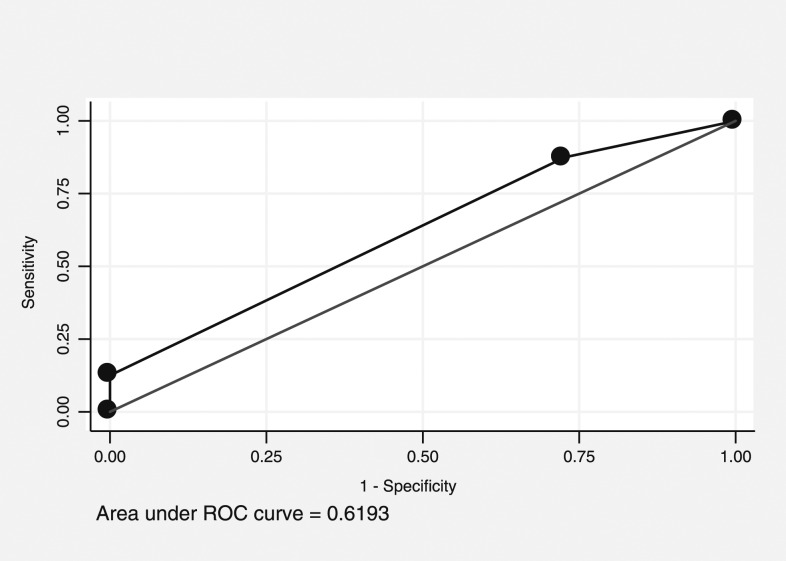
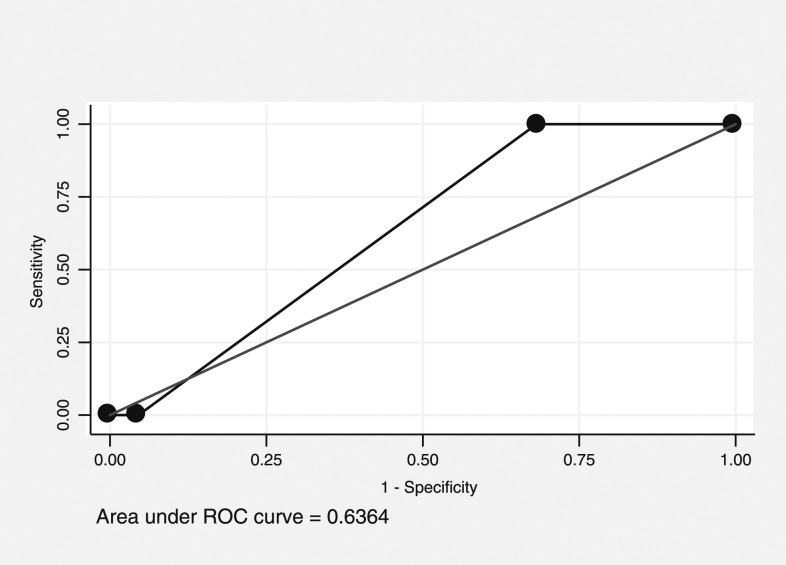
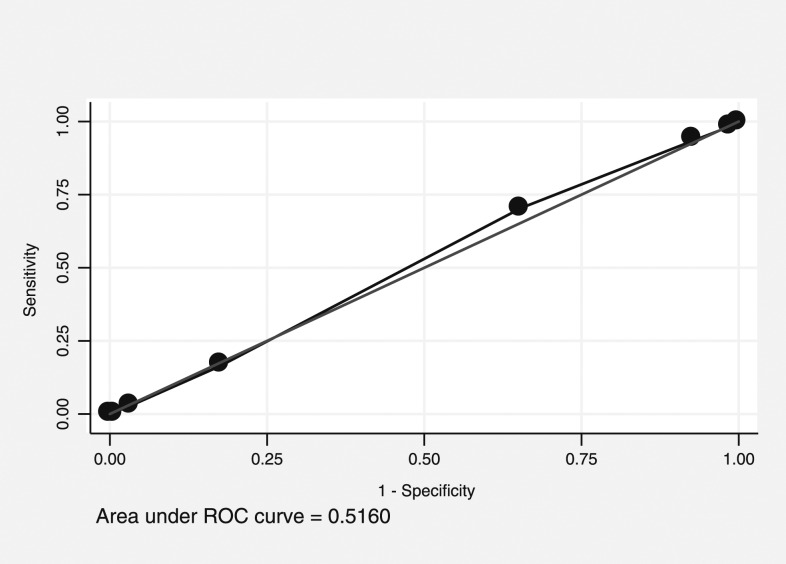
-transmitted diseases, especially dengue, are increasing throughout the world and the main preventive methods include vector control and the avoidance of mosquito bites. A simple Premise Condition Index (PCI) categorizing shade, house, and yard conditions was previously developed to help prioritize households or geographical areas where resources are limited. However, evidence about the accuracy of the PCI is mixed. The current study aimed to contribute to a better understanding of the relevance by collecting data from 2,400 premises at four time points over 1 year in Kampong Cham, Cambodia. Regression models were then used to identify associations between PCI and adult female mosquitoes and pupae. In addition, receiver operating characteristic curves were used to measure the ability of PCI to identify premises in the top quartile of mosquito abundance. The density of adult females was positively associated with PCI at the household (ratio of means = 1.16 per point on the PCI scale) and cluster level (ratio of means = 1.54). However, the number of pupae was negatively associated with PCI at the household level (rate ratio = 0.74) and did not have a statistically significant association at the cluster level. Receiver operating characteristic curves suggest the PCI score had "rather low accuracy" (area under the ROC curve = 0.52 and 0.54) at identifying top-quartile premises in terms of adult female and pupae, respectively. These results suggest that caution is warranted in the programmatic use of PCI in areas of similar geography and mosquito abundance.
-transmitted diseases, especially dengue, are increasing throughout the world and the main preventive methods include vector control and the avoidance of mosquito bites. A simple Premise Condition Index (PCI) categorizing shade, house, and yard conditions was previously developed to help prioritize households or geographical areas where resources are limited. However, evidence about the accuracy of the PCI is mixed. The current study aimed to contribute to a better understanding of the relevance by collecting data from 2,400 premises at four time points over 1 year in Kampong Cham, Cambodia. Regression models were then used to identify associations between PCI and adult female mosquitoes and pupae. In addition, receiver operating characteristic curves were used to measure the ability of PCI to identify premises in the top quartile of mosquito abundance. The density of adult females was positively associated with PCI at the household (ratio of means = 1.16 per point on the PCI scale) and cluster level (ratio of means = 1.54). However, the number of pupae was negatively associated with PCI at the household level (rate ratio = 0.74) and did not have a statistically significant association at the cluster level. Receiver operating characteristic curves suggest the PCI score had "rather low accuracy" (area under the ROC curve = 0.52 and 0.54) at identifying top-quartile premises in terms of adult female and pupae, respectively. These results suggest that caution is warranted in the programmatic use of PCI in areas of similar geography and mosquito abundance.
虫媒传染病,尤其是登革热,在全球范围内呈上升趋势,主要预防方法包括病媒控制和避免蚊虫叮咬。以前开发了一种简单的前提条件指数(PCI),对遮荫、房屋和庭院条件进行分类,以帮助确定资源有限的家庭或地理区域的优先顺序。然而,关于 PCI 准确性的证据参差不齐。本研究旨在通过在柬埔寨磅湛省 1 年内四个时间点收集 2400 个场所的数据,为更好地理解相关性做出贡献。然后使用回归模型来确定 PCI 与成年雌性蚊子和蛹之间的关联。此外,还使用受试者工作特征曲线来衡量 PCI 识别蚊子丰度最高四分位数场所的能力。成年雌性蚊子的密度与 PCI 呈正相关(在 PCI 量表上每点的平均值比 = 1.16),与集群水平呈正相关(平均值比 = 1.54)。然而,蛹的数量与 PCI 呈负相关(率比 = 0.74),在集群水平上没有统计学意义。受试者工作特征曲线表明,PCI 评分在识别成年雌性和蛹的丰度最高四分位数场所方面具有“相当低的准确性”(ROC 曲线下面积分别为 0.52 和 0.54)。这些结果表明,在地理和蚊子丰度相似的地区,在计划使用 PCI 时需要谨慎。