Pereira Alexandre L, Banea Mariana D, Neto Jorge S S, Cavalcanti Daniel K K
Federal Center of Technological Education in Rio de Janeiro, CEFET/RJ, Rio de Janeiro 20271-110, Brazil.
Polymers (Basel). 2020 Apr 9;12(4):866. doi: 10.3390/polym12040866.
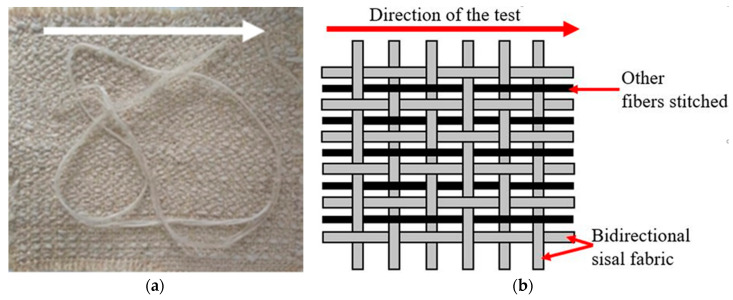
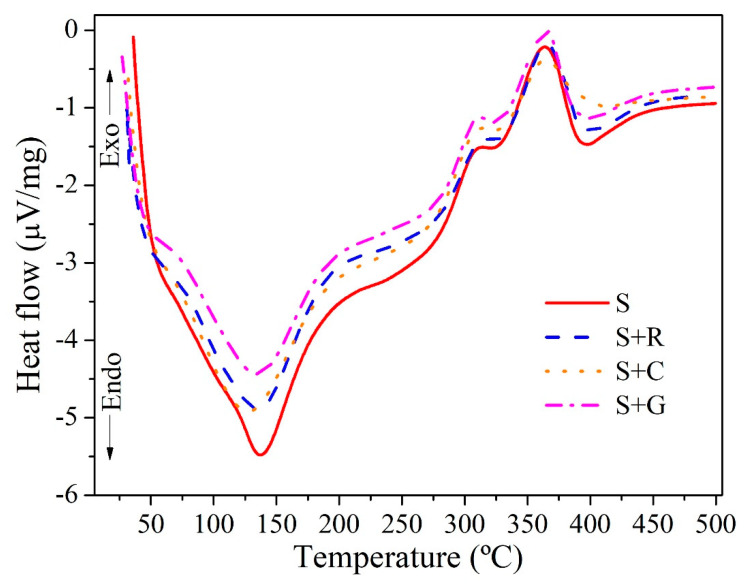
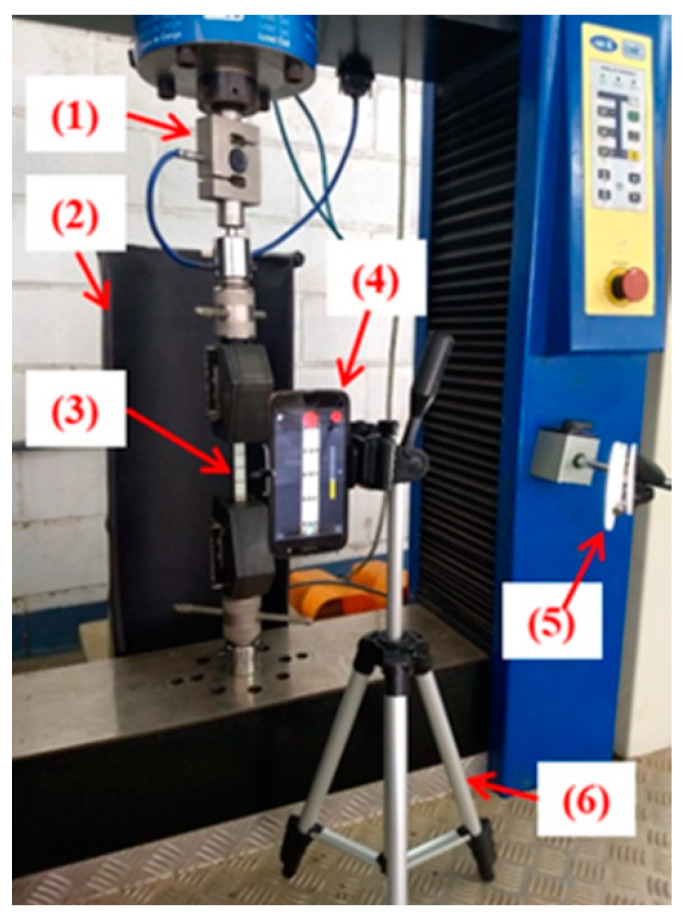
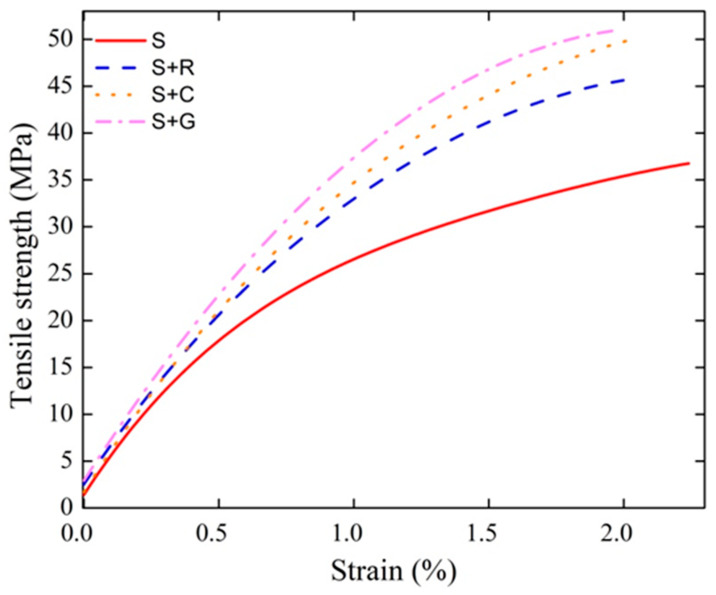
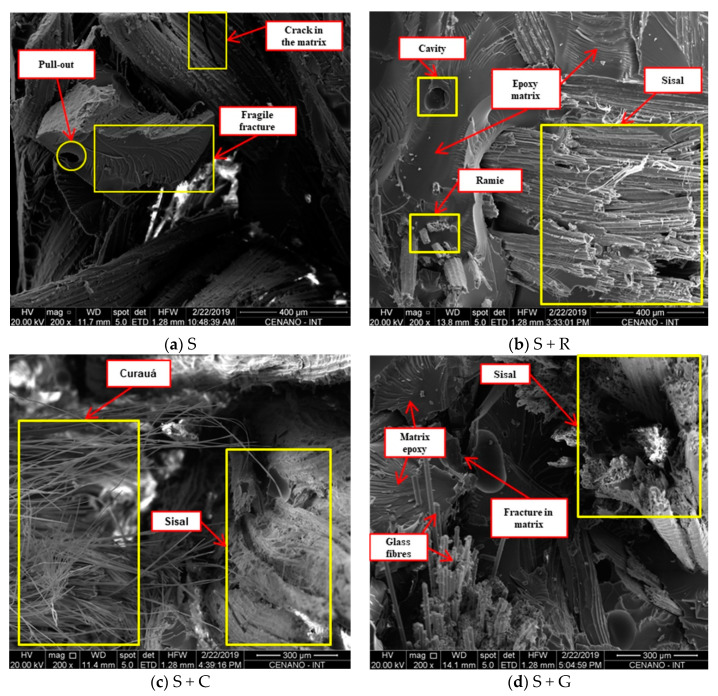
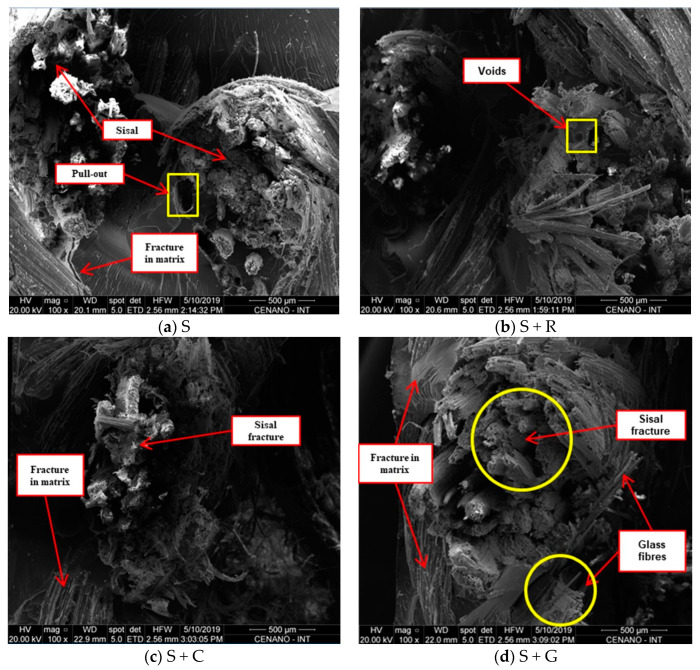
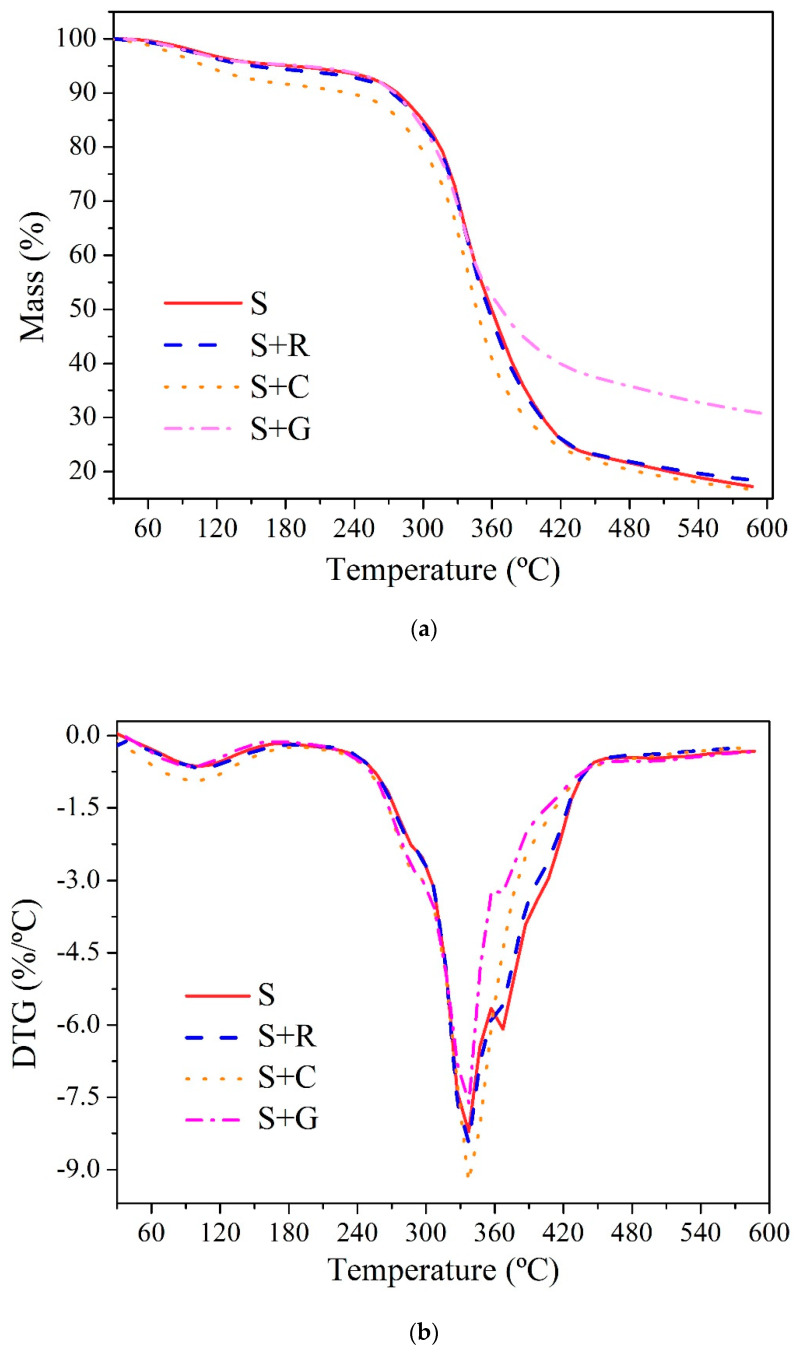
The main objective of this work was to investigate the effect of hybridization on the mechanical and thermal properties of intralaminar natural fiber-reinforced hybrid composites based on sisal. Ramie, sisal and curauá fibers were selected as natural fiber reinforcements for the epoxy matrix based composites, which were produced by the hand lay-up technique. Tensile, flexural and impact tests were carried out according to American society for testing and materials (ASTM) standards to characterize the hybrid composites, while differential scanning calorimetry (DSC) and thermogravimetric analysis (TGA) were used to evaluate the thermal properties. It was found that the mechanical properties are improved by hybridization of sisal based composites. The thermal analysis showed that the hybridization did not significantly affect the thermal stability of the composites. A scanning electron microscopy (SEM) was used to examine the fracture surface of the tested specimens. The SEM images showed a brittle fracture of the matrix and fiber breakage near the matrix.
这项工作的主要目的是研究杂交对基于剑麻的层内天然纤维增强混杂复合材料的力学和热性能的影响。苎麻、剑麻和库拉索纤维被选为环氧基质基复合材料的天然纤维增强材料,这些复合材料通过手糊工艺生产。根据美国材料与试验协会(ASTM)标准进行拉伸、弯曲和冲击试验,以表征混杂复合材料,同时使用差示扫描量热法(DSC)和热重分析(TGA)来评估热性能。结果发现,基于剑麻的复合材料通过杂交提高了力学性能。热分析表明,杂交对复合材料的热稳定性没有显著影响。使用扫描电子显微镜(SEM)检查测试样品的断裂表面。SEM图像显示基体出现脆性断裂,且基体附近的纤维发生断裂。