Fanunza Elisa, Frau Aldo, Corona Angela, Tramontano Enzo
Department of Life and Environmental Sciences, University of Cagliari, Cagliari, Italy.
Genetics and Biomedical Research Institute, National Research Council, Monserrato, Italy.
Annu Rep Med Chem. 2018;51:135-173. doi: 10.1016/bs.armc.2018.08.004. Epub 2018 Sep 22.
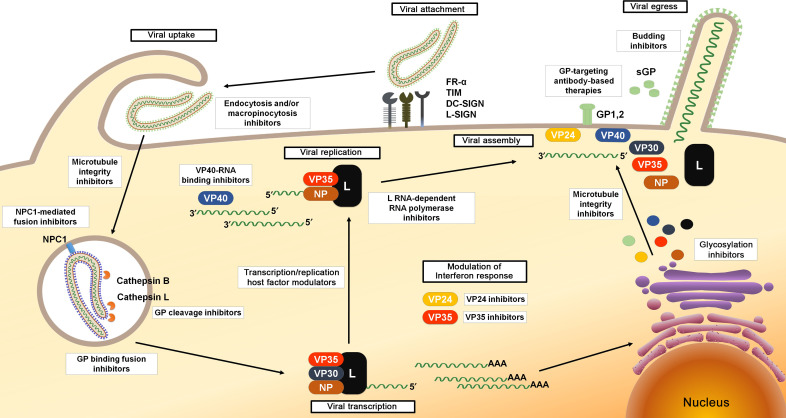
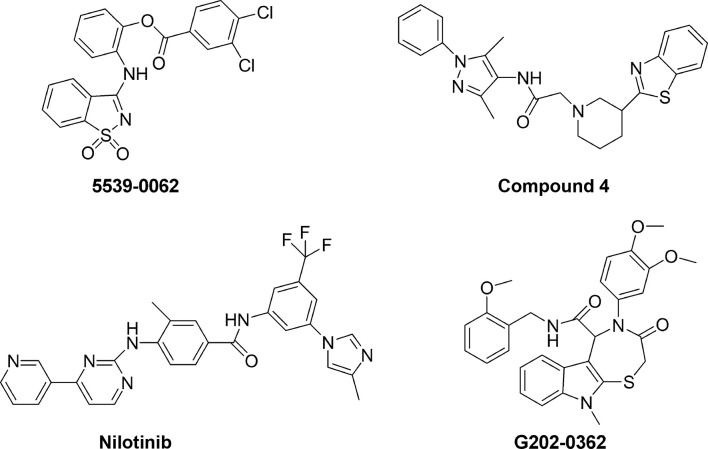
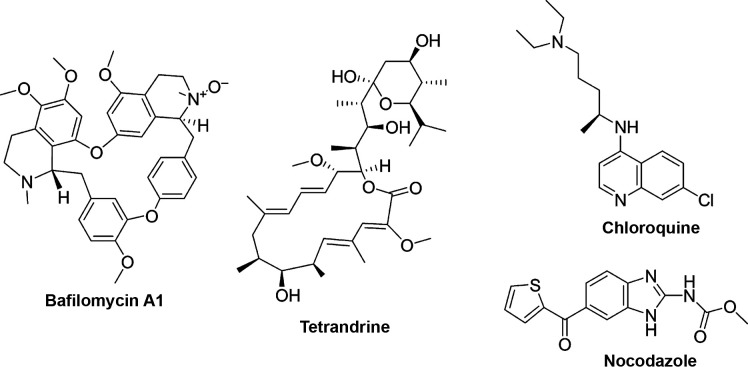
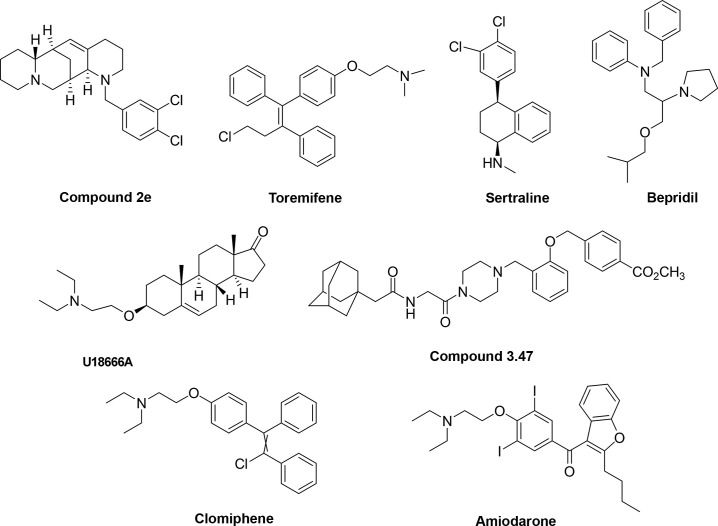
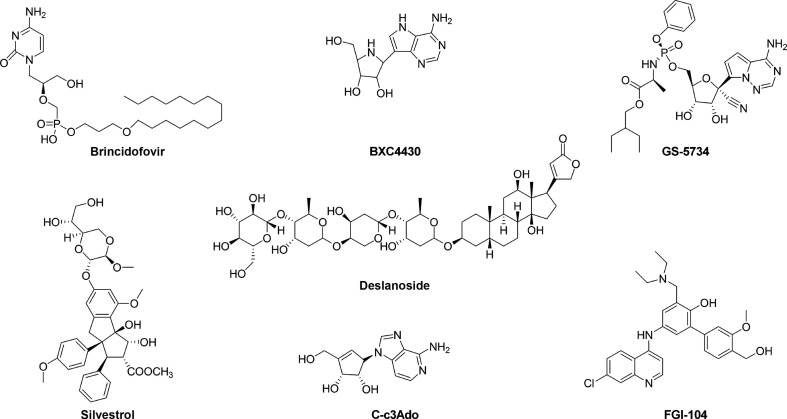
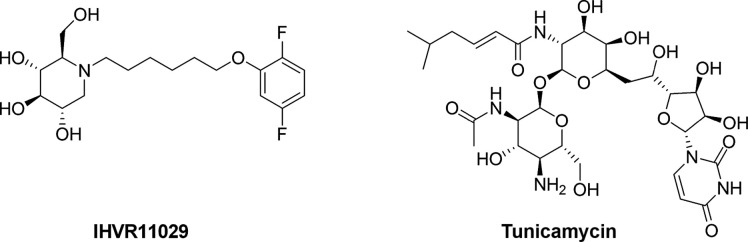
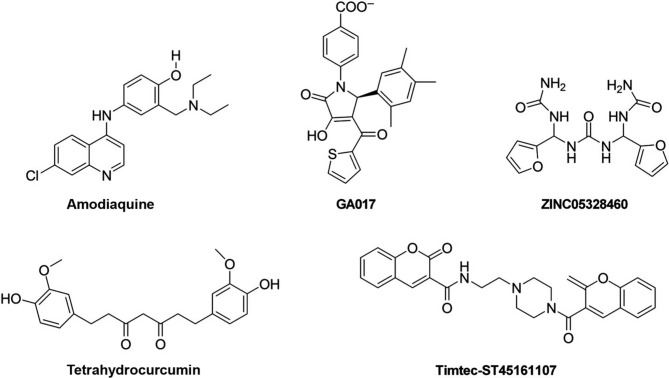
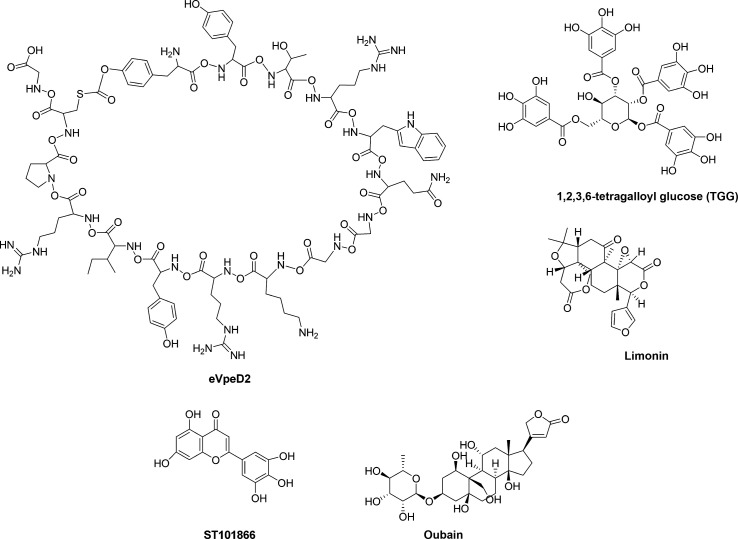
Ebola virus (EBOV) causes a deadly hemorrhagic syndrome in humans with mortality rate up to 90%. First reported in Zaire in 1976, EBOV outbreaks showed a fluctuating trend during time and fora long period it was considered a tragic disease confined to the isolated regions of the African continent where the EBOV fear was perpetuated among the poor communities. The extreme severity of the recent 2014-16 EBOV outbreak in terms of fatality rate and rapid spread out of Africa led to the understanding that EBOV is a global health risk and highlights the necessity to find countermeasures against it. In the recent years, several small molecules have been shown to display in vitro and in vivo efficacy against EBOV and some of them have advanced into clinical trials. In addition, also existing drugs have been tested for their anti-EBOV activity and were shown to be promising candidates. However, despite the constant effort addressed to identify anti-EBOV therapeutics, no approved drugs are available against EBOV yet. In this chapter, we describe the main EBOV life cycle steps, providing a detailed picture of the druggable viral and host targets that have been explored so far by different technologies. We then summarize the small molecules, nucleic acid oligomers, and antibody-based therapies reported to have an effect either in in silico, or in biochemical and cell-based assays or in animal models and clinical trials, listing them according to their demonstrated or putative mechanism of action.
埃博拉病毒(EBOV)可导致人类出现致命的出血热综合征,死亡率高达90%。1976年在扎伊尔首次报告该病毒后,埃博拉病毒疫情随时间呈波动趋势,长期以来它被视为一种仅限于非洲大陆偏远地区的悲剧性疾病,在贫困社区中人们对埃博拉病毒的恐惧一直存在。2014 - 2016年最近一次埃博拉病毒疫情在死亡率和迅速蔓延至非洲以外地区方面的极端严重性,使人们认识到埃博拉病毒是一种全球健康风险,并凸显了寻找应对措施的必要性。近年来,已证明几种小分子在体外和体内对埃博拉病毒具有疗效,其中一些已进入临床试验阶段。此外,现有药物也已进行抗埃博拉病毒活性测试,并显示出有成为有前景候选药物的可能。然而,尽管一直在努力寻找抗埃博拉病毒的治疗方法,但目前尚无针对埃博拉病毒的获批药物。在本章中,我们描述了埃博拉病毒主要的生命周期步骤,详细介绍了目前已通过不同技术探索的可药物作用的病毒和宿主靶点。然后,我们总结了据报道在计算机模拟、生化和细胞实验、动物模型及临床试验中有效的小分子、核酸寡聚物和基于抗体的疗法,并根据其已证实或推测的作用机制进行列举。