Zhang Xue Wu, Yap Yee Leng
Hong Kong University-Pasteur Research Centre, Dexter H.C. Man Building, 8 Sassoon Road, Pokfulam, HongKong, China.
Theochem. 2004 Jul 26;681(1):137-141. doi: 10.1016/j.theochem.2004.04.065. Epub 2004 Jul 9.
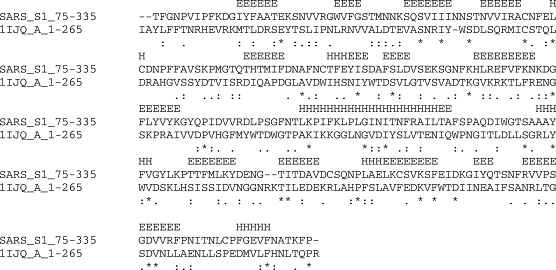
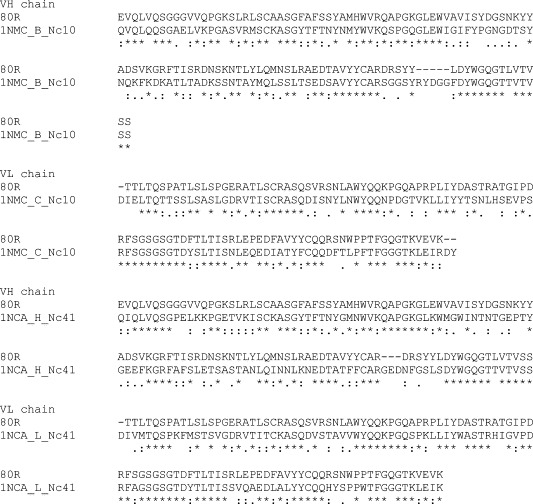
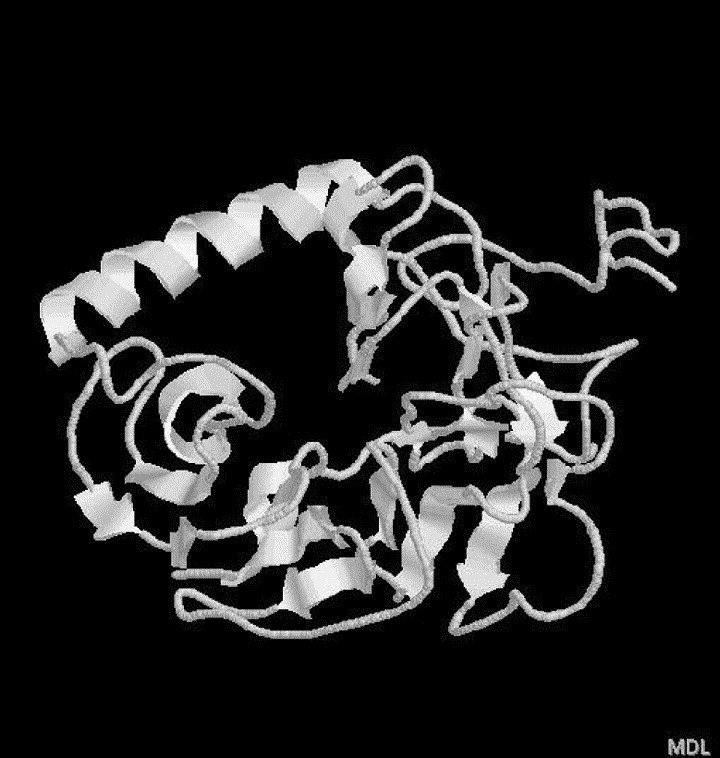
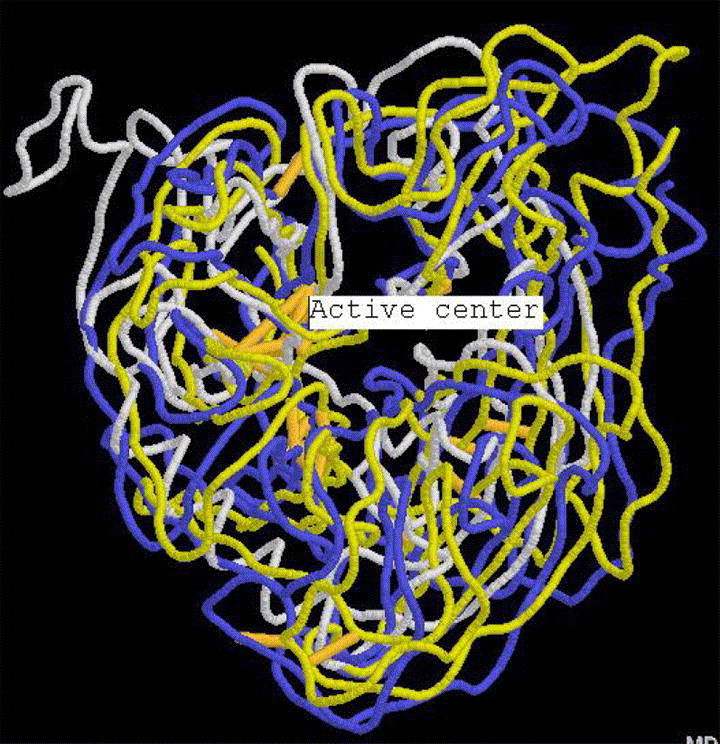
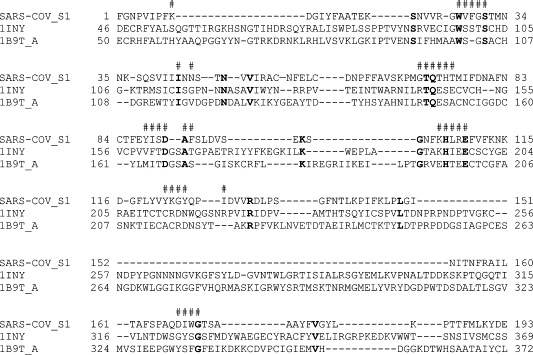
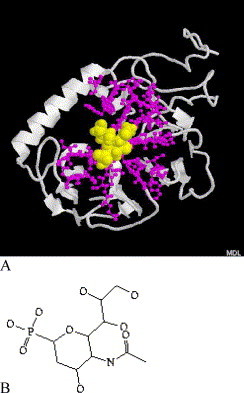
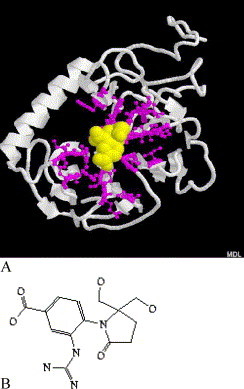
The spike protein of SARS-associated coronavirus (SARS-CoV) is an important target for anti-SARS drug discovery. Its S1 domain is responsible for receptor binding and SARS-CoV entry into cells. In this study, we constructed a rational 3D model for S1 domain of SARS-CoV spike protein by fold recognition and molecular modeling techniques. We found that there is a structure similarity between S1 protein and influenza virus neuraminidase. Our analyses suggest that the existing anti-influenza virus inhibitors and anti-neuraminidase antibody could be used as a starting point for designing anti-SARS drugs, vaccines and antibodies. Interestingly, our prediction for antibody is consistent with a recently experimental discovery of anti-SARS antibody.
严重急性呼吸综合征相关冠状病毒(SARS-CoV)的刺突蛋白是抗SARS药物研发的重要靶点。其S1结构域负责受体结合以及SARS-CoV进入细胞。在本研究中,我们通过折叠识别和分子建模技术构建了SARS-CoV刺突蛋白S1结构域的合理三维模型。我们发现S1蛋白与流感病毒神经氨酸酶之间存在结构相似性。我们的分析表明,现有的抗流感病毒抑制剂和抗神经氨酸酶抗体可作为设计抗SARS药物、疫苗和抗体的起点。有趣的是,我们对抗体的预测与最近抗SARS抗体的实验发现一致。