Department of Pathology, University of Iowa, Iowa City, IA 52242, USA.
Department of Pathology, University of Iowa, Iowa City, IA 52242, USA; Interdisciplinary Graduate Program in Immunology, University of Iowa, Iowa City, IA 52242, USA; Department of Microbiology and Immunology, University of Iowa, Iowa City, IA 52242, USA.
Cell Rep. 2020 Apr 14;31(2):107508. doi: 10.1016/j.celrep.2020.03.072.
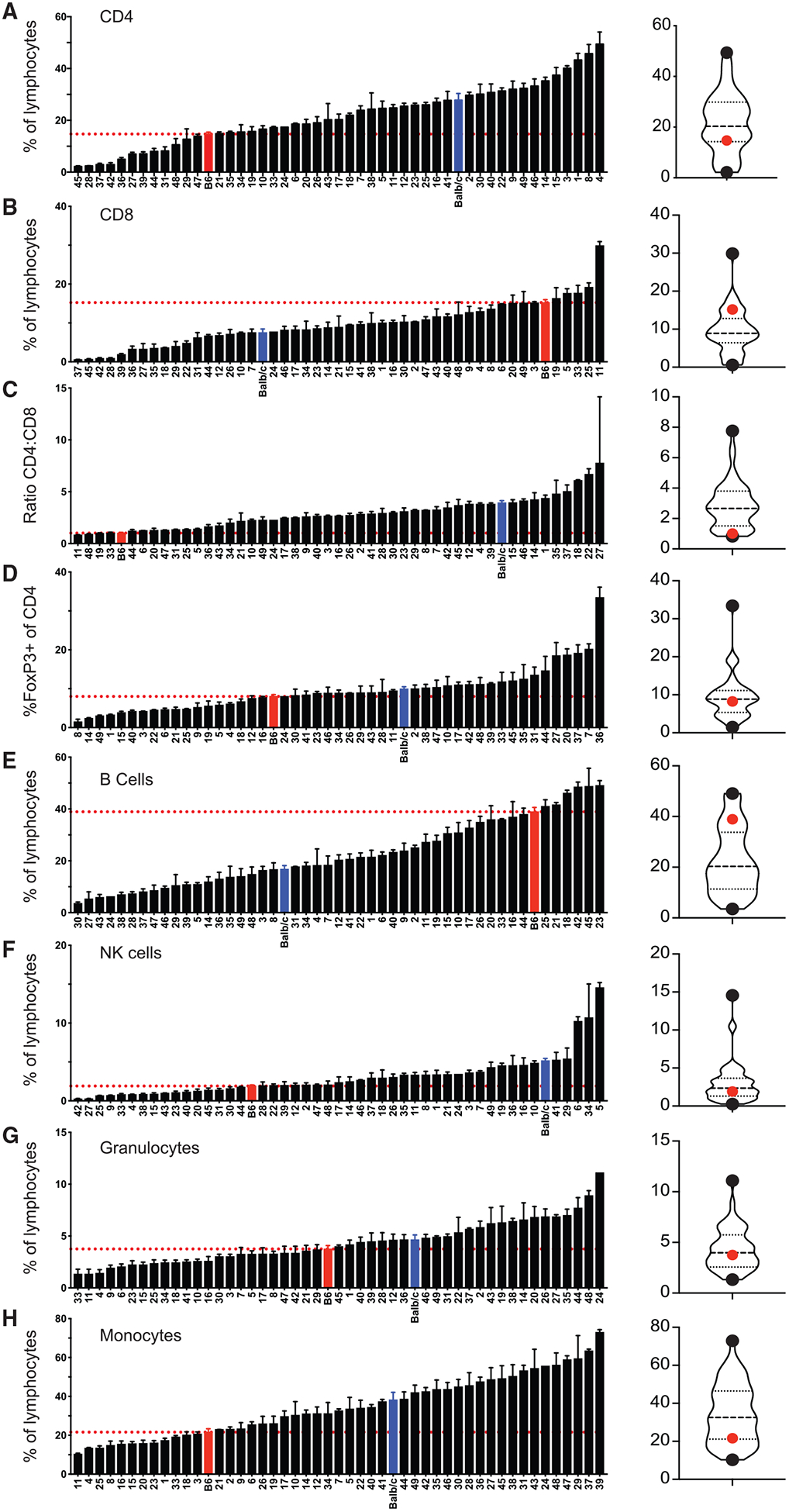
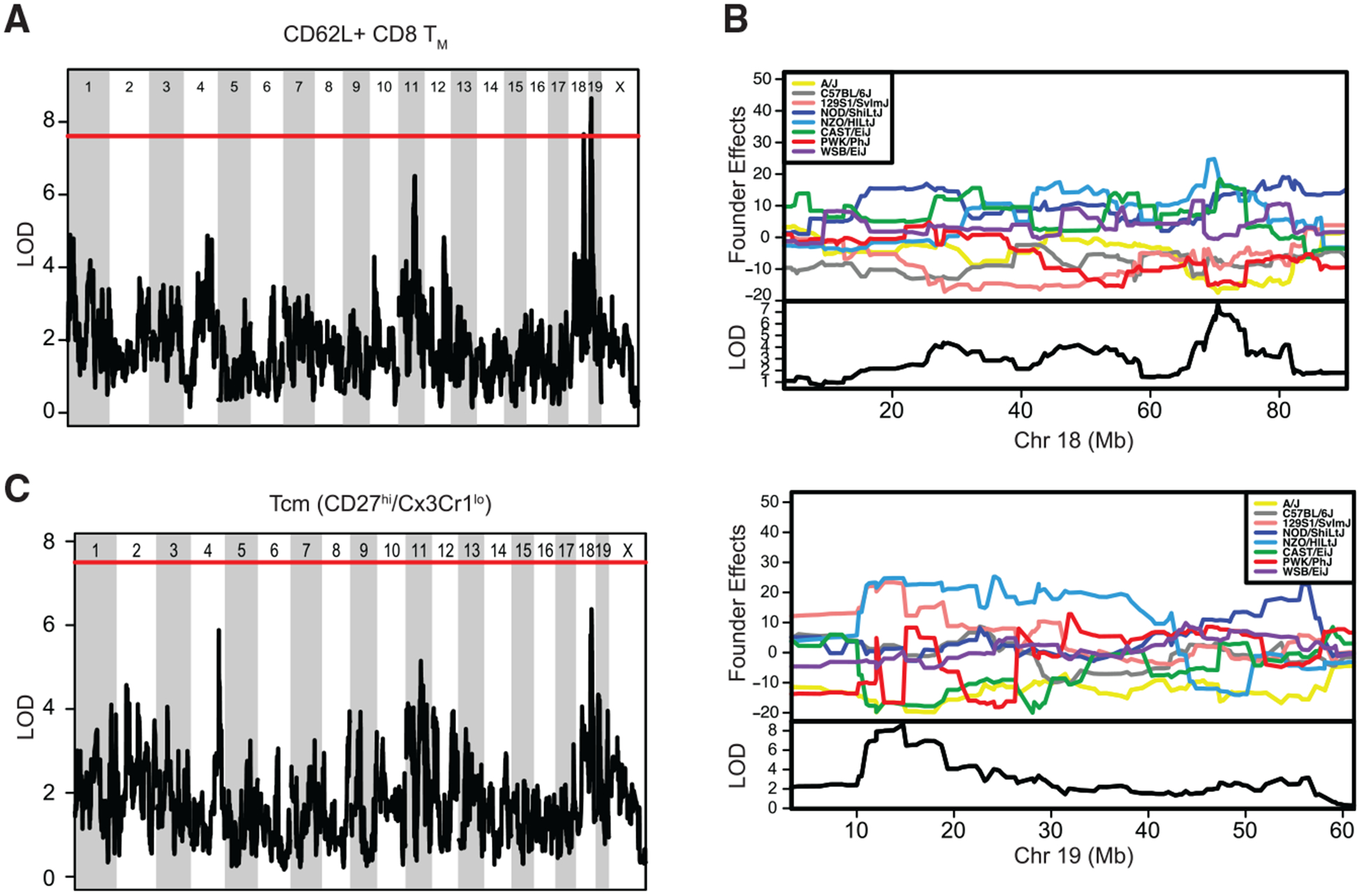
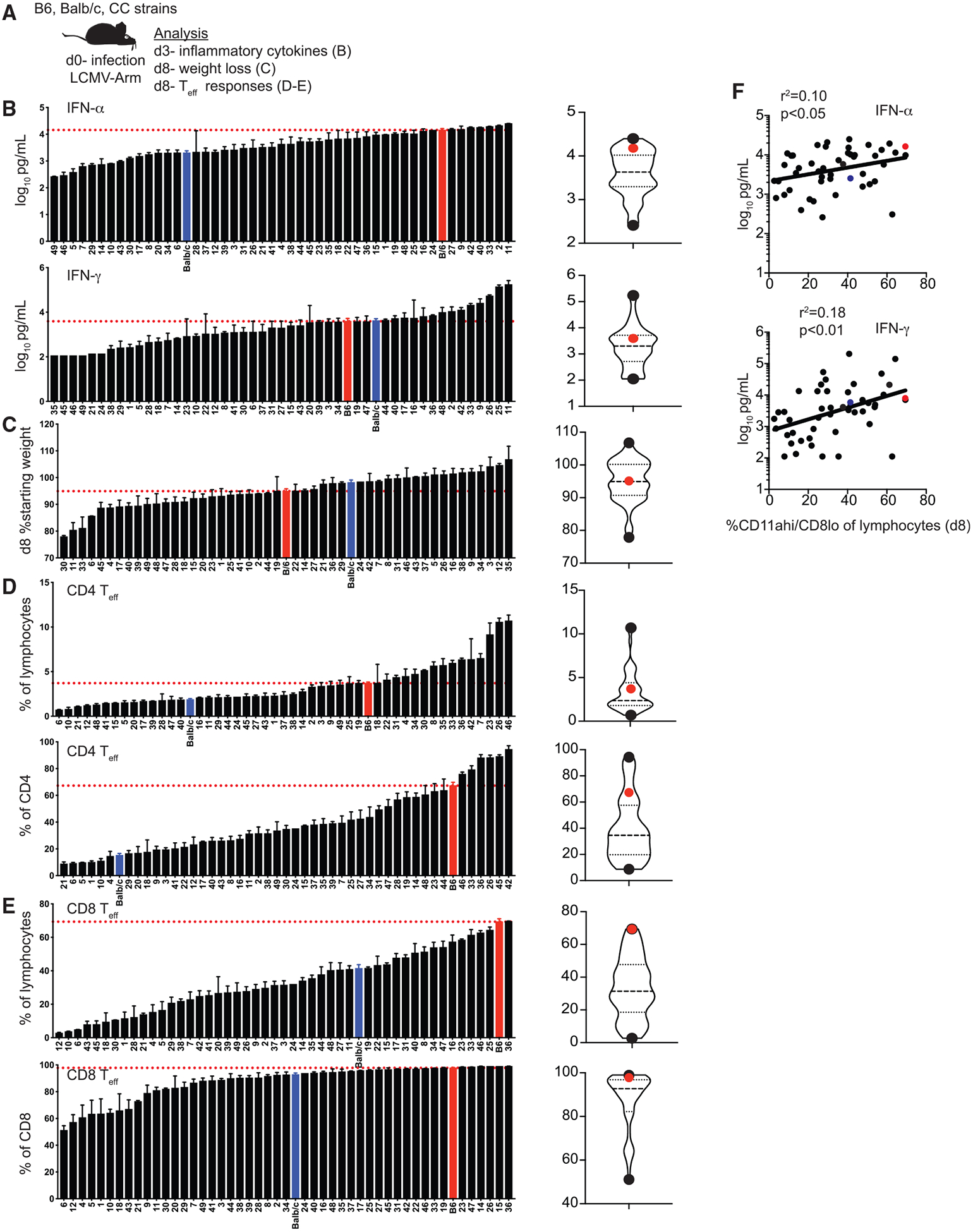
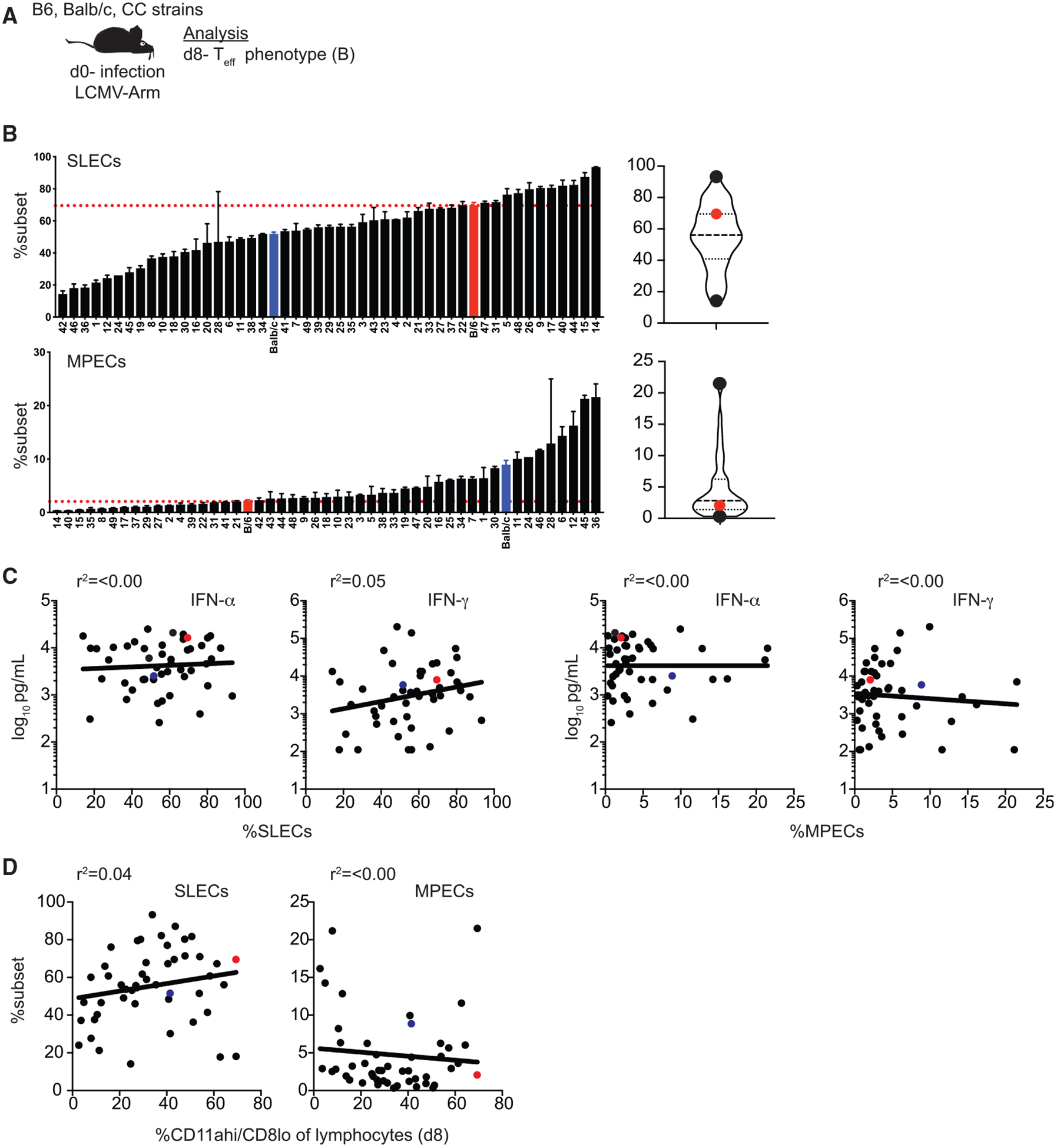
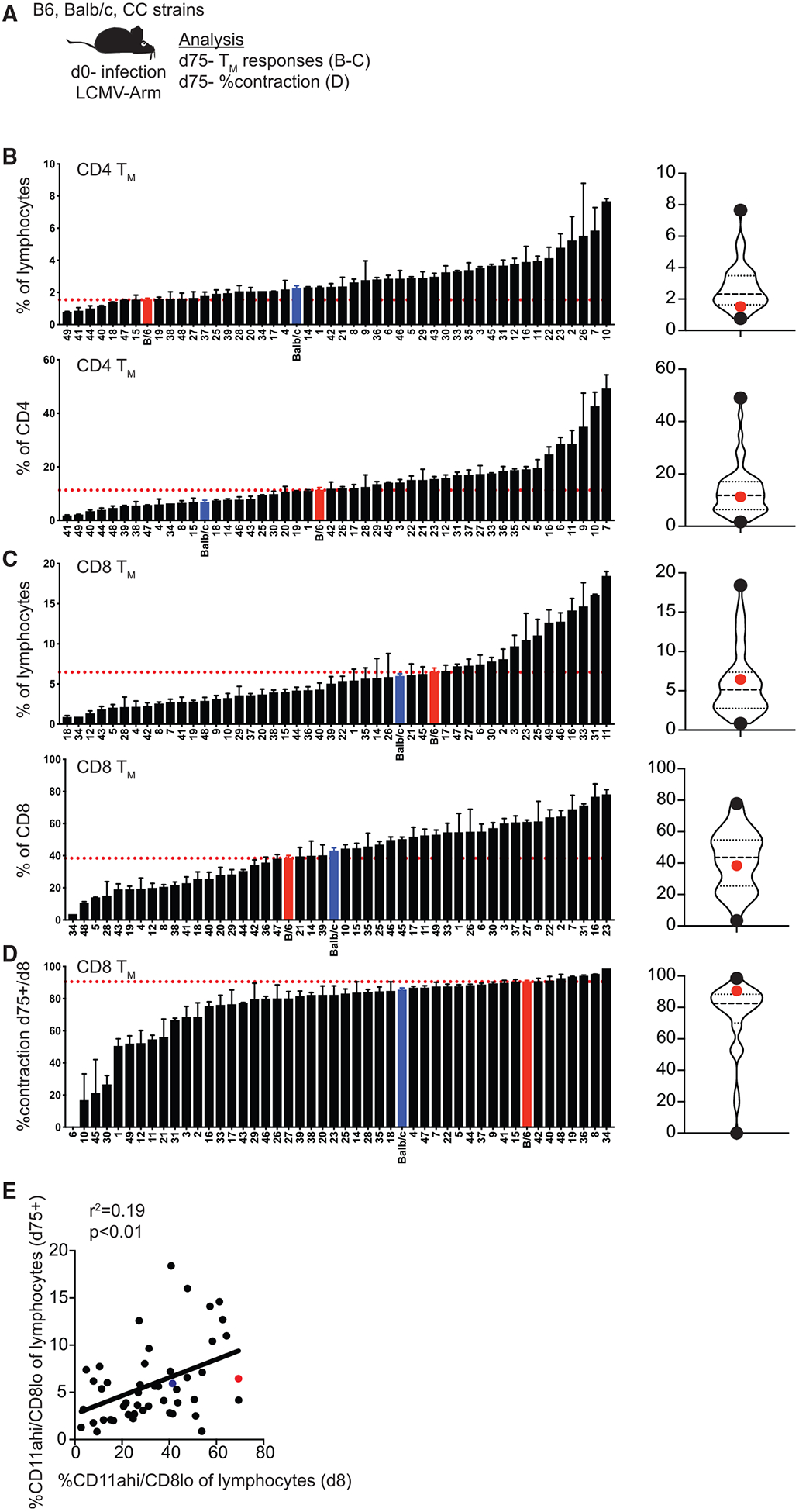
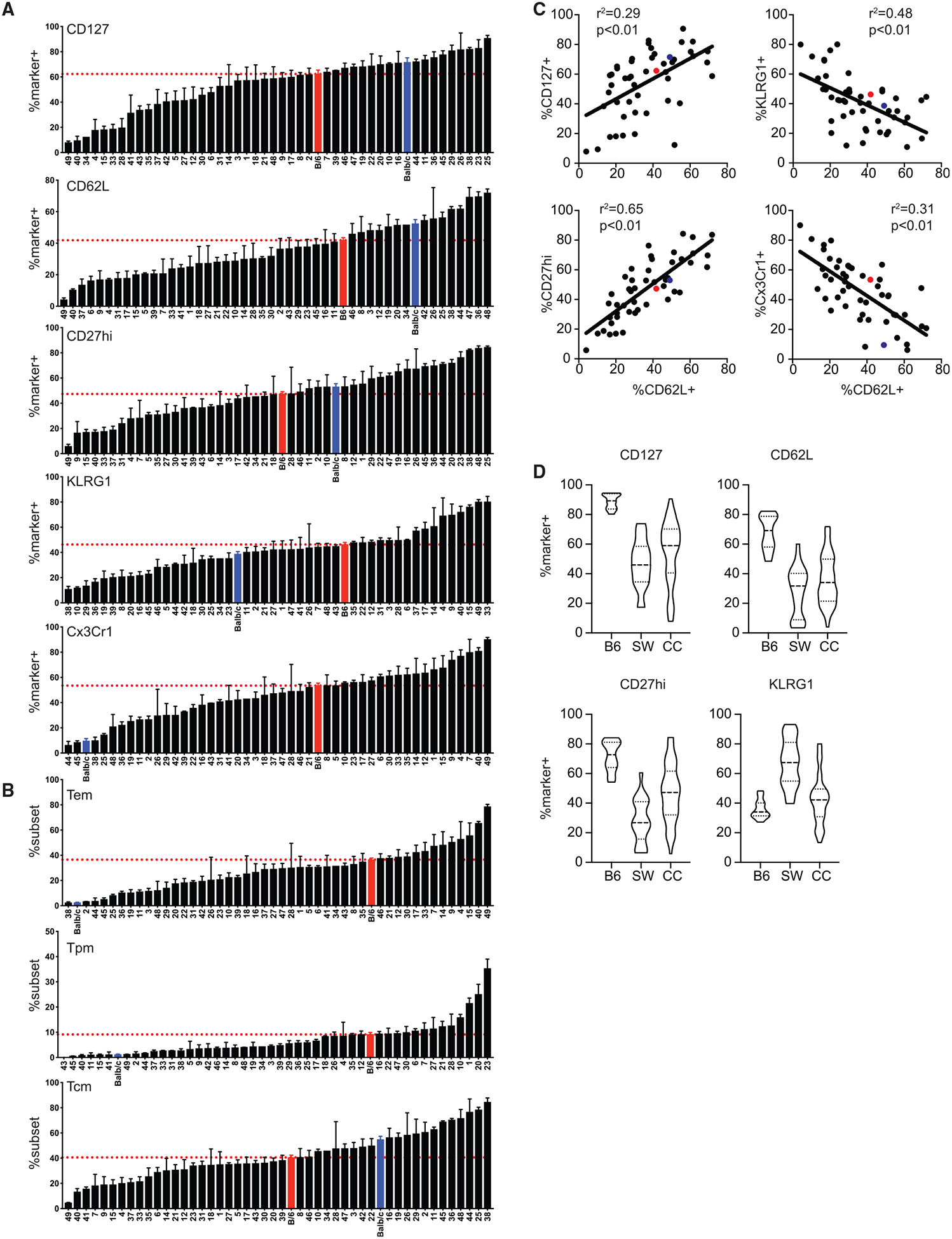
Enhanced host protection against re-infection requires generation of memory T cells of sufficient quantity and functional quality. Unlike well-studied inbred mice, T cell responses of diverse size and quality are generated following infection of humans and outbred mice. Thus, additional models are needed that accurately reflect variation in immune outcomes in genetically diverse populations and to uncover underlying genetic causes. The Collaborative Cross (CC), a large recombinant inbred panel of mice, is an ideal model in this pursuit for the high degree of genetic variation present, because it allows for assessment of genetic factors underlying unique phenotypes. Here, we advance the utility of the CC as a tool to analyze the immune response to viral infection. We describe variability in resting immune cell composition and adaptive immune responses generated among CC strains following systemic virus infection and reveal quantitative trait loci responsible for generation of CD62L+ memory CD8 T cells.
增强宿主对再次感染的保护作用需要产生足够数量和功能质量的记忆 T 细胞。与经过充分研究的近交系小鼠不同,人类和远交系小鼠感染后会产生各种大小和质量的 T 细胞反应。因此,需要额外的模型来准确反映遗传多样性人群中免疫结果的变化,并揭示潜在的遗传原因。在这方面,具有高度遗传多样性的“合作杂交群体”(CC)是一种理想的重组近交系小鼠模型,因为它可以评估独特表型背后的遗传因素。在这里,我们推进了 CC 作为一种工具的使用,以分析对病毒感染的免疫反应。我们描述了在系统性病毒感染后 CC 品系之间静止免疫细胞组成和适应性免疫反应的可变性,并揭示了负责生成 CD62L+记忆 CD8 T 细胞的数量性状基因座。