Karyne Rangel, Curty Lechuga Guilherme, Almeida Souza André Luis, Rangel da Silva Carvalho João Pedro, Simões Villas Bôas Maria Helena, De Simone Salvatore Giovanni
FIOCRUZ, Center for Technological, Development in Health (CDTS)/National, Institute of Science and Technology for Innovation in Neglected Population Diseases (INCT-IDPN), Rio de Janeiro 21040-900, Brazil.
FIOCRUZ, Oswaldo Cruz Institute, Laboratory of Cellular Ultrastructure, Rio de Janeiro 21040-900, Brazil.
Antibiotics (Basel). 2020 Apr 14;9(4):178. doi: 10.3390/antibiotics9040178.
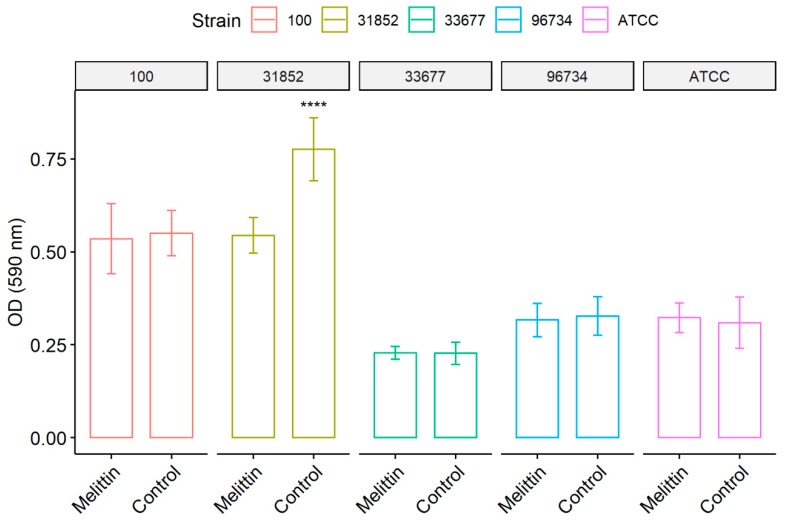
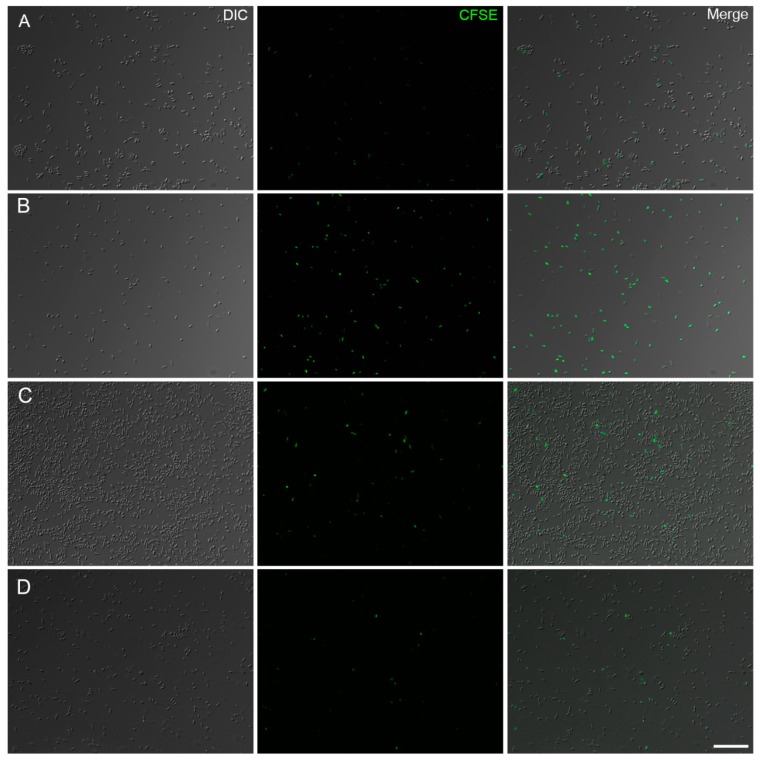
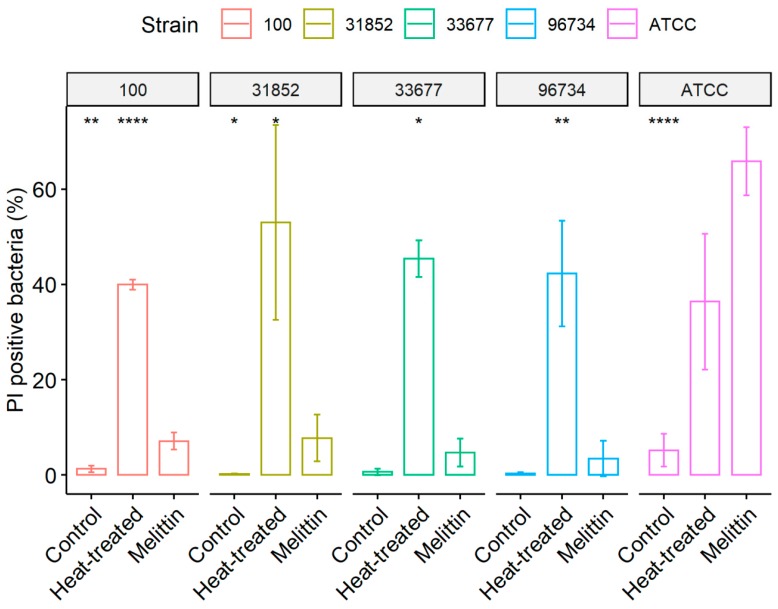
is a prevalent pathogen in hospital settings with increasing importance in infections associated with biofilm production. Due to a rapid increase in its drug resistance and the failure of commonly available antibiotics to treat infections, this bacterium has become a critical public health issue. For these multi-drug resistant , polymyxin antibiotics are considered the only option for the treatment of severe infections. Concerning, several polymyxin-resistant strains have been isolated over the last few years. This study utilized pan drug-resistant (PDR) strains of isolated in Brazil, along with susceptible (S) and extreme drug-resistant (XDR) strains in order to evaluate the in vitro activity of melittin, an antimicrobial peptide, in comparison to polymyxin and another antibiotic, imipenem. From a broth microdilution method, the determined minimum inhibitory concentration showed that S and XDR strains were susceptible to melittin. In contrast, PDR was resistant to all treatments. Treatment with the peptide was also observed to inhibit biofilm formation of a susceptible strain and appeared to cause permanent membrane damage. A subpopulation of PDR showed membrane damage, however, it was not sufficient to stop bacterial growth, suggesting that alterations involved with antibiotic resistance could also influence melittin resistance. Presumably, mutations in the PDR that have arisen to confer resistance to widely used therapeutics also confer resistance to melittin. Our results demonstrate the potential of melittin to be used in the control of bacterial infections and suggest that antimicrobial peptides can serve as the basis for the development of new treatments.
是医院环境中一种普遍存在的病原体,在与生物膜产生相关的感染中越来越重要。由于其耐药性迅速增加,且常用抗生素无法治疗感染,这种细菌已成为一个关键的公共卫生问题。对于这些多重耐药菌,多粘菌素类抗生素被认为是治疗严重感染的唯一选择。令人担忧的是,在过去几年中已分离出几种耐多粘菌素的菌株。本研究利用在巴西分离出的泛耐药(PDR)菌株,以及敏感(S)和广泛耐药(XDR)菌株,以评估抗菌肽蜂毒素与多粘菌素和另一种抗生素亚胺培南相比的体外活性。通过肉汤微量稀释法,测定的最低抑菌浓度表明S和XDR菌株对蜂毒素敏感。相比之下,PDR菌株对所有治疗均耐药。还观察到用该肽治疗可抑制敏感菌株的生物膜形成,并且似乎会导致永久性膜损伤。PDR菌株的一个亚群显示出膜损伤,然而,这不足以阻止细菌生长,这表明与抗生素耐药性相关的改变也可能影响对蜂毒素的耐药性。据推测,PDR菌株中出现的赋予对广泛使用的治疗药物耐药性的突变也赋予了对蜂毒素的耐药性。我们的结果证明了蜂毒素在控制细菌感染方面的潜力,并表明抗菌肽可作为开发新治疗方法的基础。