Tumor Immunotherapy Program, Campbell Family Institute for Breast Cancer Research, Princess Margaret Cancer Centre, University Health Network, Toronto, Canada.
Princess Margaret Cancer Centre, University Health Network, Toronto, Canada.
Elife. 2020 Apr 21;9:e53244. doi: 10.7554/eLife.53244.
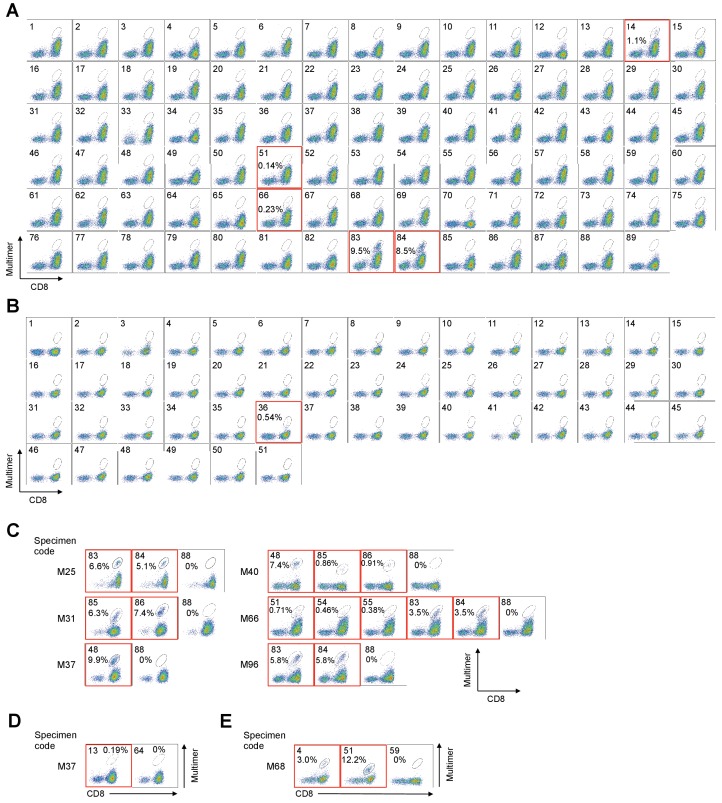
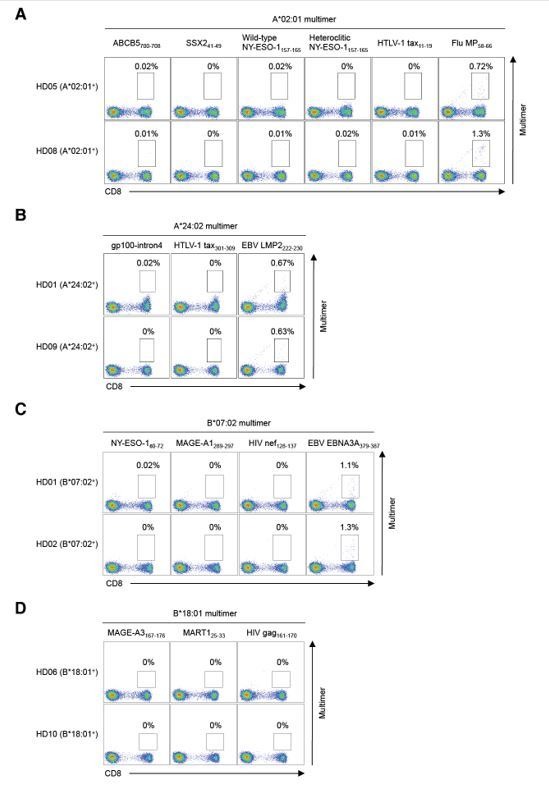
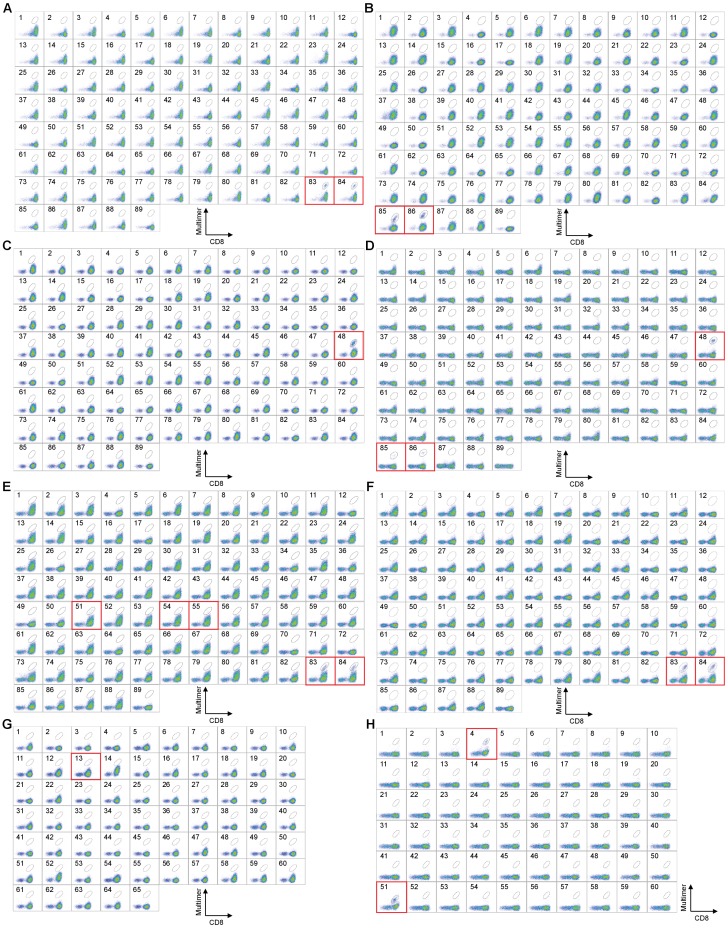
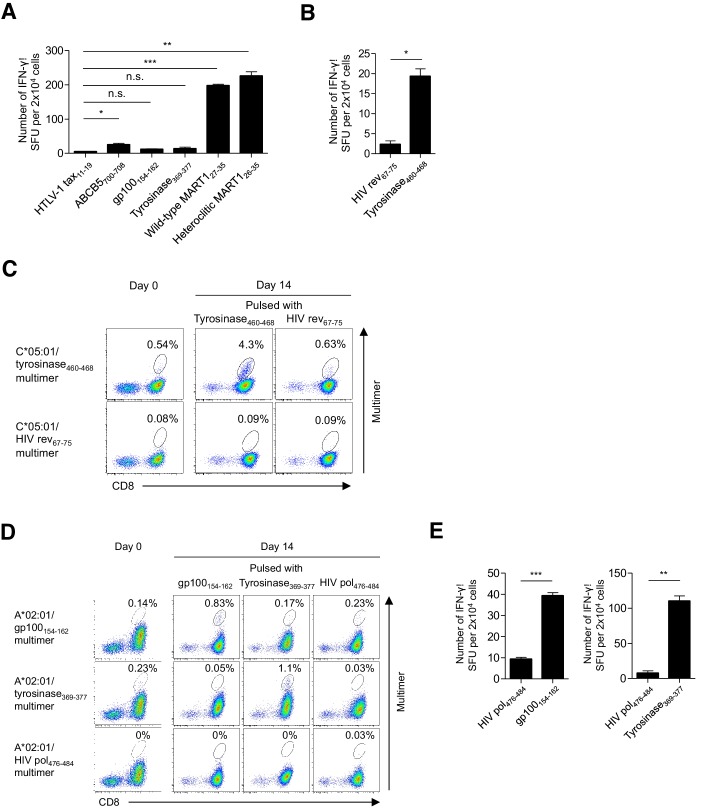
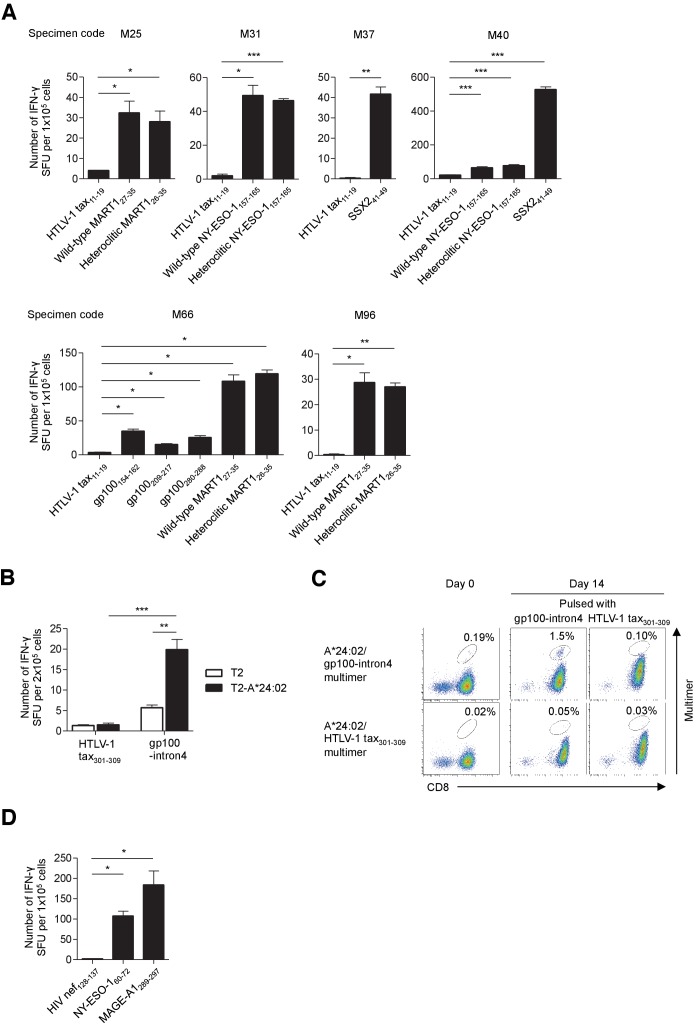
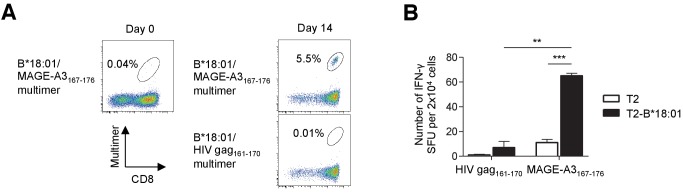
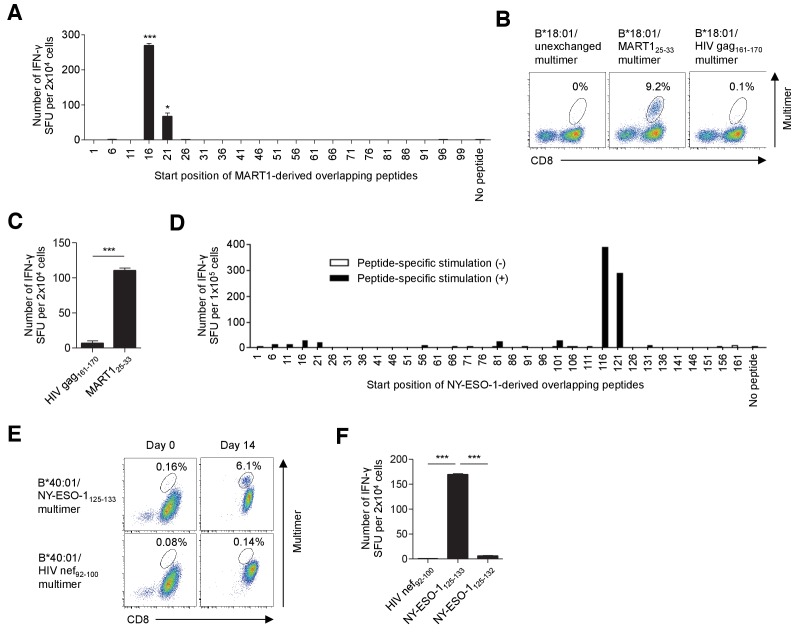
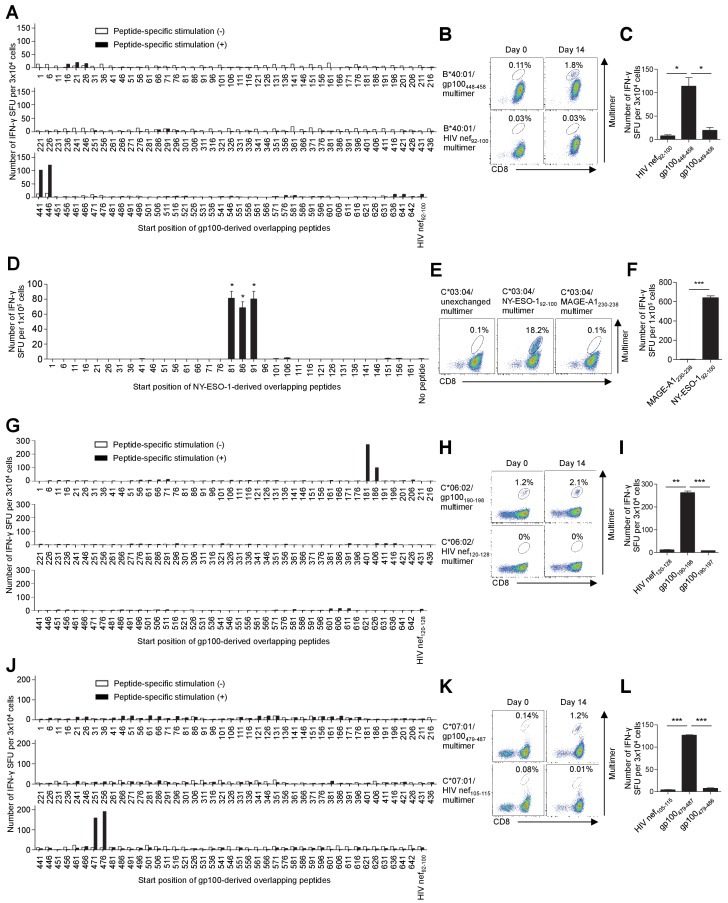
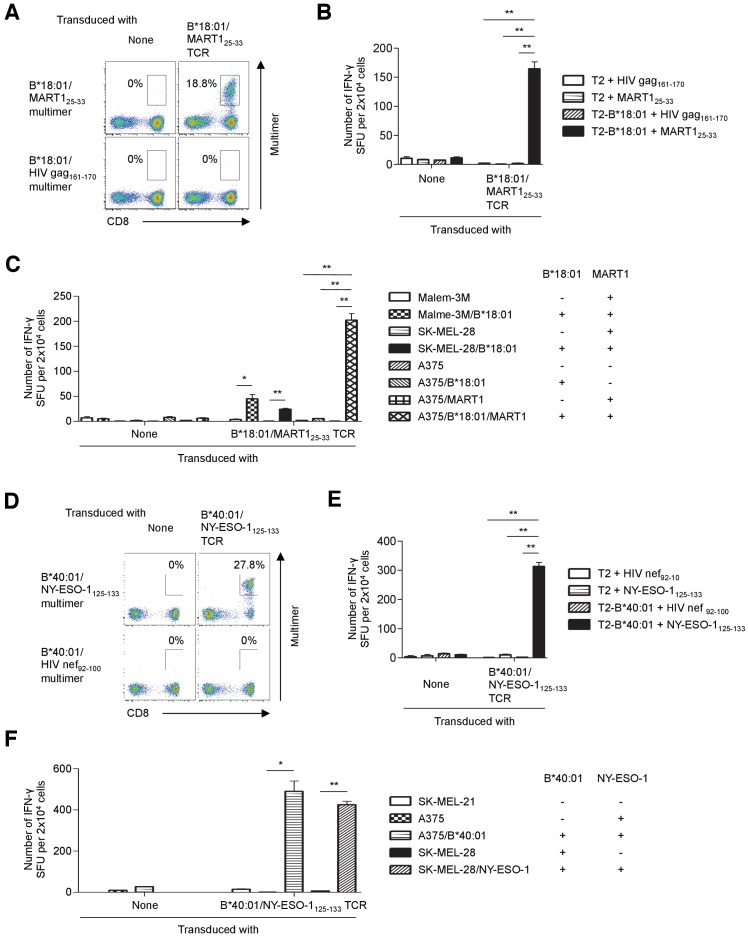
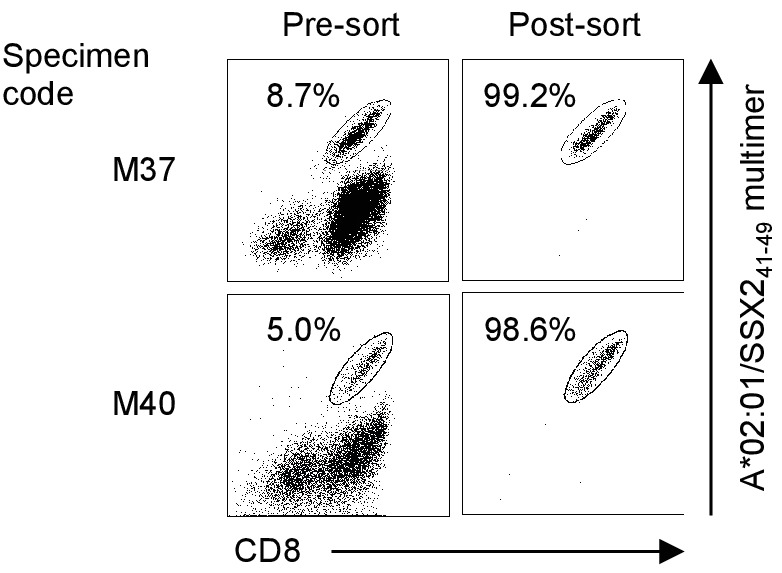
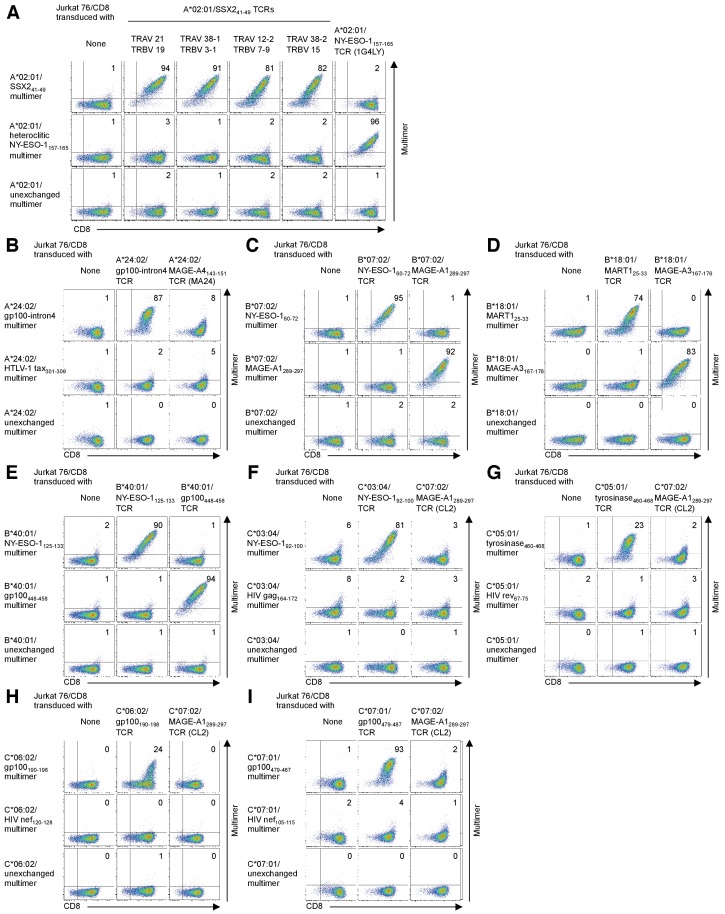
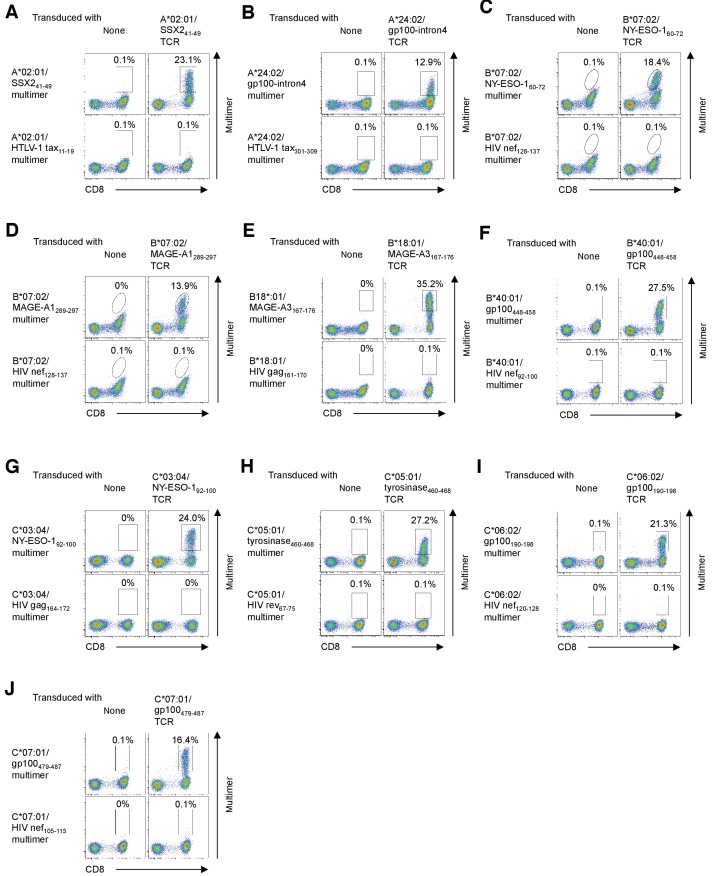
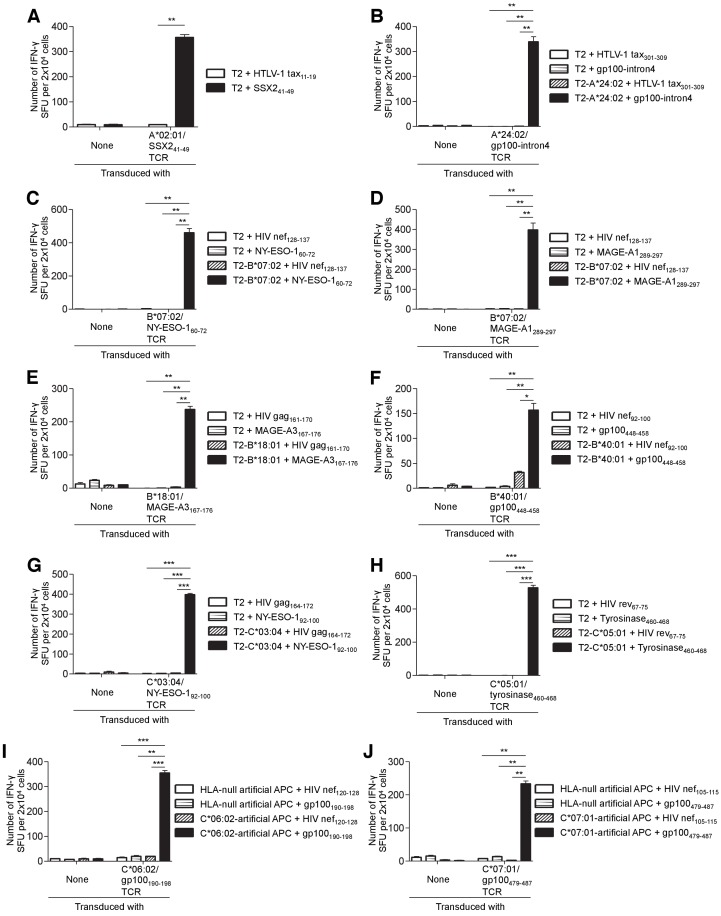
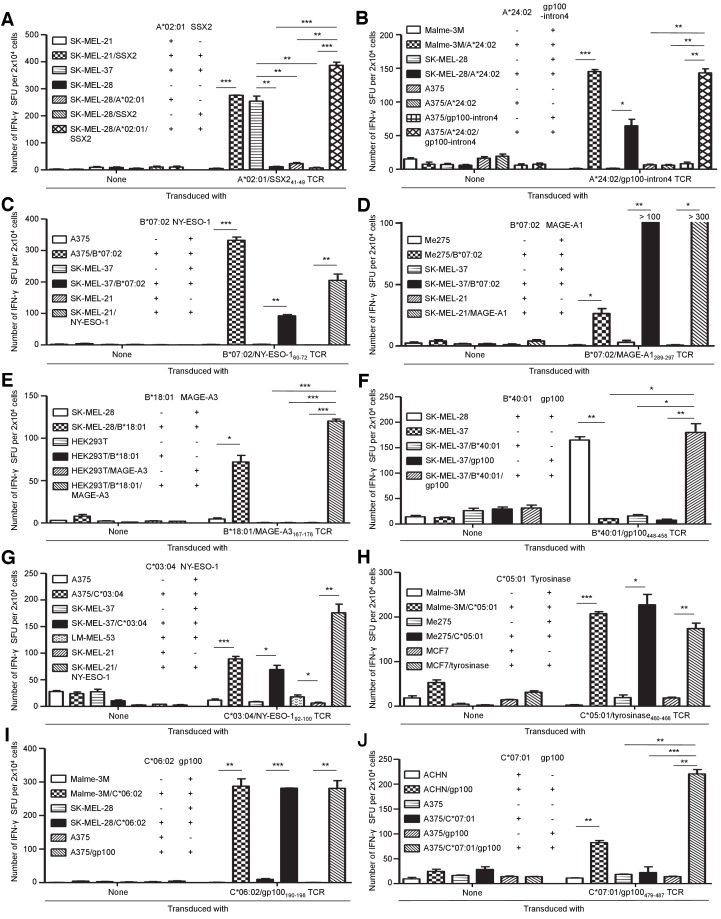
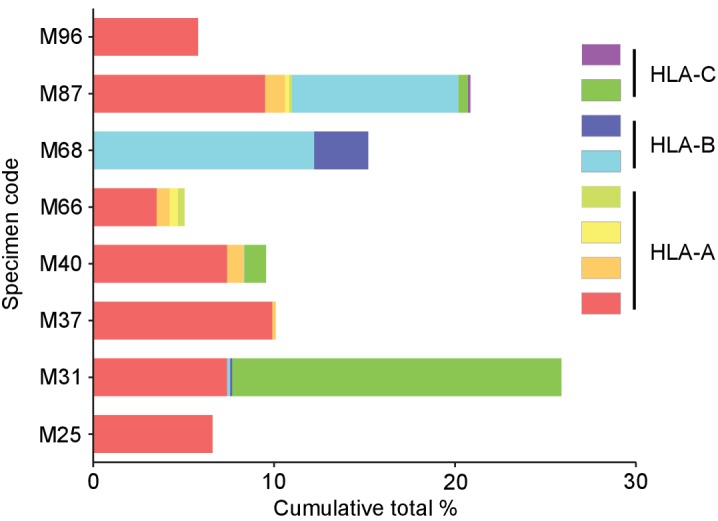
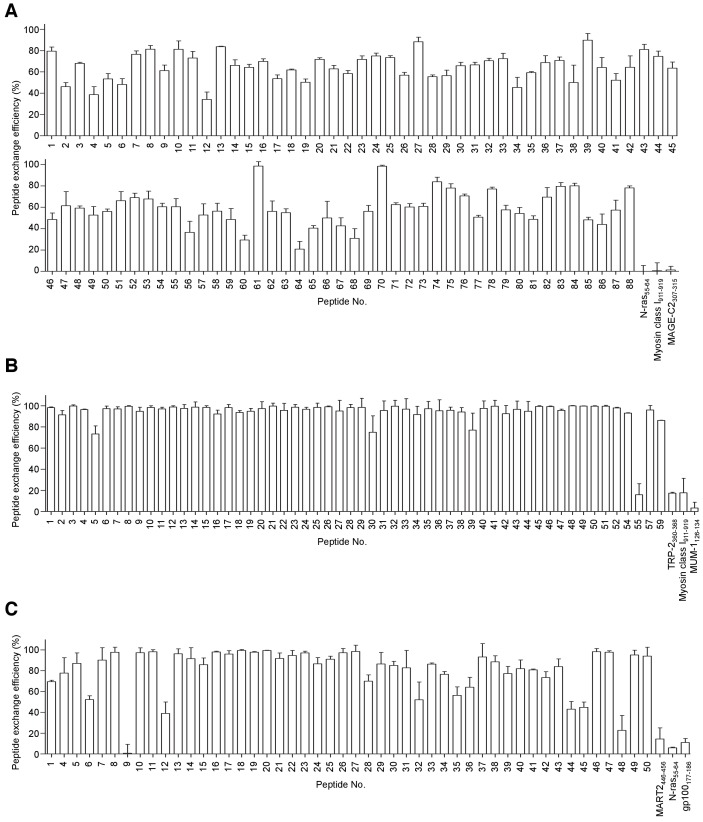
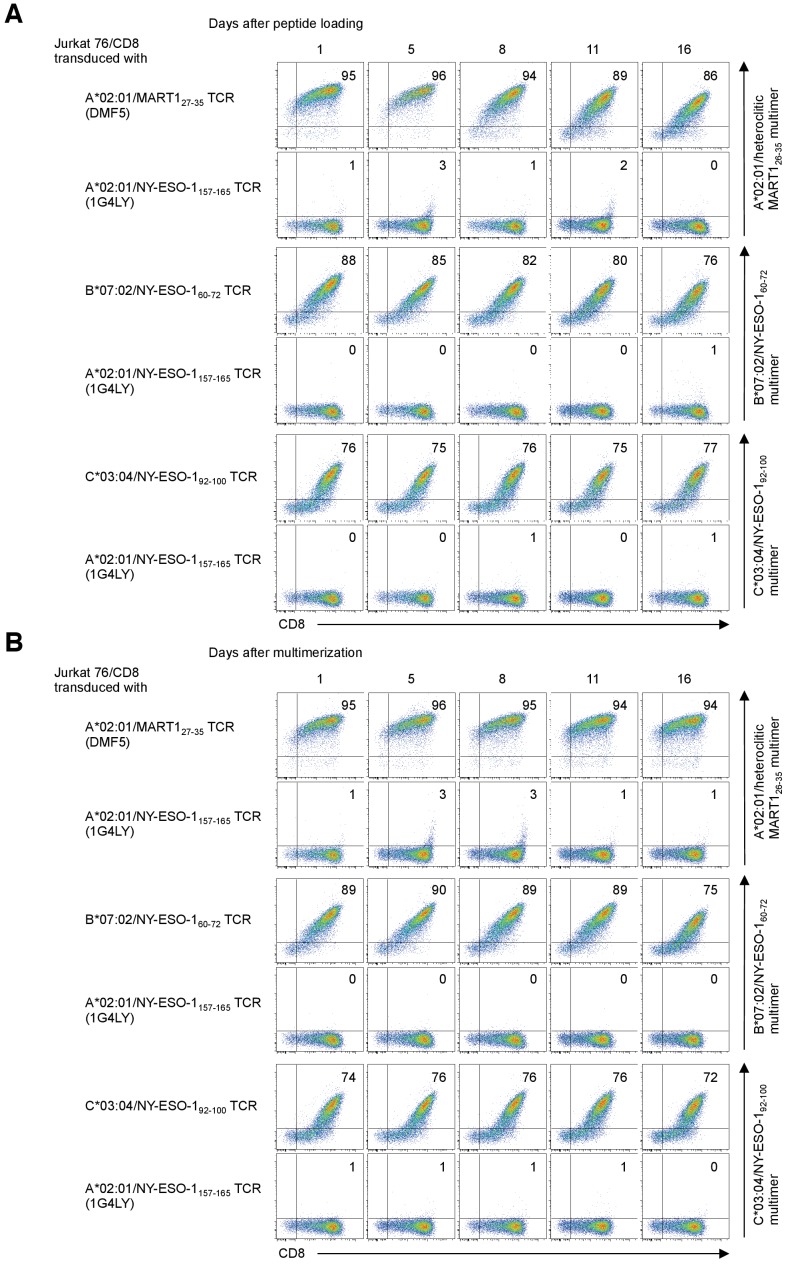
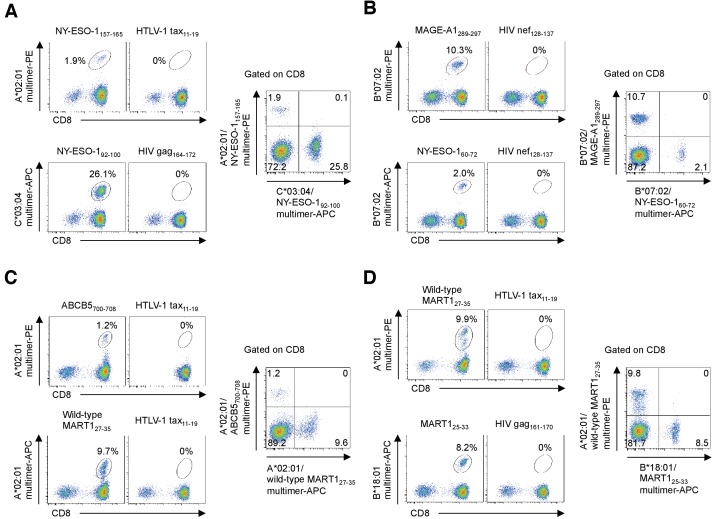
HLA-restricted T cell responses can induce antitumor effects in cancer patients. Previous human T cell research has largely focused on the few HLA alleles prevalent in a subset of ethnic groups. Here, using a panel of newly developed peptide-exchangeable peptide/HLA multimers and artificial antigen-presenting cells for 25 different class I alleles and greater than 800 peptides, we systematically and comprehensively mapped shared antigenic epitopes recognized by tumor-infiltrating T lymphocytes (TILs) from eight melanoma patients for all their class I alleles. We were able to determine the specificity, on average, of 12.2% of the TILs recognizing a mean of 3.1 shared antigen-derived epitopes across HLA-A, B, and C. Furthermore, we isolated a number of cognate T cell receptor genes with tumor reactivity. Our novel strategy allows for a more complete examination of the immune response and development of novel cancer immunotherapy not limited by HLA allele prevalence or tumor mutation burden.
HLA 限制性 T 细胞反应可在癌症患者中诱导抗肿瘤作用。以前的人类 T 细胞研究主要集中在少数在亚群中流行的 HLA 等位基因上。在这里,我们使用一组新开发的可交换肽/HLA 多聚体和人工抗原呈递细胞,针对 25 种不同的 I 类等位基因和超过 800 种肽,系统而全面地绘制了来自 8 名黑色素瘤患者的肿瘤浸润性 T 淋巴细胞 (TIL) 识别的共享抗原表位图谱。我们能够确定 12.2%的 TIL 的特异性,平均识别 HLA-A、B 和 C 上 3.1 个共享抗原衍生的表位。此外,我们还分离出了一些具有肿瘤反应性的同源 T 细胞受体基因。我们的新策略允许更全面地检查免疫反应,并开发不受 HLA 等位基因流行或肿瘤突变负担限制的新型癌症免疫疗法。