Nuzzo Domenico, Galizzi Giacoma, Amato Antonella, Terzo Simona, Picone Pasquale, Cristaldi Laura, Mulè Flavia, Di Carlo Marta
Istituto per la Ricerca e l'Innovazione Biomedica (IRIB), CNR, Via Ugo La Malfa 153, 90146 Palermo, Italy.
Dipartimento di Scienze e Tecnologie Biologiche Chimiche e Farmaceutiche (STEBICEF) viale delle Scienze, 90128 Palermo, Italy.
Antioxidants (Basel). 2020 Apr 15;9(4):317. doi: 10.3390/antiox9040317.
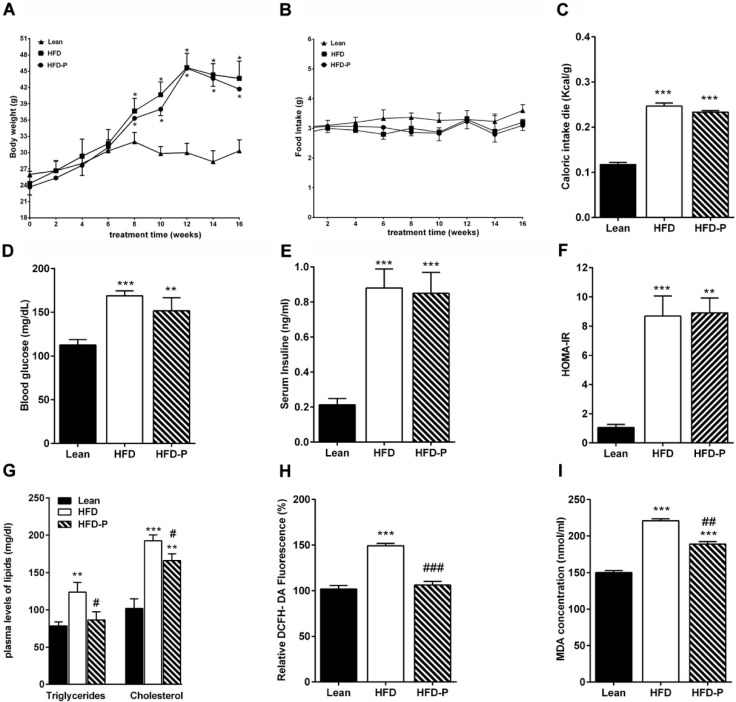
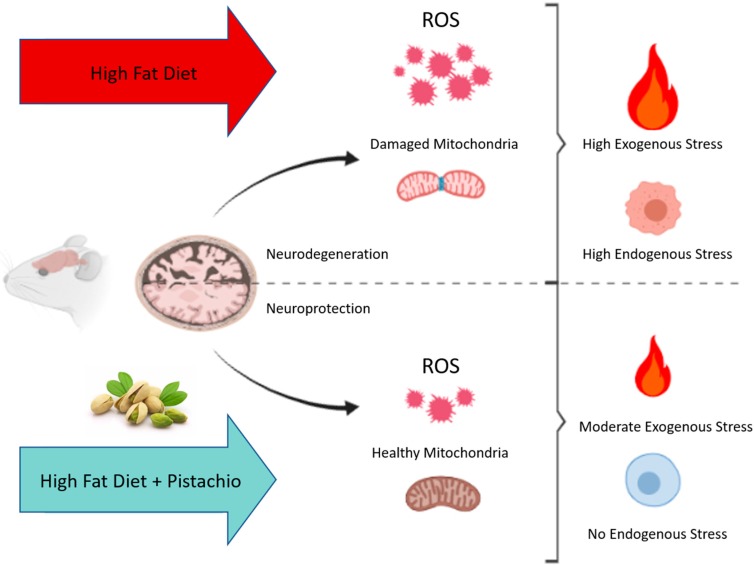
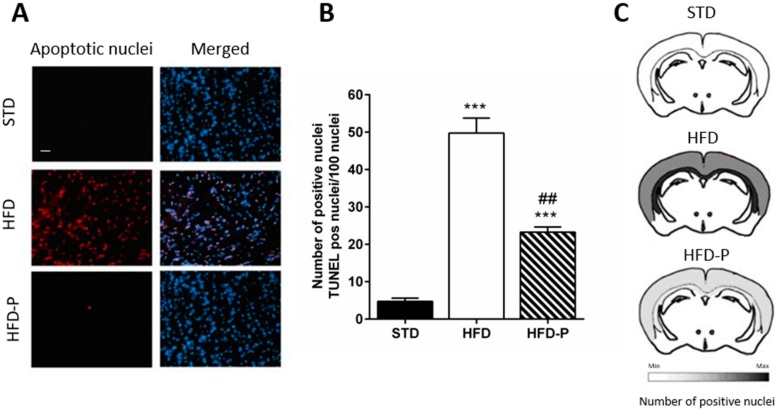
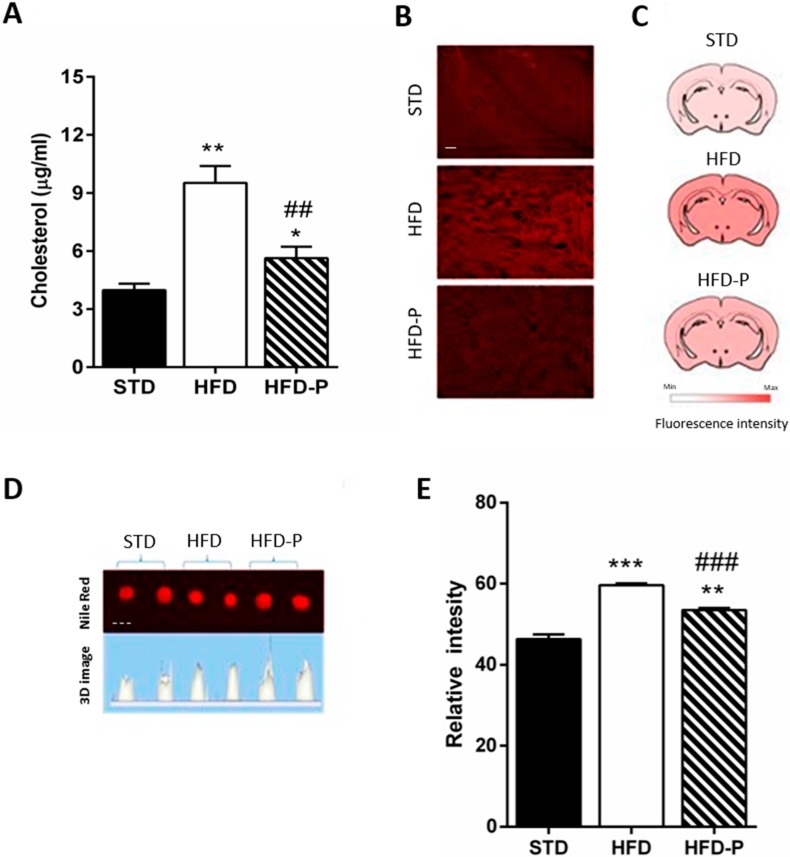
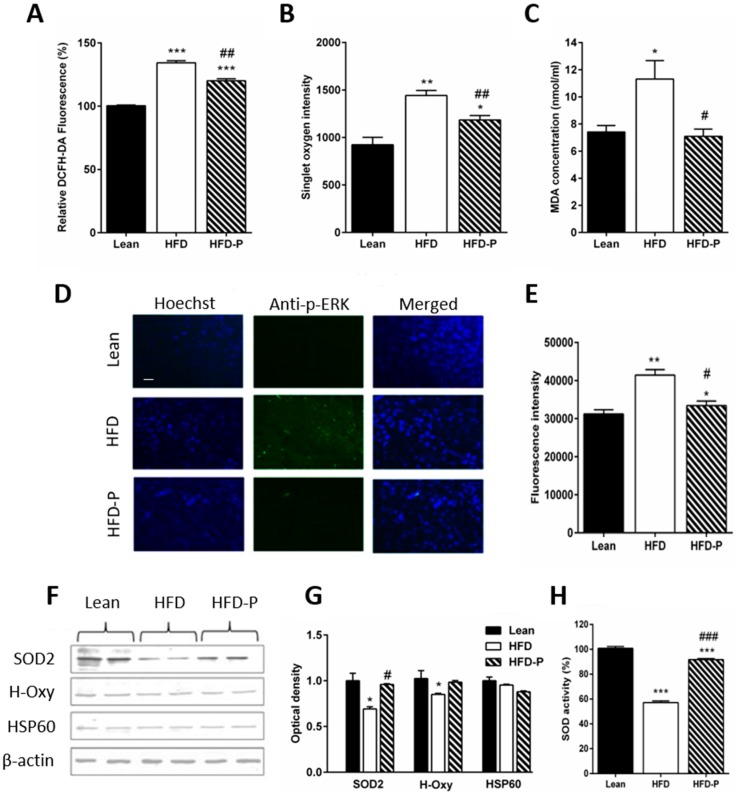
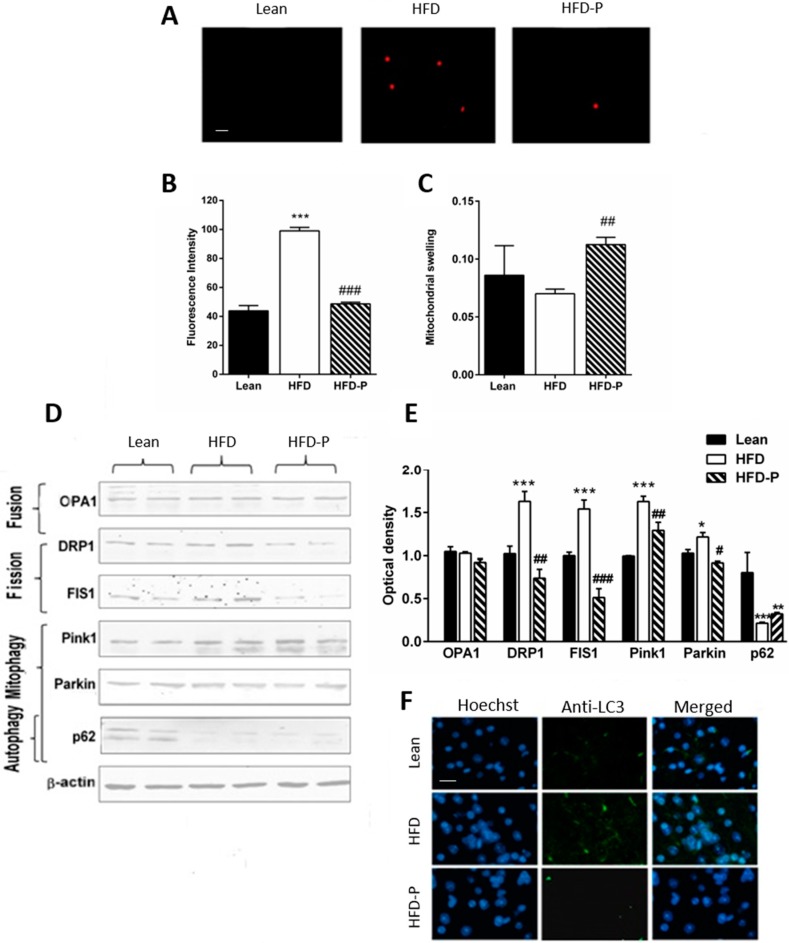
:Obesity has been associated with neurodegeneration and cognitive dysfunctions. Recent data showed that pistachio consumption is able to prevent and ameliorate dyslipidemia, hepatic steatosis, systemic and adipose tissue inflammation in mice fed a high-fat diet (HFD). The present study investigated the neuroprotective effects of pistachio intake in HFD mice. Three groups of mice were fed a standard diet (STD), HFD, or HFD supplemented with pistachio (HFD-P) for 16 weeks. Metabolic parameters (oxidative stress, apoptosis, and mitochondrial dysfunction) were analyzed by using specific assays and biomarkers. The pistachio diet significantly reduced the serum levels of triglycerides and cholesterol in the HFD model. No difference was observed in the index of insulin resistance between HFD and HFD-P. A higher number of fragmented nuclei were found in HFD cerebral cortex compared to STD and HFD-P. A decrease in reactive oxygen species, singlet oxygen and phosphorylated extracellular signal-regulated kinase, and an increase of superoxide dismutase 2 and heme oxygenase expression were found in the brains of the HFD-P samples compared to HFD. Furthermore, the impaired mitochondrial function found in HFD brain was partially recovered in HFD-P mice. These results suggest that the regular intake of pistachio may be useful in preventing obesity-related neurodegeneration, being able to reduce both metabolic and cellular dysfunctions.
肥胖与神经退行性变和认知功能障碍有关。最近的数据表明,食用开心果能够预防和改善高脂饮食(HFD)喂养小鼠的血脂异常、肝脂肪变性、全身和脂肪组织炎症。本研究调查了食用开心果对HFD小鼠的神经保护作用。三组小鼠分别喂食标准饮食(STD)、HFD或添加开心果的HFD(HFD-P)16周。通过使用特定的检测方法和生物标志物分析代谢参数(氧化应激、细胞凋亡和线粒体功能障碍)。开心果饮食显著降低了HFD模型中的甘油三酯和胆固醇血清水平。HFD和HFD-P之间的胰岛素抵抗指数没有差异。与STD和HFD-P相比,HFD大脑皮层中发现的碎片化细胞核数量更多。与HFD相比,HFD-P样本的大脑中活性氧、单线态氧和磷酸化细胞外信号调节激酶减少,超氧化物歧化酶2和血红素加氧酶表达增加。此外,HFD-P小鼠大脑中发现的线粒体功能受损部分得到恢复。这些结果表明,经常食用开心果可能有助于预防肥胖相关的神经退行性变,能够减少代谢和细胞功能障碍。