The Mobile Emergency Care Unit, Department of Anaesthesiology and Intensive Care, Odense University Hospital, Odense, Denmark.
The Prehospital Research Unit, Region of Southern Denmark, Odense University Hospital, Odense, Denmark.
Neurocrit Care. 2020 Aug;33(1):273-282. doi: 10.1007/s12028-020-00975-7.
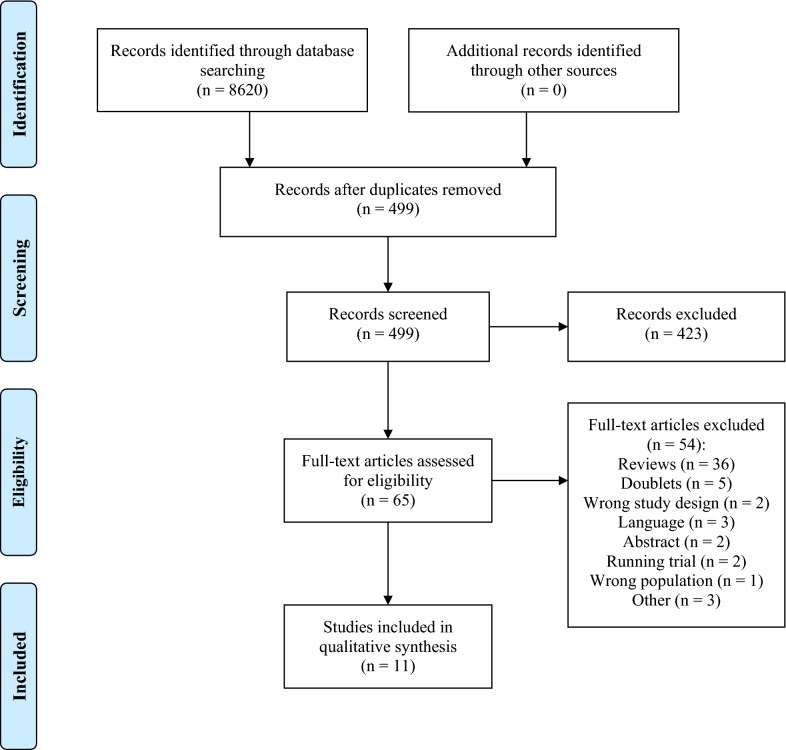
For years, the use of ketamine as an anesthetic to patients suffering from acute brain injury has been debated because of its possible deleterious effects on the cerebral circulation and thus on the cerebral perfusion. Early studies suggested that ketamine could increase the intracranial pressure thus lowering the cerebral perfusion and hence reduce the oxygen supply to the injured brain. However, more recent studies are less conclusive and might even indicate that patients with acute brain injury could benefit from ketamine sedation. This systematic review summarizes the evidence regarding the use of ketamine in patients suffering from traumatic brain injury. Databases were searched for studies using ketamine in acute brain injury. Outcomes of interest were mortality, intracranial pressure, cerebral perfusion pressure, blood pressure, heart rate, spreading depolarizations, and neurological function. In total 11 studies were included. The overall level of evidence concerning the use of ketamine in brain injury is low. Only two studies found a small increase in intracranial pressure, while two small studies found decreased levels of intracranial pressure following ketamine administration. We found no evidence of harm during ketamine use in patients suffering from acute brain injury.
多年来,由于氯胺酮可能对脑循环产生有害影响,进而对脑灌注产生影响,因此一直存在将其用于治疗急性脑损伤患者的麻醉的争议。早期的研究表明,氯胺酮可能会增加颅内压,从而降低脑灌注,进而减少对受损大脑的氧气供应。然而,最近的研究结果并不那么确定,甚至可能表明急性脑损伤患者可能会从氯胺酮镇静中受益。本系统综述总结了氯胺酮在创伤性脑损伤患者中应用的证据。检索了使用氯胺酮治疗急性脑损伤的研究数据库。关注的结局指标包括死亡率、颅内压、脑灌注压、血压、心率、扩散性去极化和神经功能。共纳入 11 项研究。关于氯胺酮在脑损伤中应用的总体证据水平较低。只有两项研究发现颅内压略有升高,而两项小型研究发现氯胺酮给药后颅内压降低。我们没有发现急性脑损伤患者使用氯胺酮期间出现不良后果的证据。