School of Tropical Medicine and Global Health (TMGH), Nagasaki University, Nagasaki, Japan.
Department of Clinical Research, London School of Hygiene and Tropical Medicine Faculty of Infectious and Tropical Diseases, London, UK.
BMJ Glob Health. 2020 Apr 2;5(4):e002094. doi: 10.1136/bmjgh-2019-002094. eCollection 2020.
We systematically reviewed the evidence on how primary healthcare workers obtain information during consultations to support decision-making for prescribing in low and lower middle-income countries.
We searched electronic databases, consulted the Healthcare Information For All network, hand searched reference lists, ran citation searches of included studies and emailed authors of identified papers. Two reviewers extracted data and appraised quality with relevant tools.
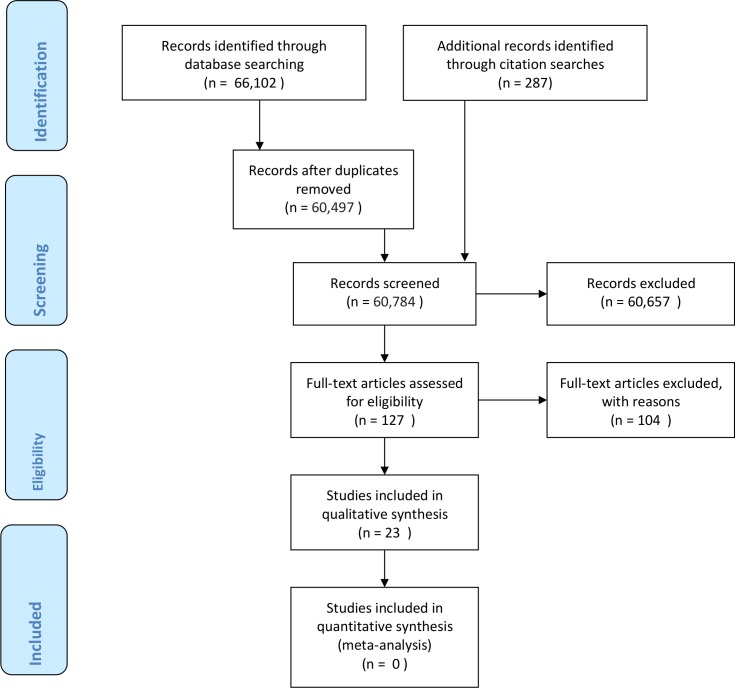
Of 60 497 records found, 23 studies met our inclusion criteria. Fourteen studies were observational and nine were interventional. Frequently mentioned sources of information were books, leaflets, guidelines, aids and the internet. These sources were sometimes out of date and health workers reported being confused which to use. Internet access varied and even when it was available, use was limited by technical issues. Of the five electronic tools that were assessed, four had positive outcomes. Tools assisted prescribers with medicine selection and dosage calculations, which increased prescribing accuracy. The quality of reporting varied but was overall low.
Studies indicated a lack of up-to-date and relevant medicine information in low and lower middle-income settings. Internet-based sources appeared to be useful when it is possible to download content for offline use and to update when there is internet access. Electronic tools showed promise, but their accuracy needs to be validated and they should focus on giving actionable advice to guide prescribers.
CRD42018091088.
我们系统地回顾了初级保健工作者在咨询中获取信息以支持在中低收入国家开处方决策的证据。
我们搜索了电子数据库,咨询了全民医疗保健信息网络,手动搜索参考文献,对纳入研究进行了引文搜索,并向已确定论文的作者发送了电子邮件。两名审查员使用相关工具提取数据并评估质量。
在 60497 条记录中,有 23 项研究符合我们的纳入标准。其中 14 项为观察性研究,9 项为干预性研究。经常提到的信息来源包括书籍、传单、指南、辅助工具和互联网。这些资源有时已经过时,卫生工作者报告说他们不知道该使用哪一个。互联网的使用情况各不相同,即使可以使用,也会受到技术问题的限制。在所评估的五个电子工具中,有四个具有积极的结果。这些工具帮助医生选择药物和计算剂量,从而提高了开处方的准确性。报告的质量参差不齐,但总体较低。
研究表明,在中低收入国家,药品信息缺乏及时性和相关性。基于互联网的资源在可以下载离线使用的内容以及在有互联网接入时进行更新时似乎很有用。电子工具显示出了前景,但它们的准确性需要验证,而且应该侧重于提供可行的建议来指导医生。
PROSPERO 注册号:CRD42018091088。