D'Oronzo Stella, Silvestris Erica, Paradiso Angelo, Cives Mauro, Tucci Marco
Department of Biomedical Sciences and Human Oncology, University of Bari Aldo Moro, 70124 Bari, Italy.
IRCCS Istituto Tumori "Giovanni Paolo II", 70124 Bari, Italy.
Int J Mol Sci. 2020 Apr 24;21(8):3022. doi: 10.3390/ijms21083022.
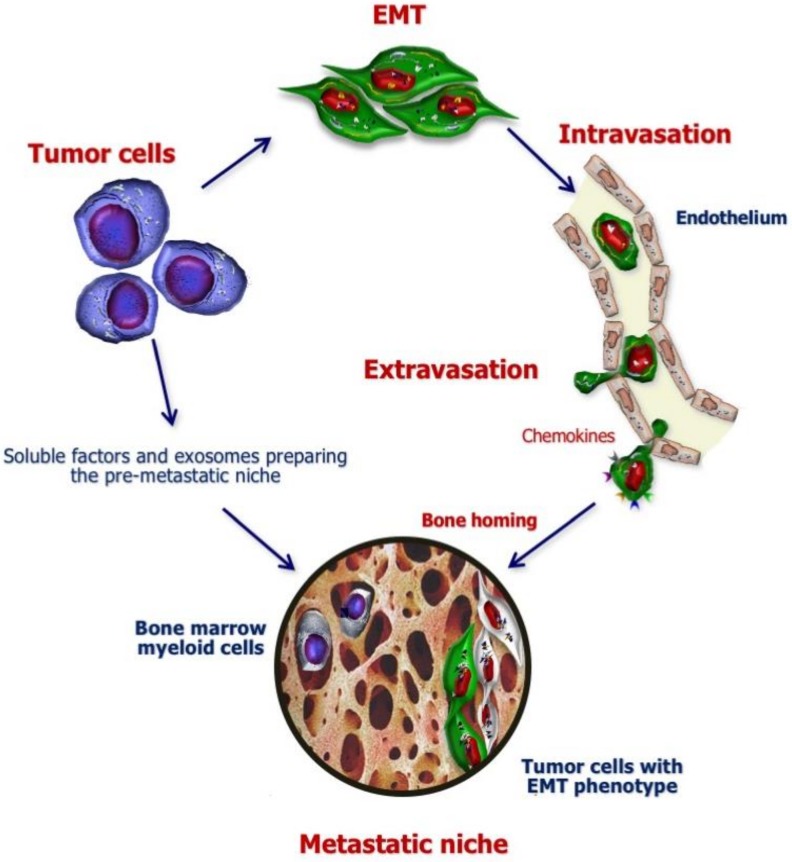
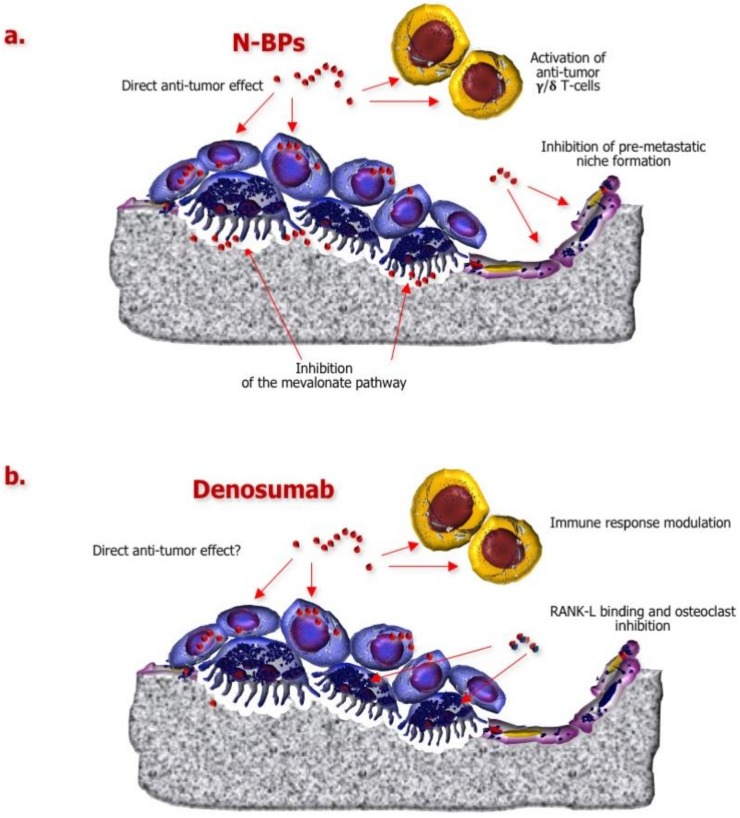
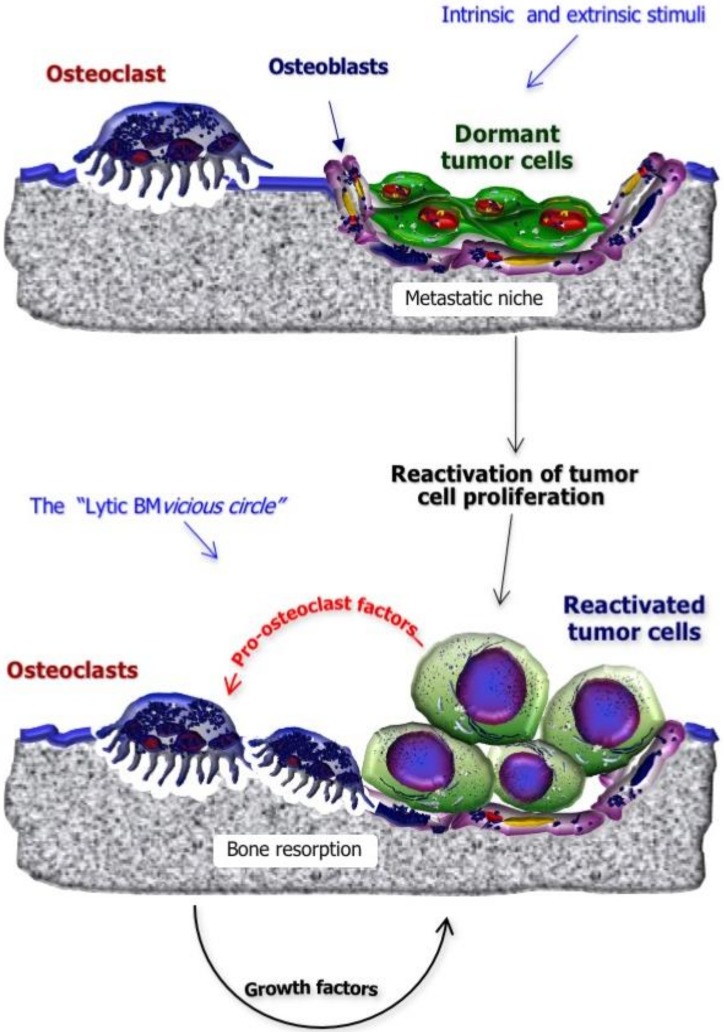
Breast cancer (BC) is the most common malignancy in women worldwide and leads, in more than 70% of patients with advanced disease, to skeleton colonization and formation of bone metastases (BM). This condition implies a severe disability and deterioration of the quality of life, with consequent additional social costs. In recent decades, several studies explored the role of agents acting within the bone microenvironment to counteract BM development, and several bone-targeting agents (BTAs) have been introduced in the clinical practice to manage bone lesions and reduce the risk of skeletal complications. However, long-term exposure to these agents is not free from potential toxicities and needs careful monitoring. In this context, the potential capability to prevent BM onset in selected BC patients, through the early administration of BTAs, has been explored by several researchers, with the belief that "prevention is better than cure" and that, ultimately, metastatic BC is an incurable condition. Here, we revised the mechanisms of BM development in BC as well as the strategies for selecting high-risk patients suitable for early BTA treatment.
乳腺癌(BC)是全球女性中最常见的恶性肿瘤,在超过70%的晚期疾病患者中会导致骨骼定植和骨转移(BM)的形成。这种情况意味着严重的残疾和生活质量的下降,随之而来的是额外的社会成本。近几十年来,多项研究探讨了作用于骨微环境以对抗BM发展的药物的作用,并且几种骨靶向药物(BTA)已被引入临床实践以管理骨病变并降低骨骼并发症的风险。然而,长期接触这些药物并非没有潜在毒性,需要仔细监测。在这种背景下,一些研究人员探索了通过早期给予BTA来预防特定BC患者发生BM的潜在能力,他们相信“预防胜于治疗”,并且最终,转移性BC是一种无法治愈的疾病。在此,我们修订了BC中BM发展的机制以及选择适合早期BTA治疗的高危患者的策略。