Ding Siyuan, Liang T Jake
Department of Molecular Microbiology, Washington University in St Louis, St Louis, Missouri.
Liver Diseases Branch, National Institute of Diabetes and Digestive and Kidney Diseases, National Institutes of Health, Bethesda, Maryland.
Gastroenterology. 2020 Jul;159(1):53-61. doi: 10.1053/j.gastro.2020.04.052. Epub 2020 Apr 27.
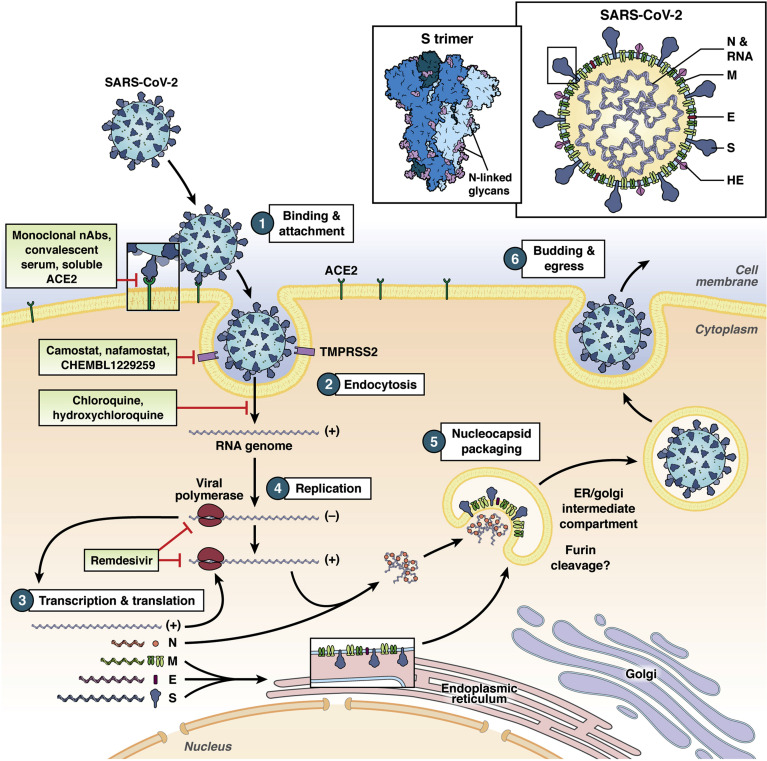
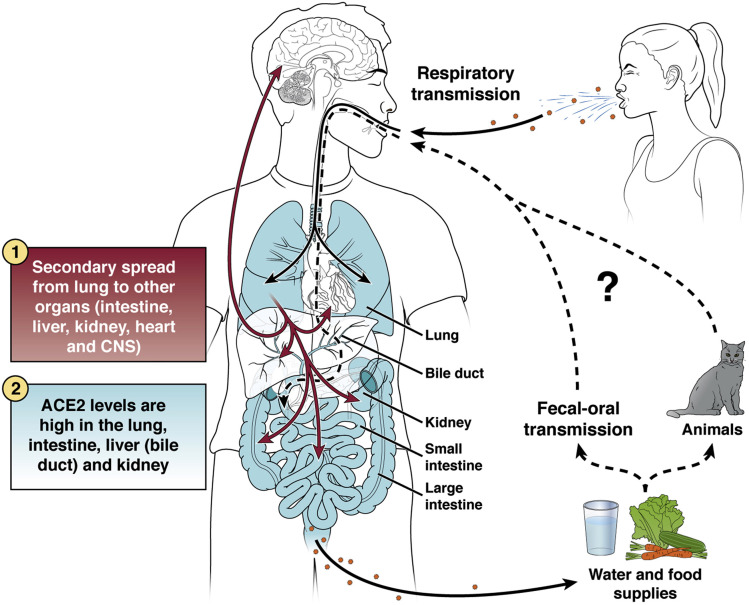
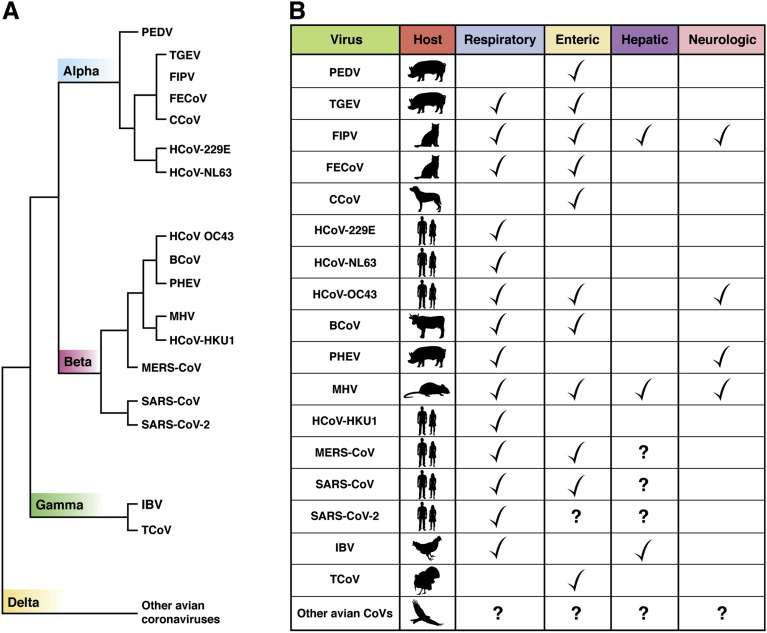
In as few as 3 months, coronavirus disease 2019 (COVID-19) has spread and ravaged the world at an unprecedented speed in modern history, rivaling the 1918 flu pandemic. Severe acute respiratory syndrome coronavirus-2, the culprit virus, is highly contagious and stable in the environment and transmits predominantly among humans via the respiratory route. Accumulating evidence suggest that this virus, like many of its related viruses, may also be an enteric virus that can spread via the fecal-oral route. Such a hypothesis would also contribute to the rapidity and proliferation of this pandemic. Here we briefly summarize what is known about this family of viruses and literature basis of the hypothesis that severe acute respiratory syndrome coronavirus-2 is capable of infecting the gastrointestinal tract and shedding in the environment for potential human-to-human transmission.
在短短3个月内,2019冠状病毒病(COVID-19)以前所未有的速度在现代历史上蔓延并肆虐全球,堪比1918年的流感大流行。罪魁祸首病毒——严重急性呼吸综合征冠状病毒2具有高度传染性且在环境中稳定,主要通过呼吸道在人与人之间传播。越来越多的证据表明,这种病毒与其许多相关病毒一样,可能也是一种肠道病毒,可通过粪口途径传播。这样的假设也有助于解释这场大流行的快速传播和扩散。在此,我们简要总结一下关于这类病毒的已知情况,以及严重急性呼吸综合征冠状病毒2能够感染胃肠道并在环境中排出从而可能实现人际传播这一假设的文献依据。