Georgakouli Kalliopi, Stamperna Alexandra, Deli Chariklia K, Syrou Niki, Draganidis Dimitrios, Fatouros Ioannis G, Jamurtas Athanasios Z
Department of Physical Education and Sport Science, University of Thessaly, Karies, 42100 Trikala, Greece.
Department of Nutrition & Dietetics, University of Thessaly, Karies, 42100 Trikala, Greece.
Sports (Basel). 2020 Apr 26;8(5):57. doi: 10.3390/sports8050057.
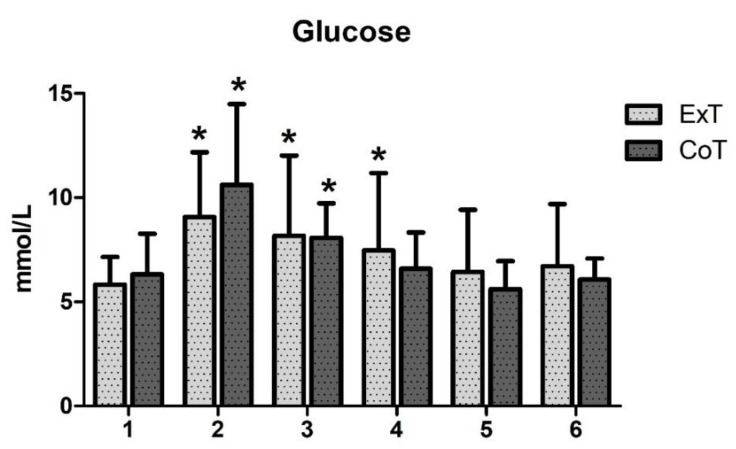
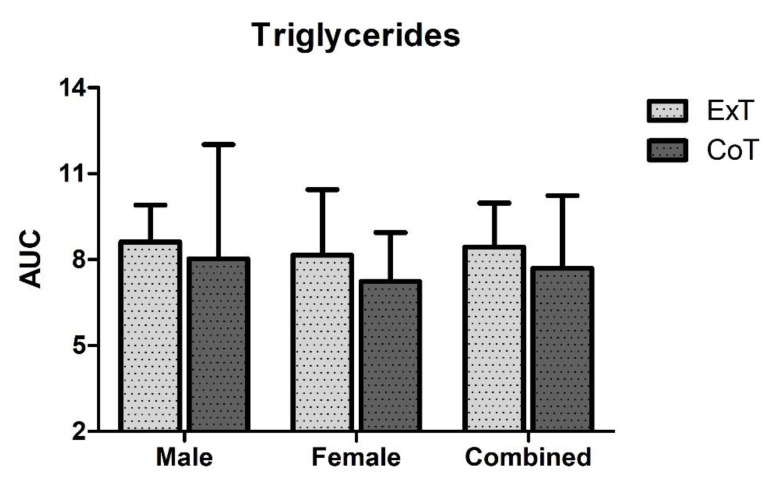
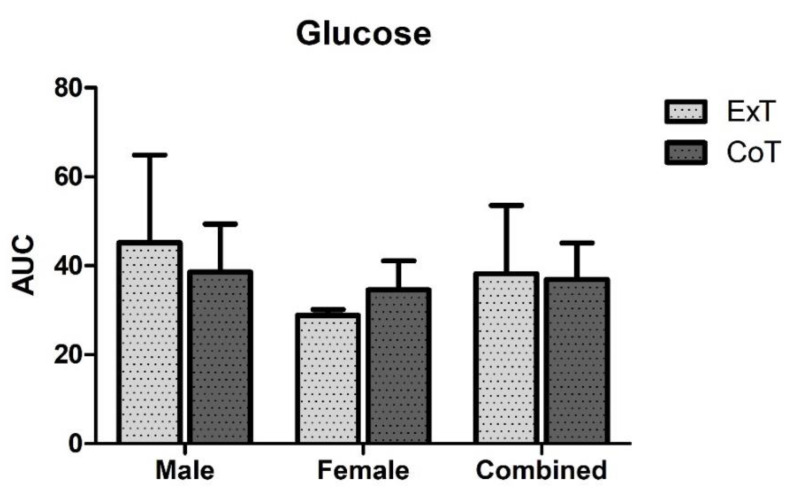
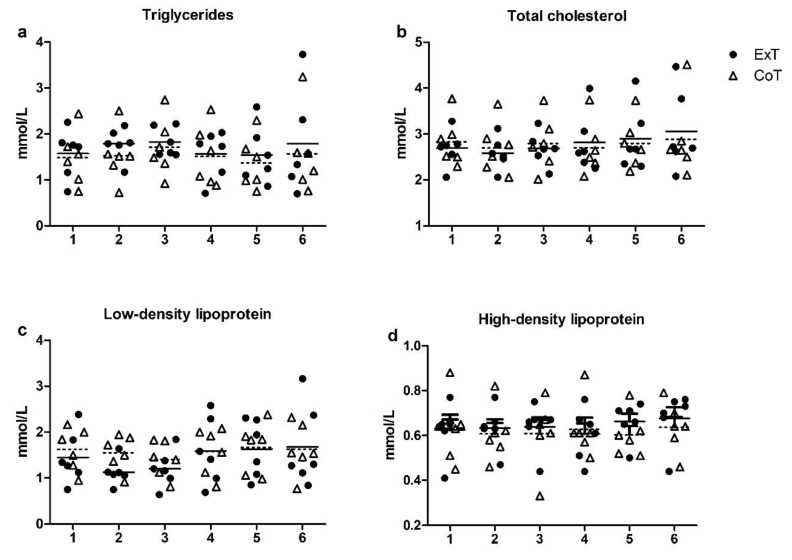
Insulin resistance and diabetes mellitus are common consequences of iron overload in the pancreas of beta-thalassemia major (BTM) patients. Moreover, postprandial blood glucose elevations are linked to major vascular complications. The purpose of this study was to investigate the effects of a bout of acute resistance exercise following breakfast consumption of glucose and fat on the metabolism in prediabetic, BTM patients. Six patients underwent two trials (exercise and control) following breakfast consumption (consisting of approximately 50% carbohydrates, 15% proteins, 35% fat), in a counterbalanced order, separated by at least three days. In an exercise trial, patients performed chest and leg presses (3 sets of 10 repetitions maximum/exercise), while in the control trial they rested. Blood samples were obtained in both trials at: pre-meal, 45 min post-meal (pre-exercise/control), post-exercise/control, 1 h post-exercise/control, 2 h post-exercise/control and 24 h post-exercise/control. Blood was analysed for glucose and lipids (total cholesterol, High Density Lipoprotein-cholesterol, Low Density Lipoprotein-cholesterol, triglycerides). Blood glucose levels increased significantly 45 min following breakfast consumption. Blood glucose and lipids did not differ between trials at the same time points. It seems that a single bout of resistance training is not sufficient to improve blood glucose and fat levels for the subsequent 24-h post-exercise period in prediabetic, BTM patients.
胰岛素抵抗和糖尿病是重型β地中海贫血(BTM)患者胰腺铁过载的常见后果。此外,餐后血糖升高与主要血管并发症有关。本研究的目的是调查早餐摄入葡萄糖和脂肪后进行一轮急性抗阻运动对糖尿病前期BTM患者代谢的影响。六名患者在早餐摄入(约含50%碳水化合物、15%蛋白质、35%脂肪)后进行了两项试验(运动试验和对照试验),试验顺序交叉平衡,间隔至少三天。在运动试验中,患者进行了胸部和腿部推举(每组10次重复,共3组/每项运动),而在对照试验中他们休息。在两项试验的以下时间点采集血样:餐前、餐后45分钟(运动前/对照前)、运动后/对照后、运动后1小时、运动后2小时和运动后24小时。对血液进行葡萄糖和脂质分析(总胆固醇、高密度脂蛋白胆固醇、低密度脂蛋白胆固醇、甘油三酯)。早餐摄入后45分钟血糖水平显著升高。在相同时间点,两项试验之间的血糖和脂质水平没有差异。对于糖尿病前期BTM患者,单次抗阻训练似乎不足以在运动后的后续24小时内改善血糖和脂肪水平。