Department of Gastronomy Sciences and Functional Foods, Poznań University of Life Sciences, 60-637, Poznań, Poland.
Department of Industrial Products Quality and Packaging Development, Poznań University of Economics and Business, 61-875, Poznań, Poland.
Biomolecules. 2020 Apr 30;10(5):700. doi: 10.3390/biom10050700.
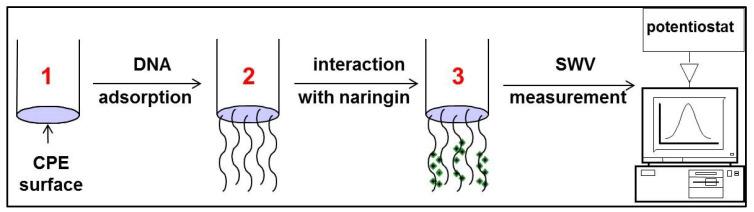
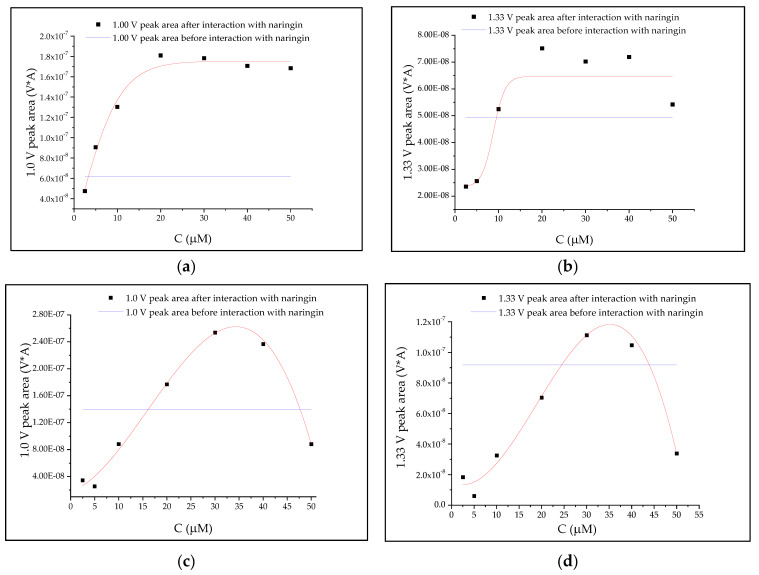
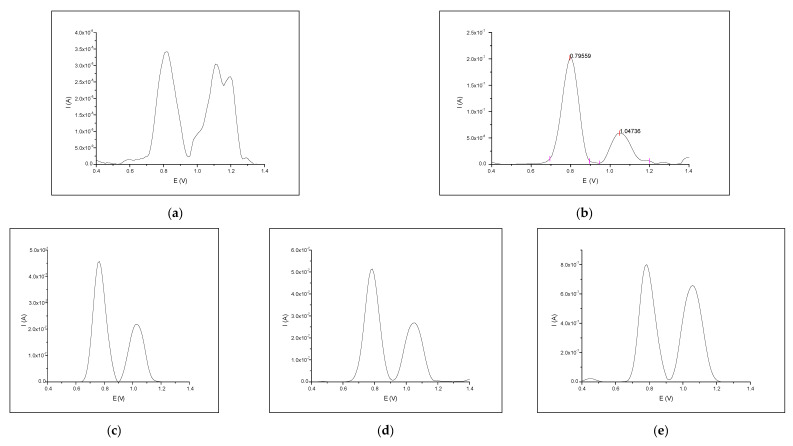
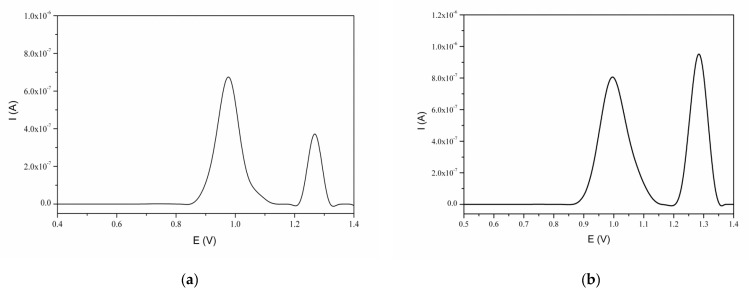
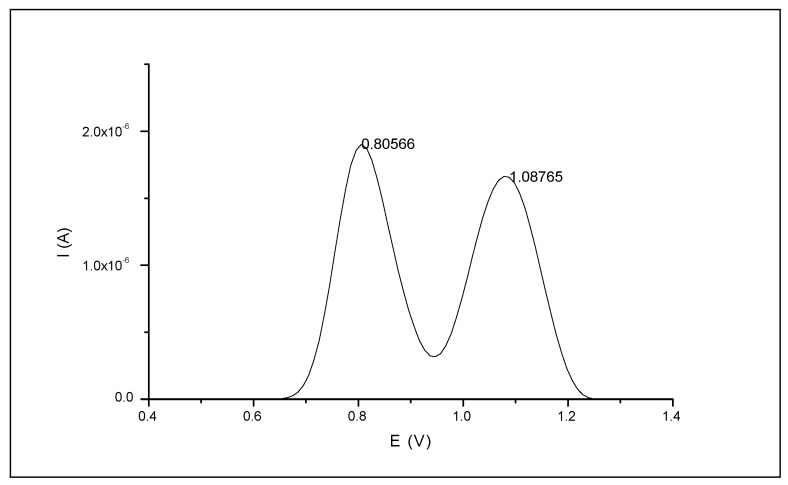
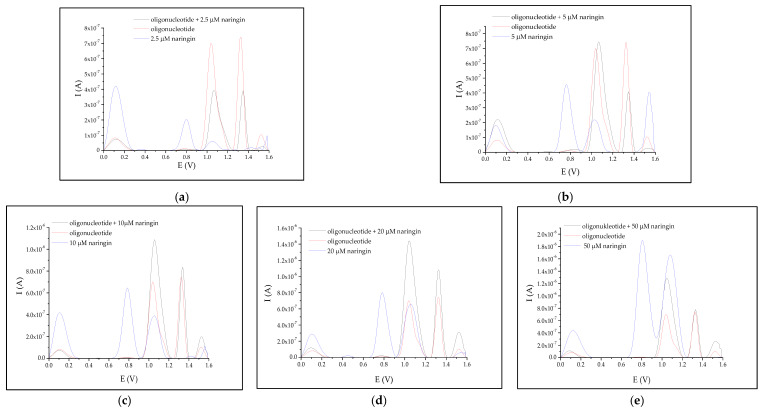
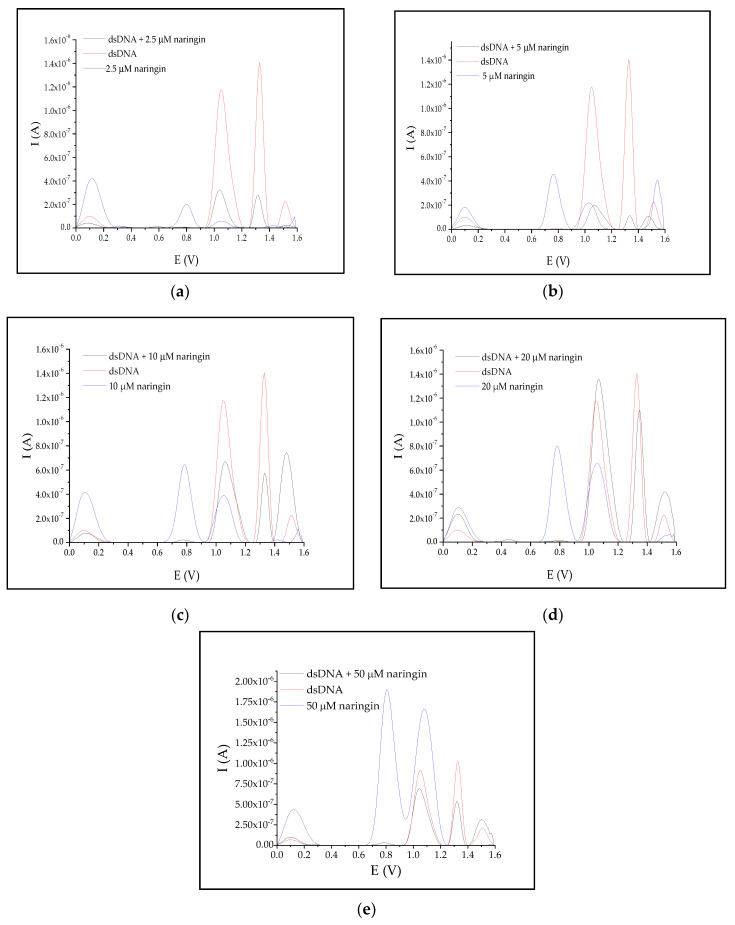
Since ancient times, fruits and edible plants have played a special role in the human diet for enhancing health and maintaining youthfulness. The aim of our work was to determine the interactions between naringin, a natural ingredient of grapefruits, and DNA using an electrochemical biosensor. Electrochemical methods allow analyzing the damages occurring in the structure of nucleic acids and their interactions with xenobiotics. Our study showed that the changes in the location of electrochemical signals and their intensity resulted from the structural alterations in DNA. The signal of adenine was affected at lower concentrations of naringin, but the signal of guanine was unaffected in the same condition. The dynamics of changes occurring in the peak height and surface of adenine related to naringin concentration was also significantly lower. The complete binding of all adenine bases present in the tested double-stranded DNA solution was observed at naringin concentrations ranging from 8.5 to 10.0 µM. At larger concentrations, this active compound exerted an oxidizing effect on DNA. However, the critical concentrations of naringin were found to be more than twice as high as the dose absorbable in an average human (4 µM). The results of our work might be helpful in the construction of electrochemical sensors for testing the content of polyphenols and would allow determining their genoprotective functionality.
自古以来,水果和可食用植物在人类饮食中就具有特殊作用,它们可以增进健康、保持年轻。我们的工作旨在使用电化学生物传感器来确定柚皮苷(葡萄柚中的一种天然成分)与 DNA 之间的相互作用。电化学方法可以分析核酸结构中发生的损伤及其与外源性物质的相互作用。我们的研究表明,电化学信号的位置和强度的变化源于 DNA 的结构改变。在较低浓度的柚皮苷作用下,腺嘌呤的信号受到影响,但在相同条件下鸟嘌呤的信号不受影响。腺嘌呤与柚皮苷浓度相关的峰高和表面变化的动力学也明显降低。在浓度范围为 8.5 至 10.0 µM 的柚皮苷作用下,观察到测试的双链 DNA 溶液中所有腺嘌呤碱基的完全结合。在更大的浓度下,这种活性化合物对 DNA 表现出氧化作用。然而,我们发现柚皮苷的临界浓度是人类平均可吸收剂量(4 µM)的两倍多。我们工作的结果可能有助于构建用于测试多酚含量的电化学传感器,并能够确定它们的基因保护功能。