Unit of Biostatistics and Clinical Epidemiology, Department of Public Health, Experimental and Forensic Medicine, University of Pavia, Pavia, Italy.
Osservatorio Epidemiologico Veterinario Regionale Della Sardegna, Istituto Zooprofilattico Sperimentale della Sardegna G. Pegreffi, Cagliari, Italy.
Front Public Health. 2020 Apr 24;8:153. doi: 10.3389/fpubh.2020.00153. eCollection 2020.
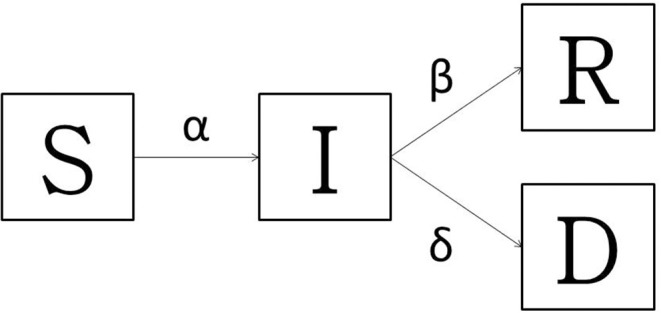
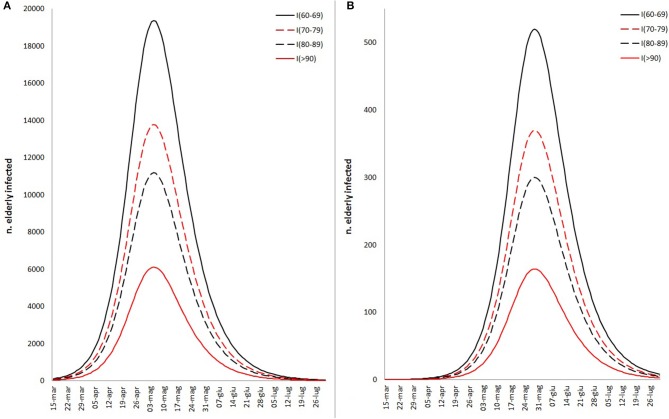
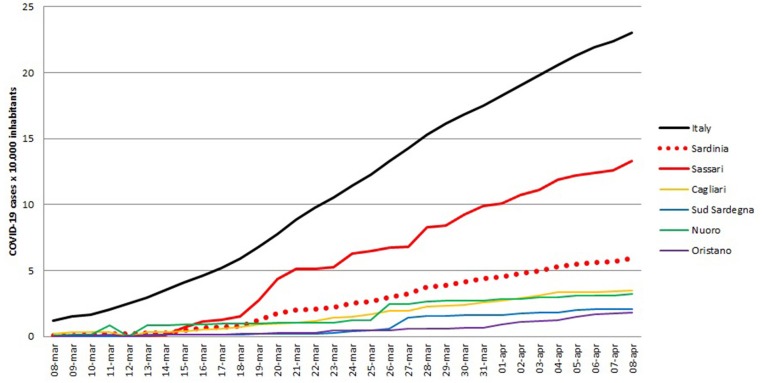
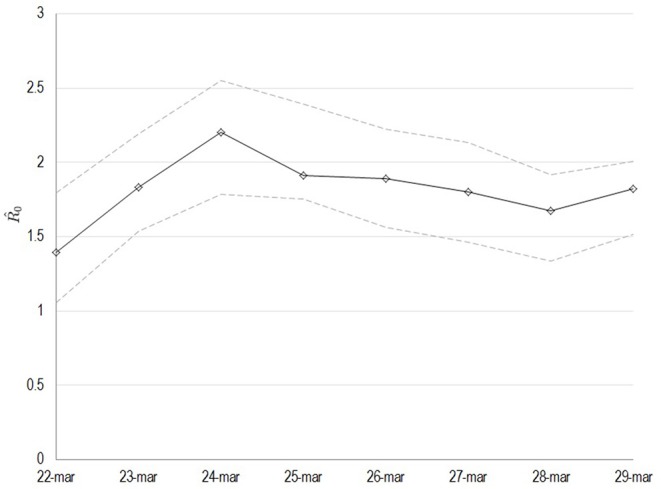
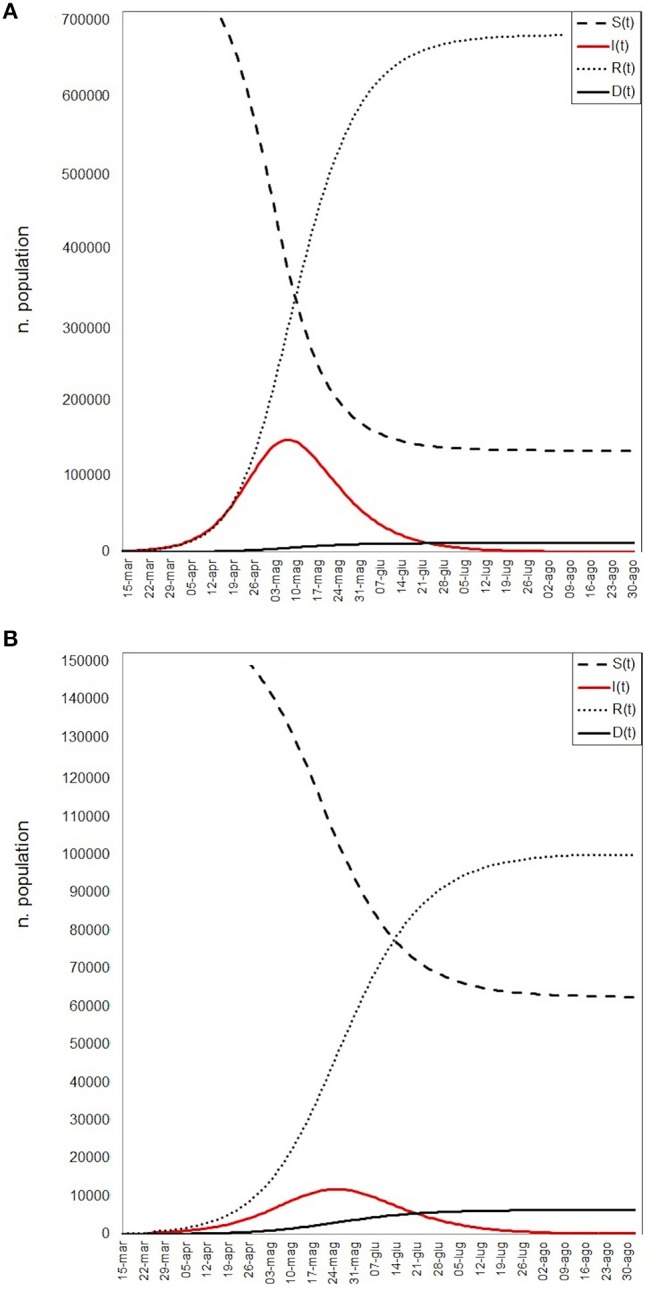
December 2019 saw a novel coronavirus (COVID-19) from China quickly spread globally. Currently, COVID-19, defined as the new pandemic by the World Health Organization (WHO), has reached over 750,000 confirmed cases worldwide. The virus began to spread in Italy from the 22nd February, and the number of related cases is still increasing. Furthermore, given that a relevant proportion of infected people need hospitalization in Intensive Care Units, this may be a crucial issue for National Healthcare System's capacity. WHO underlines the importance of specific disease regional estimates. Because of this, Italy aimed to put in place proportioned and controlled measures, and to guarantee adequate funding to both increase the number of ICU beds and increase production of personal protective equipment. Our aim is to investigate the current COVID-19 epidemiological context in Sardinia region (Italy) and to estimate the transmission parameters using a stochastic model to establish the number of infected, recovered, and deceased people expected. Based on available data from official Italian and regional sources, we describe the distribution of infected cases during the period between 2nd and 15th March 2020. To better reflect the actual spread of COVID-19 in Sardinia based on data from 15th March (first Sardinian declared outbreak), two Susceptible-Infectious-Recovered-Dead (SIRD) models have been developed, describing the best and worst scenarios. We believe that our findings represent a valid contribution to better understand the epidemiological context of COVID-19 in Sardinia. Our analysis can help health authorities and policymakers to address the right interventions to deal with the rapidly expanding health emergency.
2019 年 12 月,一种新型冠状病毒(COVID-19)从中国迅速蔓延到全球。目前,世界卫生组织(WHO)已将 COVID-19 定义为新的大流行病,全球确诊病例已超过 75 万例。该病毒于 2 月 22 日开始在意大利传播,相关病例数量仍在不断增加。此外,鉴于相当一部分感染者需要在重症监护病房住院,这可能是国家医疗体系能力的一个关键问题。世界卫生组织强调了对特定疾病区域估计的重要性。因此,意大利旨在采取相应和控制措施,并保证充足的资金,以增加重症监护病房的床位数量并增加个人防护设备的产量。我们的目的是调查意大利撒丁岛地区目前的 COVID-19 流行病学情况,并使用随机模型估计传播参数,以确定预期的感染、康复和死亡人数。根据意大利和地区官方来源的现有数据,我们描述了 2020 年 3 月 2 日至 15 日期间感染病例的分布情况。为了更好地反映 COVID-19 在撒丁岛的实际传播情况,我们基于 3 月 15 日(第一个撒丁岛宣布爆发)的数据,开发了两种易感染-感染-康复-死亡(SIRD)模型,描述了最佳和最坏的情况。我们认为,我们的发现代表了对更好地理解 COVID-19 在撒丁岛的流行病学情况的一个有价值的贡献。我们的分析可以帮助卫生当局和政策制定者采取正确的干预措施来应对迅速扩大的卫生紧急情况。