Cruz Rena L J, Ross Maureen T, Powell Sean K, Woodruff Maria A
Institute of Health and Biomedical Innovation, Queensland University of Technology, Brisbane, QLD, Australia.
Front Bioeng Biotechnol. 2020 Apr 23;8:147. doi: 10.3389/fbioe.2020.00147. eCollection 2020.
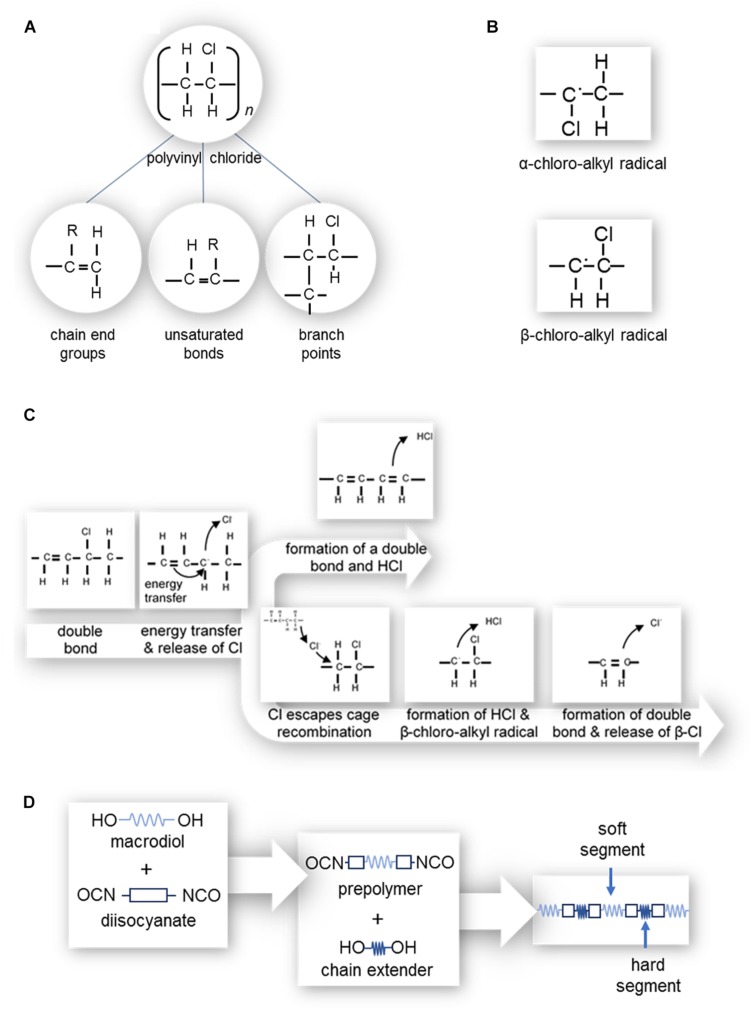
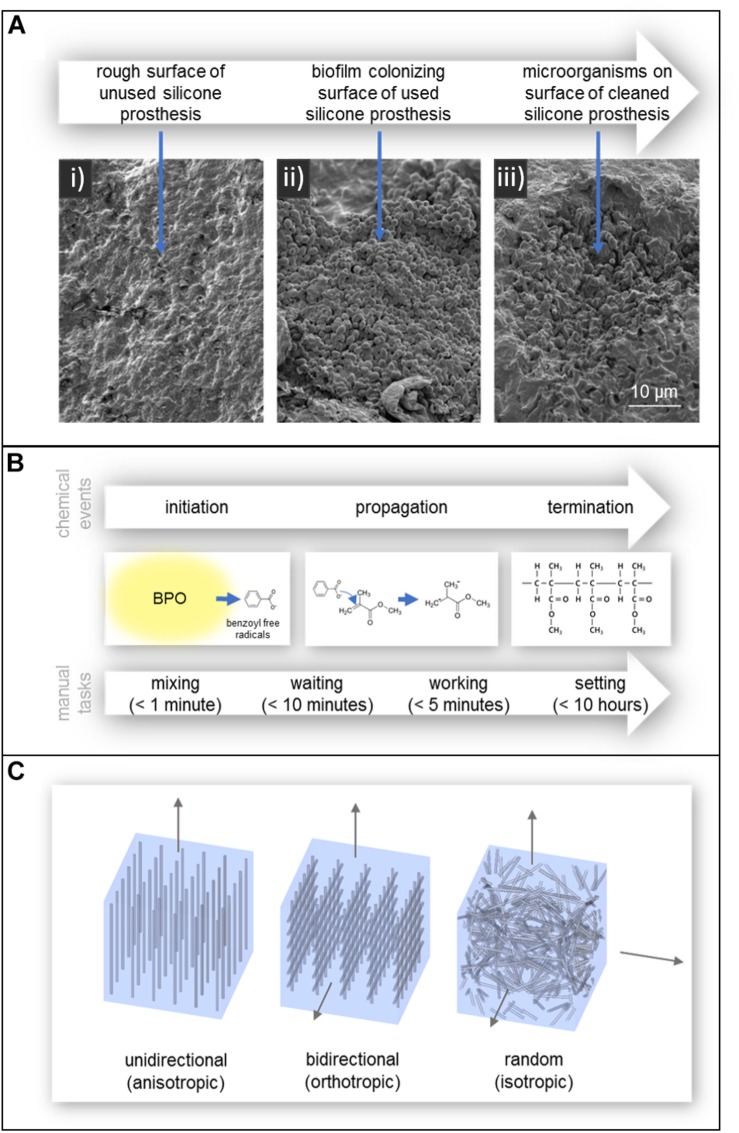
Each year, congenital defects, trauma or cancer often results in considerable physical disfigurement for many people worldwide. This adversely impacts their psychological, social and economic outlook, leading to poor life experiences and negative health outcomes. In many cases of soft tissue disfigurement, highly personalized prostheses are available to restore both aesthetics and function. As discussed in part A of this review, key to the success of any soft tissue prosthetic is the fundamental properties of the materials. This determines the maximum attainable level of aesthetics, attachment mechanisms, fabrication complexity, cost, and robustness. Since the early-mid 20th century, polymers have completely replaced natural materials in prosthetics, with advances in both material properties and fabrication techniques leading to significantly improved capabilities. In part A, we discussed the history of polymers in prosthetics, their ideal properties, and the application of polymers in prostheses for the ear, nose, eye, breast and finger. We also reviewed the latest developments in advanced manufacturing and 3D printing, including different fabrication technologies and new and upcoming materials. In this review, Part B, we detail the chemistry of the most commonly used synthetic polymers in soft tissue prosthetics; silicone, acrylic resin, vinyl polymer, and polyurethane elastomer. For each polymer, we briefly discuss their history before detailing their chemistry and fabrication processes. We also discuss degradation of the polymer in the context of their application in prosthetics, including time and weathering, the impact of skin secretions, microbial growth and cleaning and disinfecting. Although advanced manufacturing promises new fabrication capabilities using exotic synthetic polymers with programmable material properties, silicones and acrylics remain the most commonly used materials in prosthetics today. As research in this field progresses, development of new variations and fabrication techniques based on these synthetic polymers will lead to even better and more robust soft tissue prosthetics, with improved life-like aesthetics and lower cost manufacturing.
每年,先天性缺陷、创伤或癌症常常给全球许多人带来相当严重的身体毁容。这对他们的心理、社会和经济前景产生不利影响,导致生活体验不佳和健康状况负面。在许多软组织毁容的案例中,可以使用高度个性化的假体来恢复美观和功能。如本综述A部分所讨论的,任何软组织假体成功的关键在于材料的基本特性。这决定了美学可达到的最高水平、附着机制、制造复杂性、成本和耐用性。自20世纪中叶以来,聚合物已在假体中完全取代了天然材料,材料特性和制造技术的进步带来了能力的显著提升。在A部分,我们讨论了聚合物在假体中的历史、其理想特性以及聚合物在耳部、鼻部、眼部、乳房和手指假体中的应用。我们还回顾了先进制造和3D打印的最新进展,包括不同的制造技术以及新出现和即将出现的材料。在本综述的B部分,我们详细介绍软组织假体中最常用的合成聚合物的化学性质;硅酮、丙烯酸树脂、乙烯基聚合物和聚氨酯弹性体。对于每种聚合物,我们在详细介绍其化学性质和制造过程之前,先简要讨论它们的历史。我们还在其在假体应用的背景下讨论聚合物的降解,包括时间和风化、皮肤分泌物的影响、微生物生长以及清洁和消毒。尽管先进制造有望利用具有可编程材料特性的奇异合成聚合物实现新的制造能力,但硅酮和丙烯酸树脂仍是当今假体中最常用的材料。随着该领域研究的进展,基于这些合成聚合物开发新的变体和制造技术将带来更好、更耐用的软组织假体,具有更逼真的美学效果和更低的制造成本。