Center for Kidney Disease, 2nd Affiliated Hospital, Nanjing Medical University, 262 North Zhongshan Road, Nanjing, Jiangsu, 210003, China.
Jiangsu Engineering Research Center for MicroRNA Biology and Biotechnology, School of Life Science, Nanjing University, 22 Hankou Road, Nanjing, Jiangsu, 210093, China.
Cell Death Dis. 2020 May 11;11(5):355. doi: 10.1038/s41419-020-2481-5.
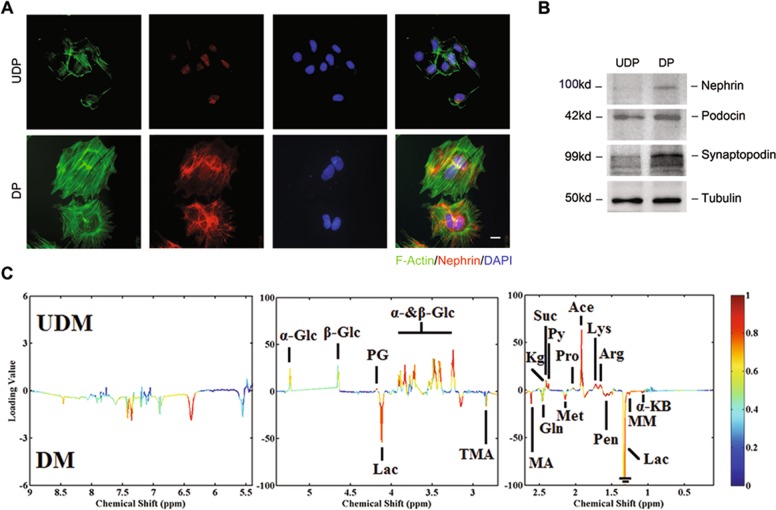
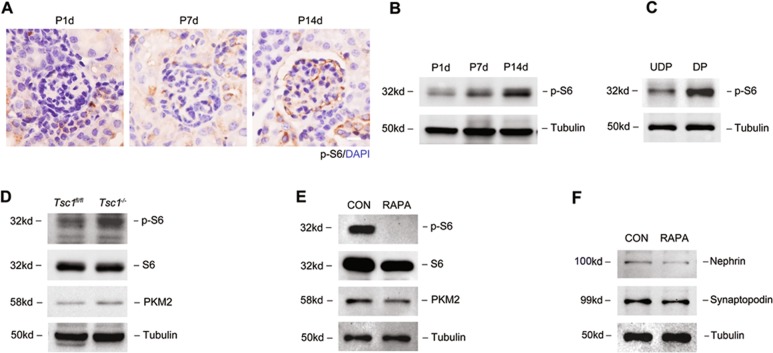
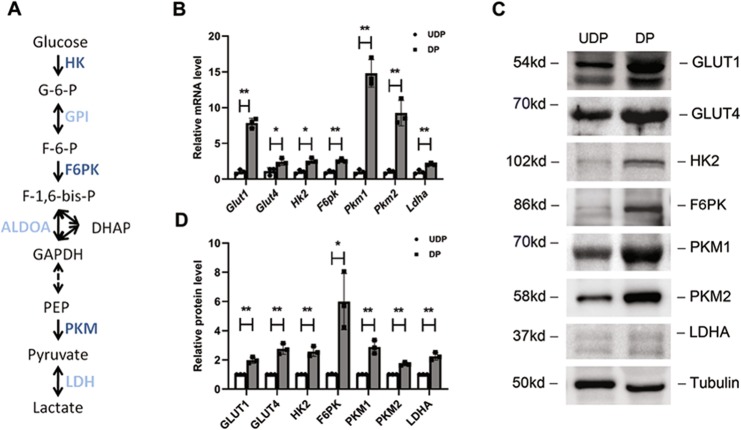
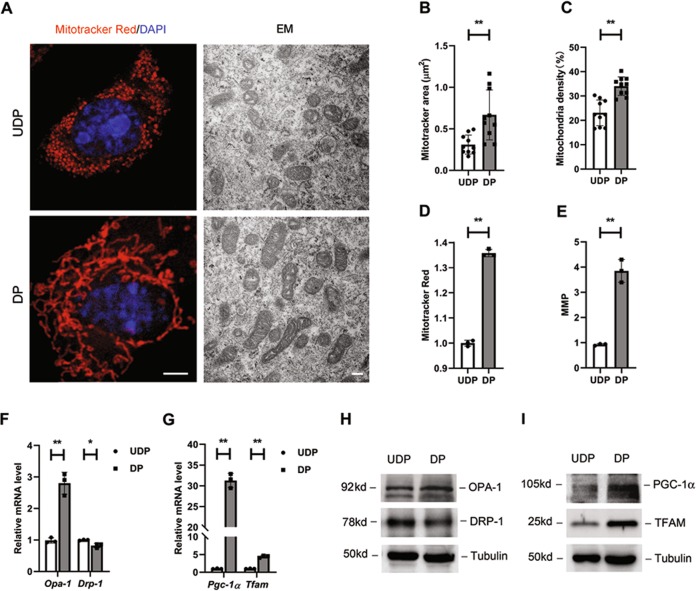
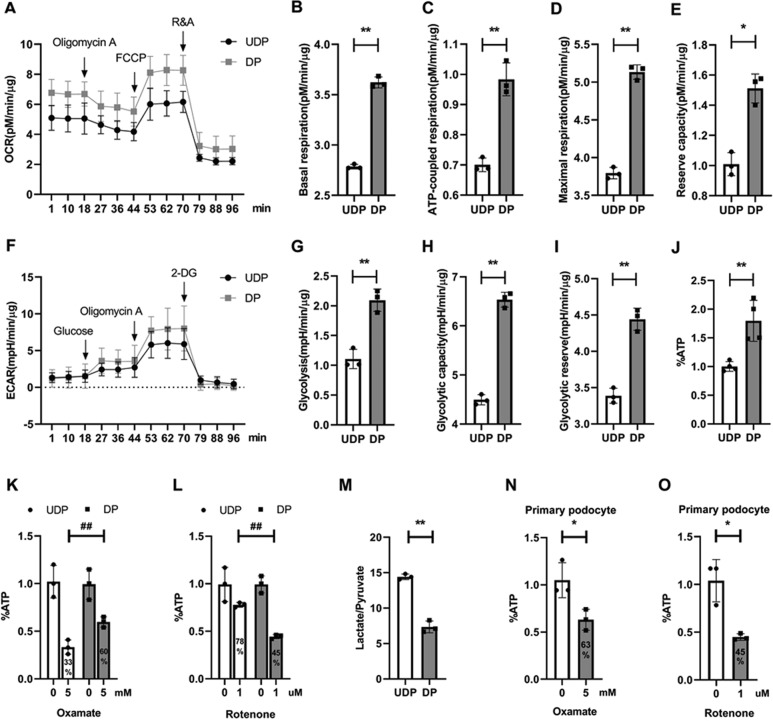
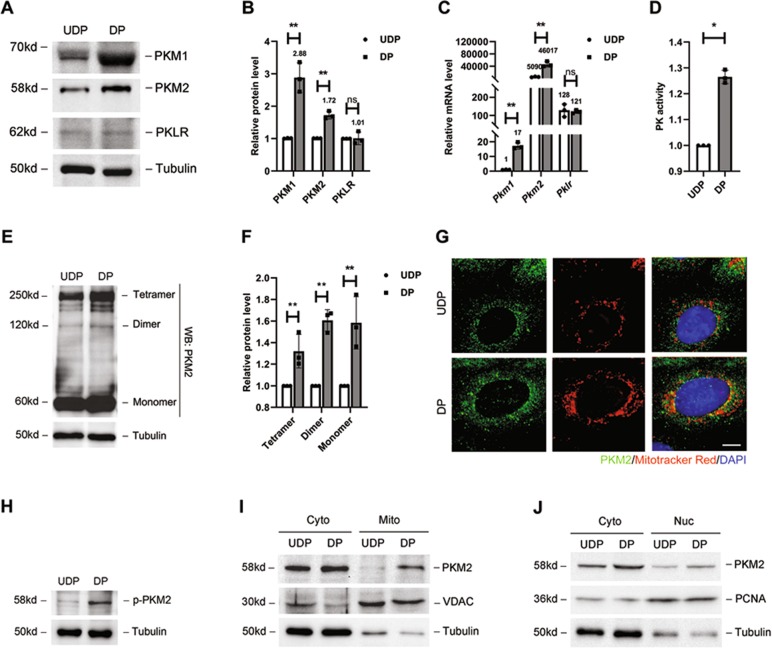
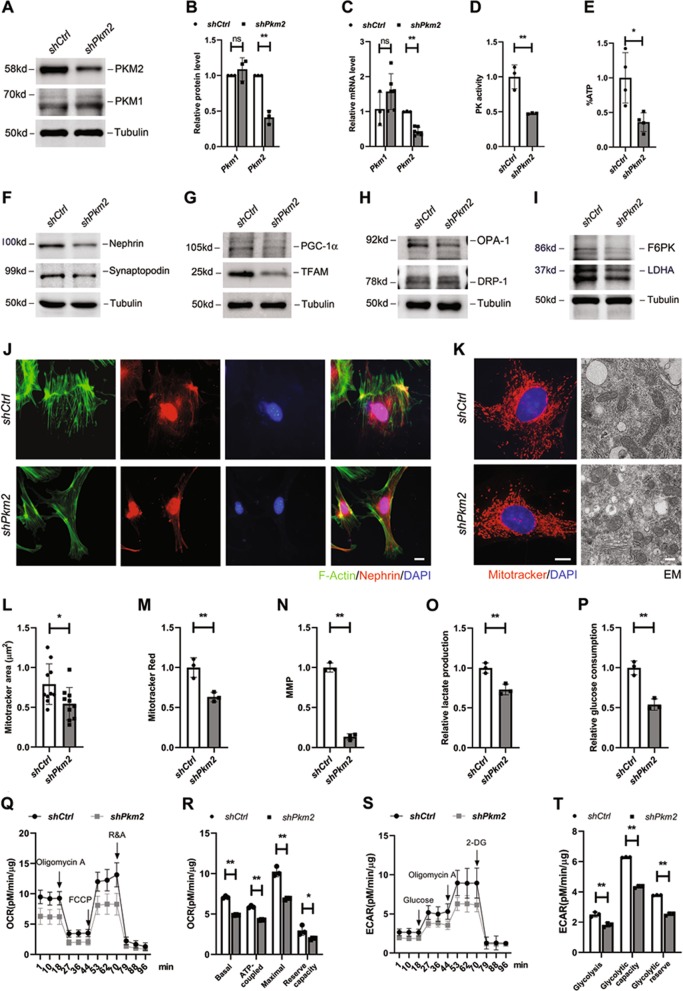
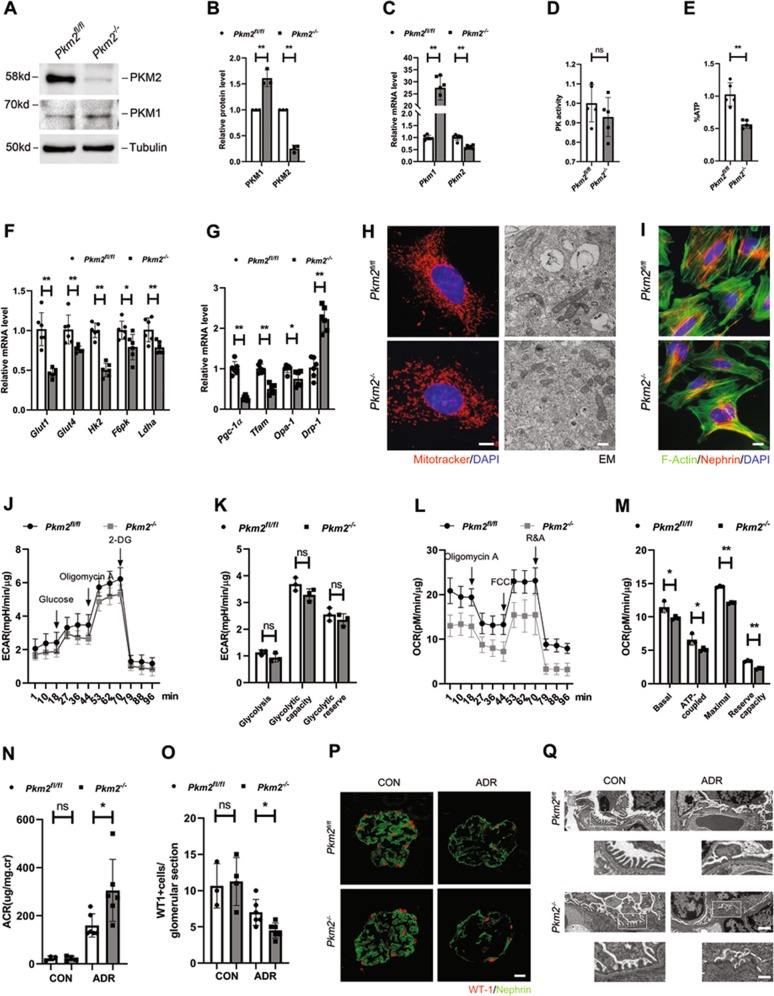
Podocytes, a type of highly specialized epithelial cells, require substantial levels of energy to maintain glomerular integrity and function, but little is known on the regulation of podocytes' energetics. Lack of metabolic analysis during podocyte development led us to explore the distribution of mitochondrial oxidative phosphorylation and glycolysis, the two major pathways of cell metabolism, in cultured podocytes during in vitro differentiation. Unexpectedly, we observed a stronger glycolytic profile, accompanied by an increased mitochondrial complexity in differentiated podocytes, indicating that mature podocytes boost both glycolysis and mitochondrial metabolism to meet their augmented energy demands. In addition, we found a shift of predominant energy source from anaerobic glycolysis in immature podocyte to oxidative phosphorylation during the differentiation process. Furthermore, we identified a crucial metabolic regulator for podocyte development, pyruvate kinase M2. Pkm2-knockdown podocytes showed dramatic reduction of energy metabolism, resulting in defects of cell differentiation. Meanwhile, podocyte-specific Pkm2-knockout (KO) mice developed worse albuminuria and podocyte injury after adriamycin treatment. We identified mammalian target of rapamycin (mTOR) as a critical regulator of PKM2 during podocyte development. Pharmacological inhibition of mTOR potently abrogated PKM2 expression and disrupted cell differentiation, indicating the existence of metabolic checkpoint that need to be satisfied in order to allow podocyte differentiation.
足细胞是一种高度特化的上皮细胞,需要大量的能量来维持肾小球的完整性和功能,但人们对足细胞能量代谢的调节知之甚少。由于在足细胞发育过程中缺乏代谢分析,我们在体外分化过程中探索了培养的足细胞中线粒体氧化磷酸化和糖酵解这两种主要细胞代谢途径的分布。出乎意料的是,我们观察到分化的足细胞中出现了更强的糖酵解特征,伴随着线粒体复杂性的增加,这表明成熟的足细胞同时增强糖酵解和线粒体代谢以满足其增加的能量需求。此外,我们发现,在分化过程中,主要能量来源从未成熟足细胞中的无氧糖酵解向氧化磷酸化转移。此外,我们确定了丙酮酸激酶 M2 是足细胞发育的关键代谢调节因子。PKM2 敲低的足细胞表现出能量代谢的急剧减少,导致细胞分化缺陷。同时,阿霉素处理后,足细胞特异性 Pkm2 敲除 (KO) 小鼠出现更严重的白蛋白尿和足细胞损伤。我们确定哺乳动物雷帕霉素靶蛋白 (mTOR) 是足细胞发育过程中 PKM2 的一个关键调节因子。mTOR 的药理学抑制强烈阻断了 PKM2 的表达并破坏了细胞分化,表明存在代谢检查点,为了允许足细胞分化,需要满足这些检查点。