Aziz Muhammad Abdul, Abbasi Arshad Mehmood, Ullah Zahid, Pieroni Andrea
University of Gastronomic Science, Piazza Vittorio Emanuele II 9, 12042 Loc. Pollenzo, Bra, Italy.
Department of Environmental Sciences, COMSATS University Islamabad, Abbottabad Campus, Abbattabad 22060, Pakistan.
Foods. 2020 May 8;9(5):601. doi: 10.3390/foods9050601.
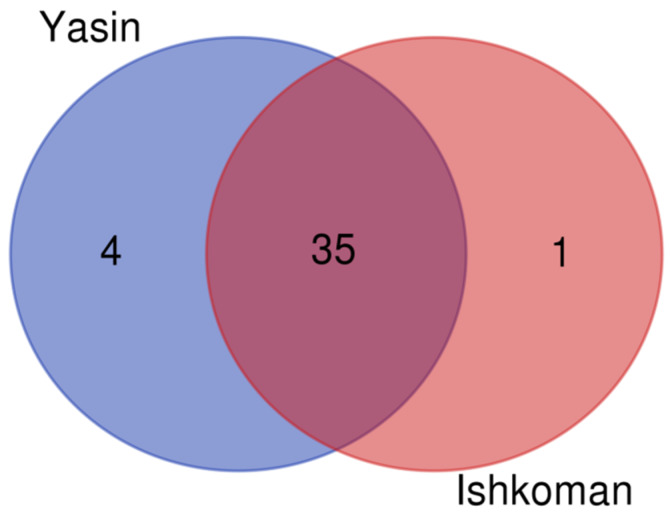
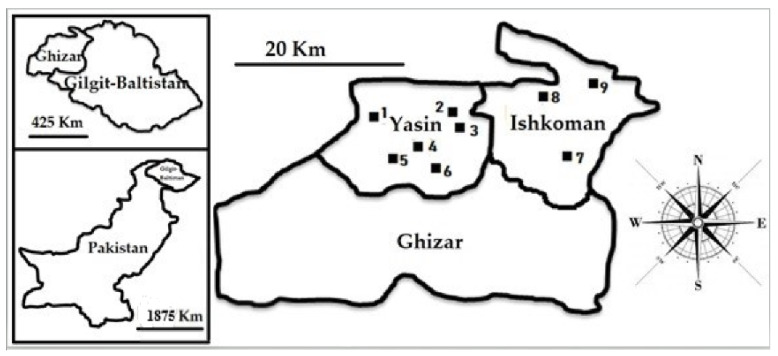
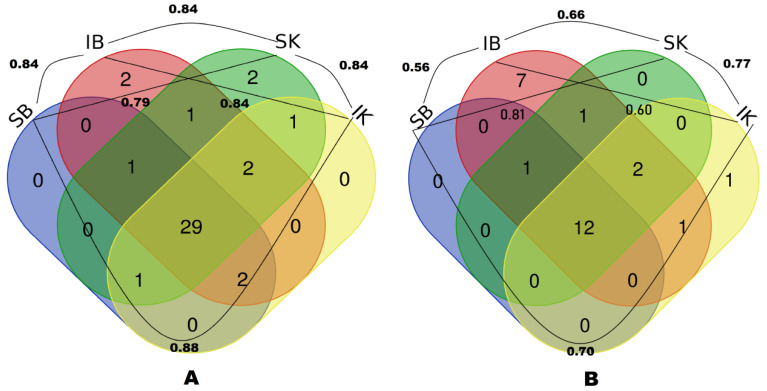
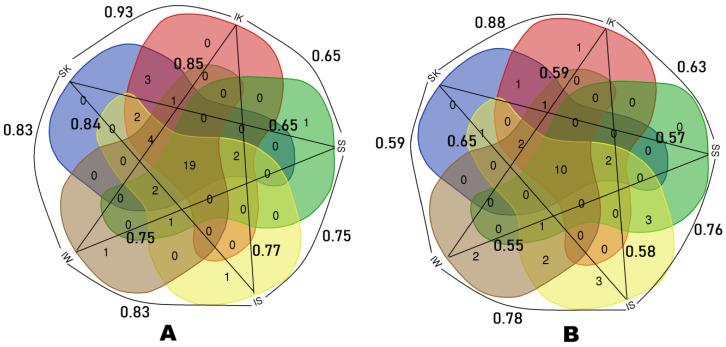
A wild food ethnobotanical field study was conducted in the Ishkoman and Yasin valleys, located in the Hindukush Mountain Range of Gilgit-Baltistan, northern Pakistan. These valleys are inhabited by diverse, often marginalized, linguistic and religious groups. The field survey was conducted via one hundred and eighty semistructured interviews to record data in nine villages. Forty gathered wild food botanical and mycological taxa were recorded and identified. Comparative analysis among the different linguistic and religious groups revealed that the gathered wild food plants were homogenously used. This may be attributed to the sociocultural context of the study area, where most of the population professes the Ismaili Shia Islamic faith, and to the historical stratifications of different populations along the centuries, which may have determined complex adaptation processes and exchange of possibly distinct pre-existing food customs. A few wild plants had very rarely or never been previously reported as food resources in Pakistan, including , , and Additionally, the recorded local knowledge is under threat and we analyzed possible factors that have caused this change. The recorded biocultural heritage could, however, represent a crucial driver, if properly revitalized, for assuring the food security of the local communities and also for further developing ecotourism and associated sustainable gastronomic initiatives in the area.
在巴基斯坦北部吉尔吉特 - 巴尔蒂斯坦兴都库什山脉的伊斯科曼和亚辛山谷开展了一项野生可食用植物的民族植物学实地研究。这些山谷居住着不同的、通常处于边缘化的语言和宗教群体。通过180次半结构化访谈进行实地调查,以记录9个村庄的数据。记录并鉴定了40种采集到的野生食用植物和真菌类群。不同语言和宗教群体之间的比较分析表明,采集到的野生食用植物的使用方式具有同质性。这可能归因于研究区域的社会文化背景,该地区大多数人口信奉伊斯玛仪什叶派伊斯兰教,也归因于几个世纪以来不同人群的历史分层,这可能决定了复杂的适应过程以及可能不同的原有饮食习惯的交流。一些野生植物此前在巴基斯坦极少被或从未被报道为食物资源,包括[此处原文缺失具体植物名称]。此外,记录的当地知识正受到威胁,我们分析了造成这种变化的可能因素。然而,如果得到妥善振兴,记录的生物文化遗产可能成为确保当地社区粮食安全以及进一步发展该地区生态旅游和相关可持续美食倡议的关键驱动力。