U.S. Department of Agriculture, National Wildlife Research Center, Fort Collins, CO, USA.
University of Wyoming, Department of Animal Science, Laramie, WY, USA.
Sci Rep. 2020 May 15;10(1):8093. doi: 10.1038/s41598-020-64544-w.
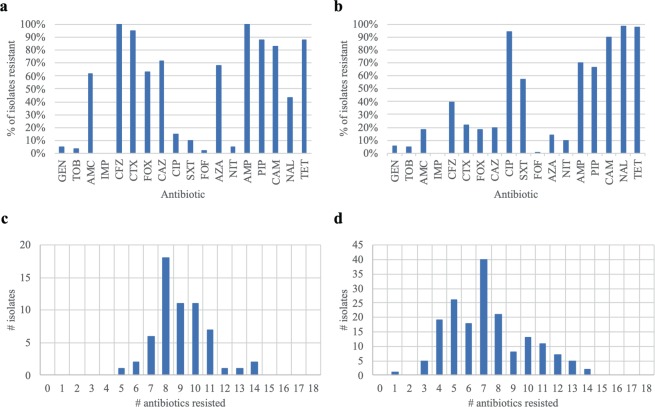
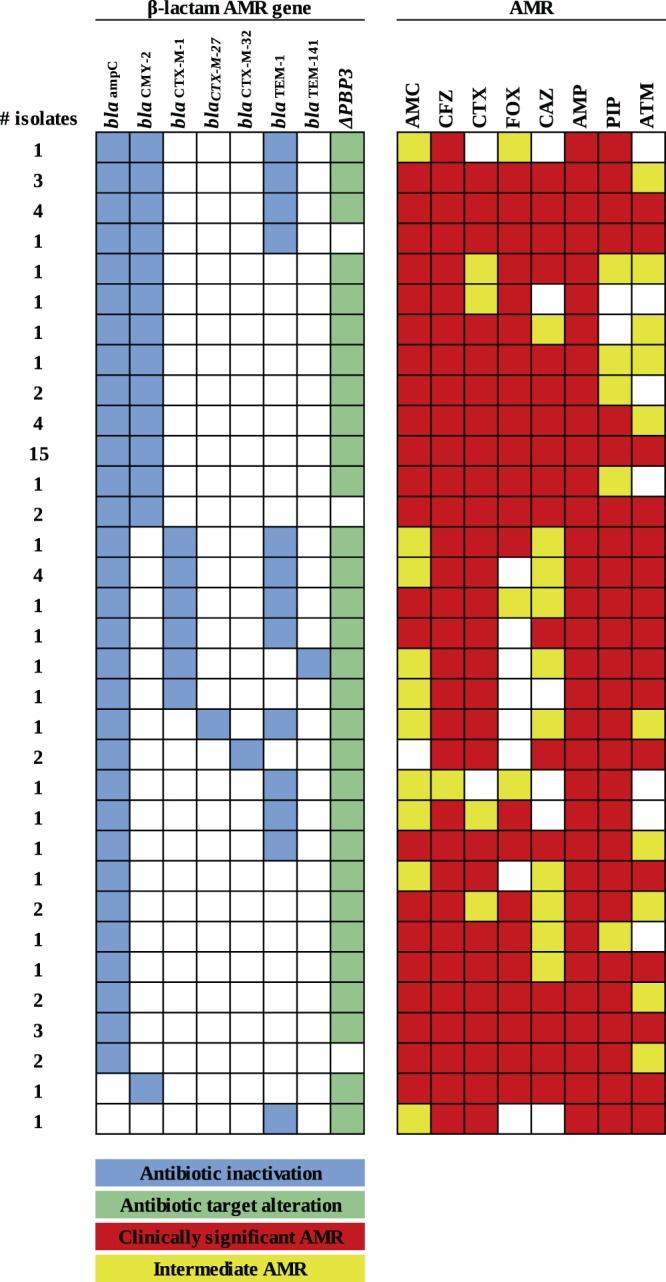
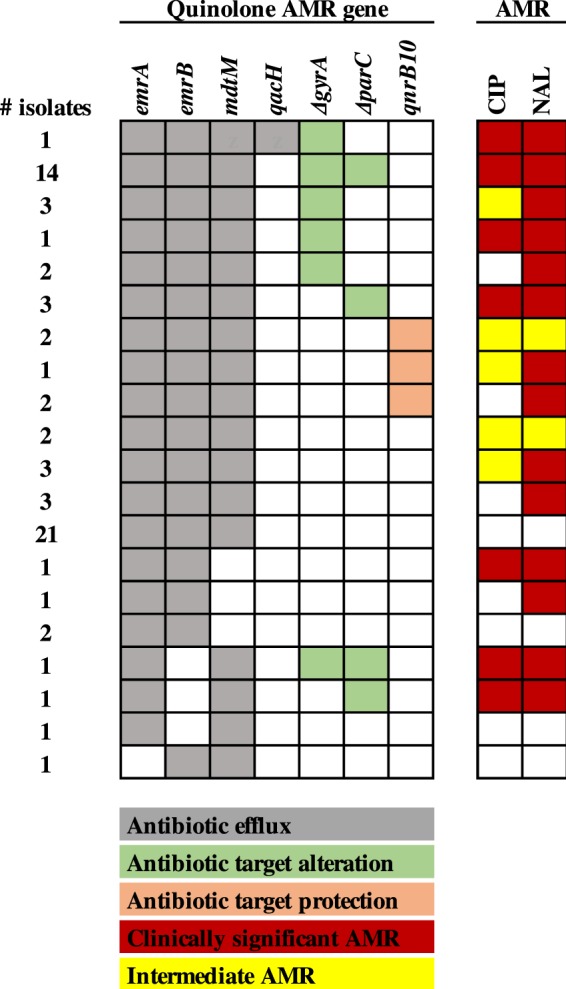
Antimicrobial use in livestock production is a driver for the development and proliferation of antimicrobial resistance (AMR). Wildlife interactions with livestock, acquiring associated AMR bacteria and genes, and wildlife's subsequent dispersal across the landscape are hypothesized to play an important role in the ecology of AMR. Here, we examined priority AMR phenotypes and genotypes of Escherichia coli isolated from the gastrointestinal tracts of European starlings (Sturnus vulgaris) found on concentrated animal feeding operations (CAFOs). European starlings may be present in high numbers on CAFOs (>100,000 birds), interact with urban environments, and can migrate distances exceeding 1,500 km in North America. In this study, 1,477 European starlings from 31 feedlots in five U.S. states were sampled for E. coli resistant to third generation cephalosporins (3G-C) and fluoroquinolones. The prevalence of 3G-C and fluoroquinolone-resistant E. coli was 4% and 10%, respectively. Multidrug resistance in the E. coli isolates collected (n = 236) was common, with the majority of isolates displaying resistance to six or more classes of antibiotics. Genetic analyses of a subset of these isolates identified 94 genes putatively contributing to AMR, including seven class A and C β-lactamases as well as mutations in gyrA and parC recognized to confer resistance to quinolones. Phylogenetic and subtyping assessments showed that highly similar isolates (≥99.4% shared core genome, ≥99.6% shared coding sequence) with priority AMR were found in birds on feedlots separated by distances exceeding 150 km, suggesting that European starlings could be involved in the interstate dissemination of priority AMR bacteria.
在畜牧业生产中使用抗菌药物是导致抗菌药物耐药性(AMR)发展和扩散的一个驱动因素。野生动物与牲畜的相互作用,获得相关的 AMR 细菌和基因,以及野生动物随后在景观中的扩散,被假设在 AMR 的生态学中发挥重要作用。在这里,我们检查了从集中式动物饲养场(CAFO)中发现的欧洲椋鸟(Sturnus vulgaris)胃肠道中分离出的优先 AMR 表型和基因型的大肠杆菌。欧洲椋鸟可能在 CAFO 中大量存在(超过 10 万只),与城市环境相互作用,并且可以在北美洲超过 1500 公里的距离迁移。在这项研究中,从美国五个州的 31 个饲养场采集了 1477 只欧洲椋鸟的大肠杆菌,以检测对第三代头孢菌素(3G-C)和氟喹诺酮类药物的耐药性。3G-C 和氟喹诺酮类耐药大肠杆菌的流行率分别为 4%和 10%。从收集的大肠杆菌分离株中发现了普遍存在的多药耐药性,大多数分离株对六种或更多类别的抗生素具有耐药性。对这些分离株的一部分进行的基因分析确定了 94 个可能导致 AMR 的基因,包括七种 A 类和 C 类β-内酰胺酶以及 gyrA 和 parC 中的突变,这些突变被认为赋予了对喹诺酮类药物的耐药性。系统发育和亚型评估表明,在距离超过 150 公里的饲养场中发现的具有优先 AMR 的高度相似的分离株(≥99.4%共享核心基因组,≥99.6%共享编码序列),表明欧洲椋鸟可能参与了优先 AMR 细菌的州际传播。