Department of Biomedical Engineering, 415 Lane Road, University of Virginia, Charlottesville, VA 22903, USA.
Department of Physiology and Biophysics, University of Illinois at Chicago, 835 S. Wolcott Ave, Chicago, IL 60612, USA.
Matrix Biol. 2020 Sep;91-92:152-166. doi: 10.1016/j.matbio.2020.04.004. Epub 2020 May 19.
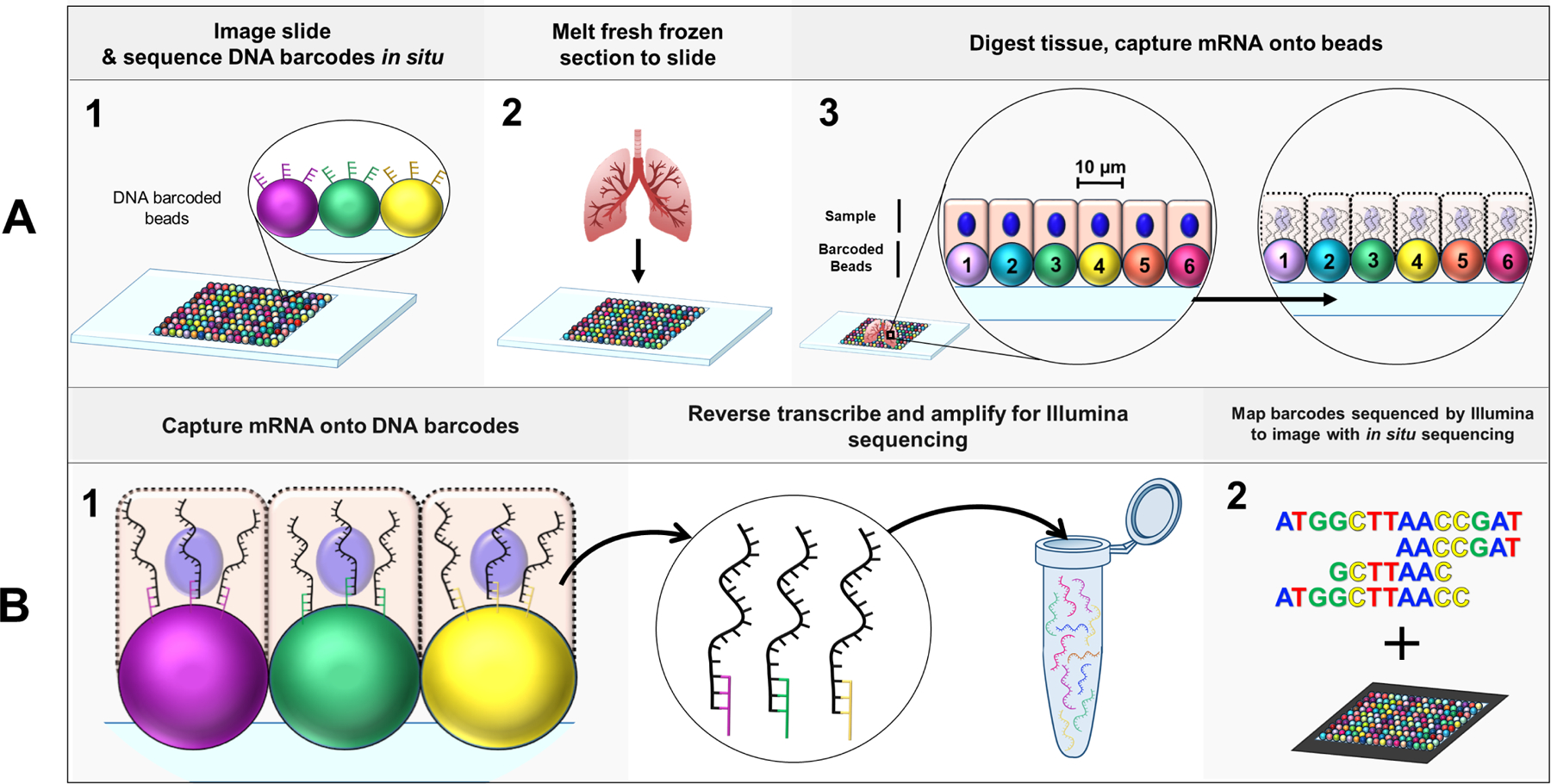
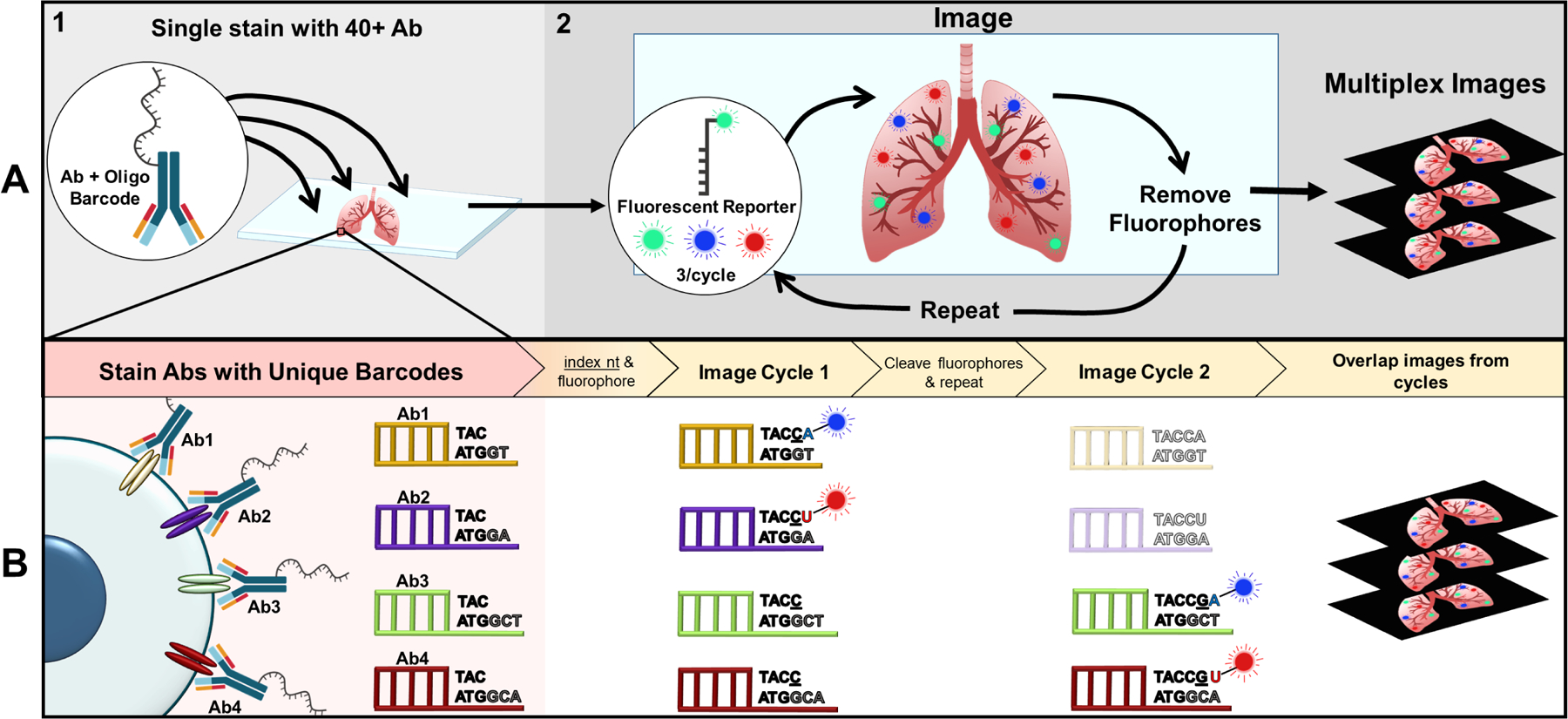
Complex intercellular interactions as well as biomolecular and biomechanical cues from the extracellular matrix (ECM) profoundly affect cellular functions. Traditional transcriptomic and proteomic approaches have provided insight into disease progression by identifying discrete cellular subpopulations or microenvironmental signatures characteristic of normal or pathological tissues, however these techniques do not examine how a given cellular state relates to its interactions with neighboring cells or its surrounding ECM with multiparametric characterization (i.e. ECM alignment, mechanical forces, crosslinking, etc.). Emerging spatial-omic techniques can provide high-resolution mapping of expression profiles similar to scRNA-seq and mass spectroscopy directly within tissues. The ability to preserve the spatial context of cells within samples, their cellular geometry, as well as their surrounding ECM gives spatial-omics the opportunity to interrogate previously unexplored signaling modalities, which has the potential to revolutionize ECM research and our understanding of fibrotic diseases. In this review, we present current spatial transcriptomic and proteomic techniques and discuss how they may be applied to investigate cell-ECM interactions.
细胞间的相互作用以及细胞外基质(ECM)中的生物分子和生物力学线索深刻地影响着细胞的功能。传统的转录组学和蛋白质组学方法通过识别正常或病理组织特征的离散细胞亚群或微环境特征,为疾病进展提供了深入了解,然而这些技术并没有研究特定细胞状态与其与相邻细胞或周围 ECM 的相互作用如何相关,也没有用多参数特征(即 ECM 排列、机械力、交联等)进行检查。新兴的空间组学技术可以提供类似于 scRNA-seq 和质谱的高分辨率表达谱图谱直接在组织内进行映射。在样本中保留细胞的空间背景、细胞几何形状以及周围 ECM 的能力使空间组学有机会探究以前未探索过的信号模式,这有可能彻底改变 ECM 研究和我们对纤维化疾病的理解。在这篇综述中,我们介绍了现有的空间转录组学和蛋白质组学技术,并讨论了它们如何应用于研究细胞-ECM 相互作用。