Division of Infectious Diseases, Department of Medicine, Brigham and Women's Hospital, Boston, MA, USA.
Department of Microbiology, Harvard Medical School, Boston, MA, USA.
Nat Microbiol. 2020 Aug;5(8):1051-1063. doi: 10.1038/s41564-020-0724-y. Epub 2020 May 18.
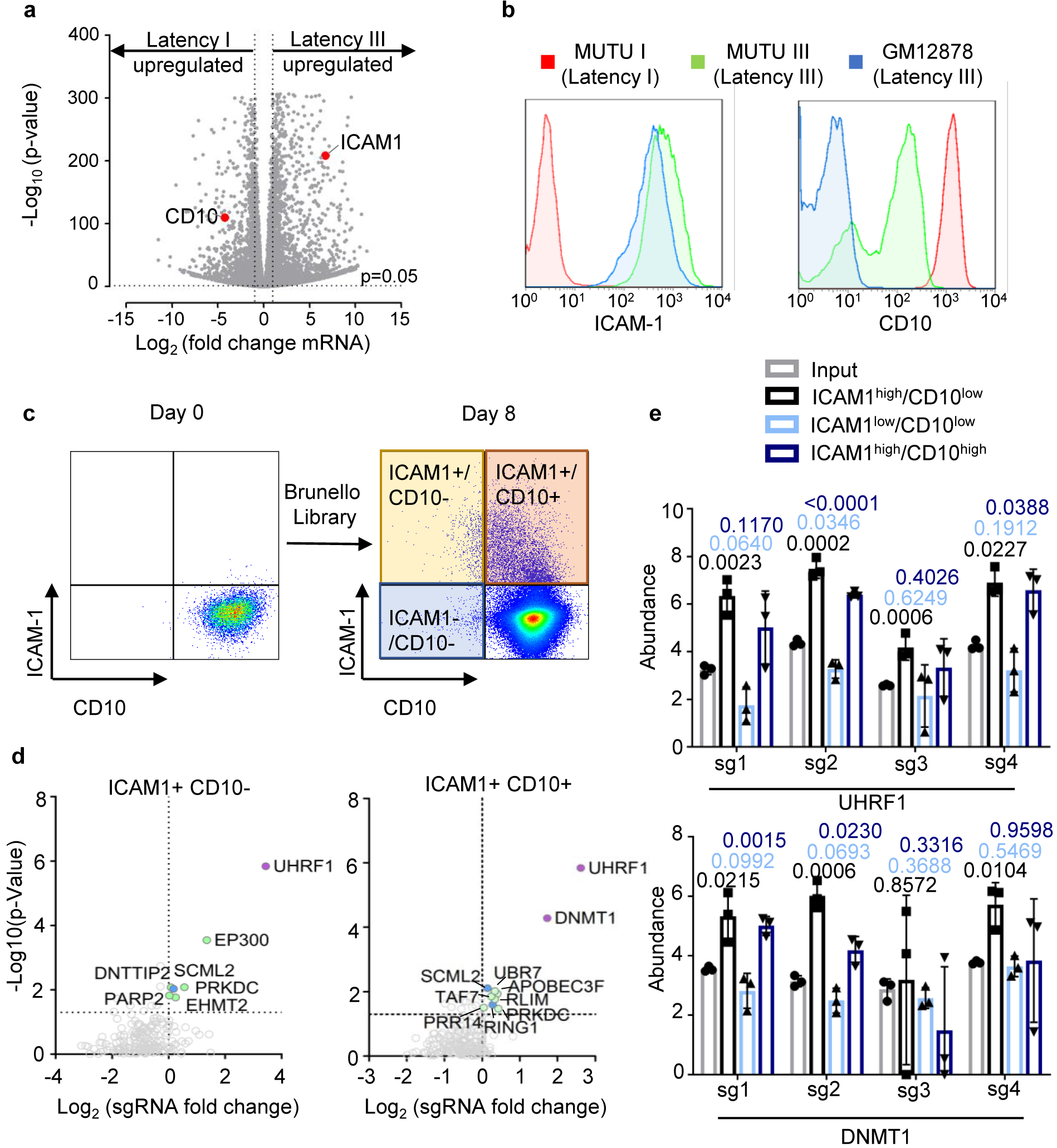
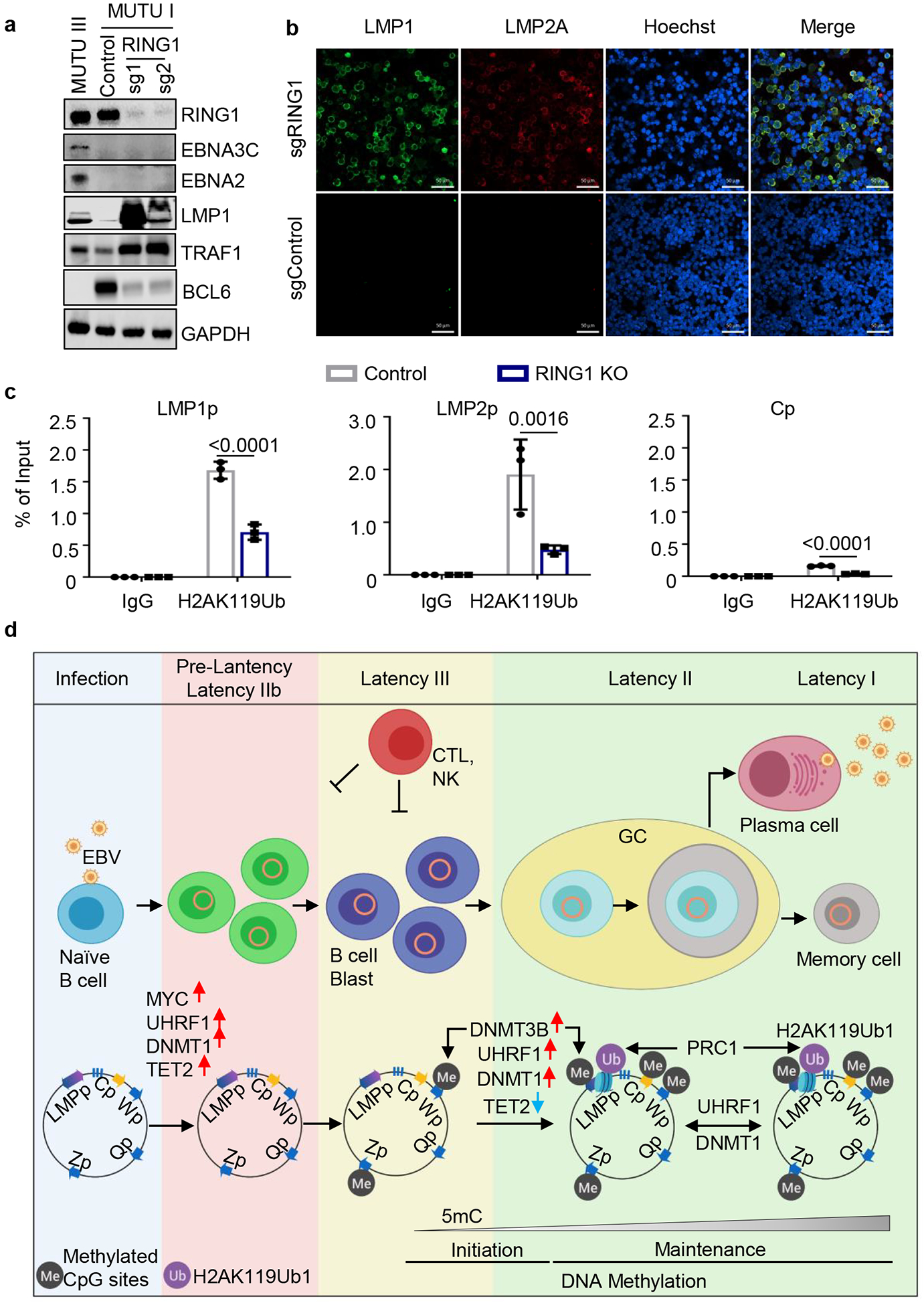
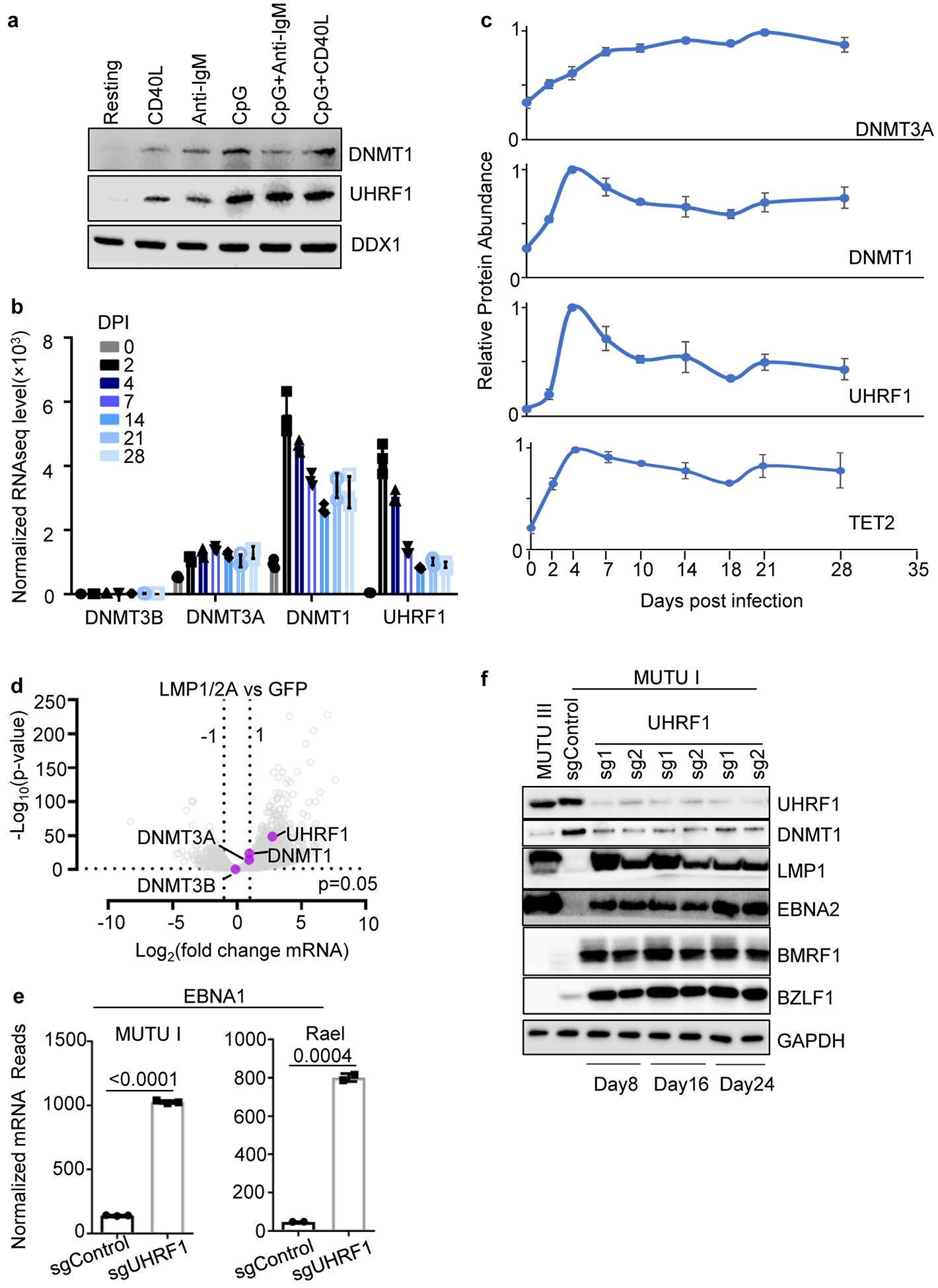
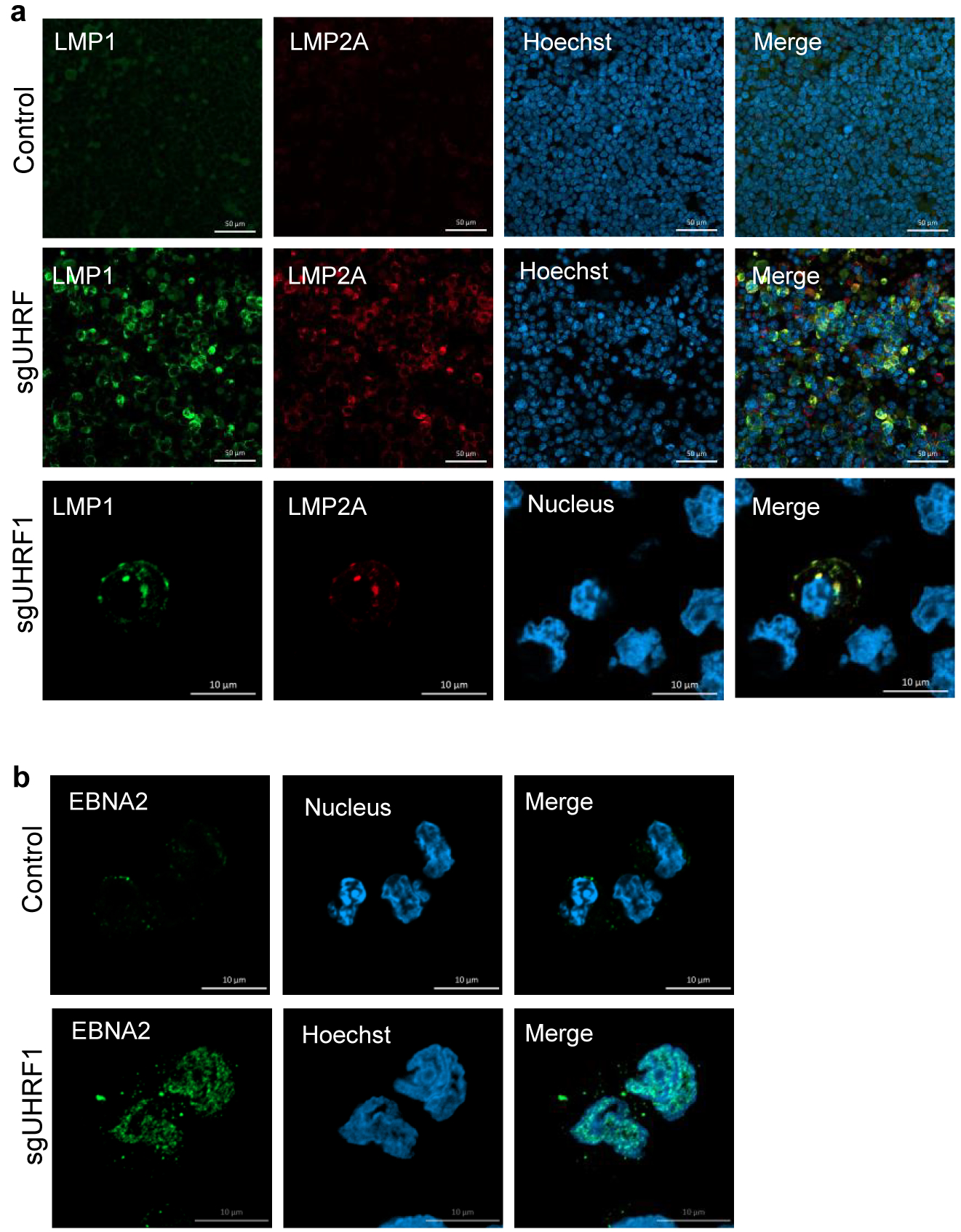
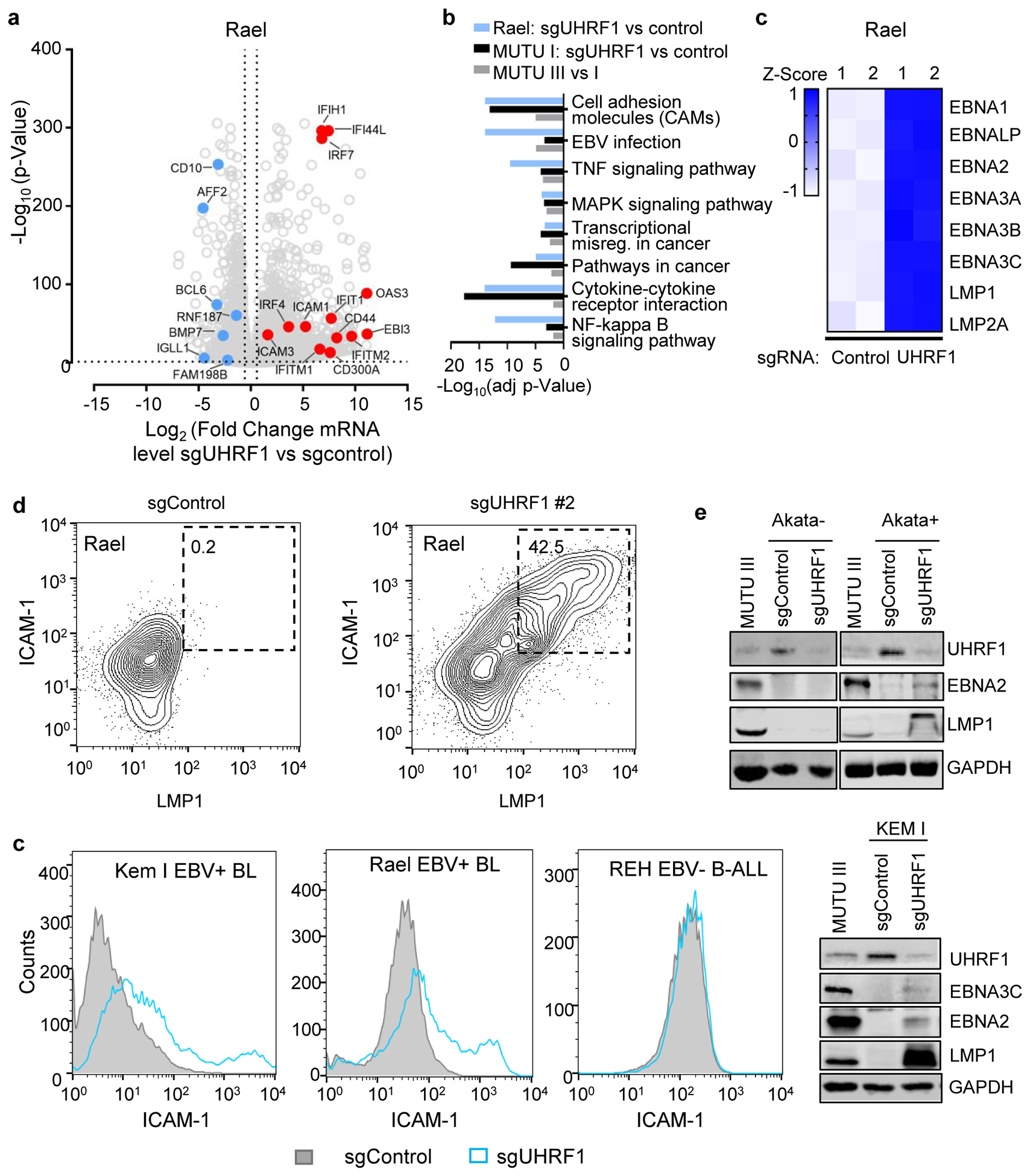
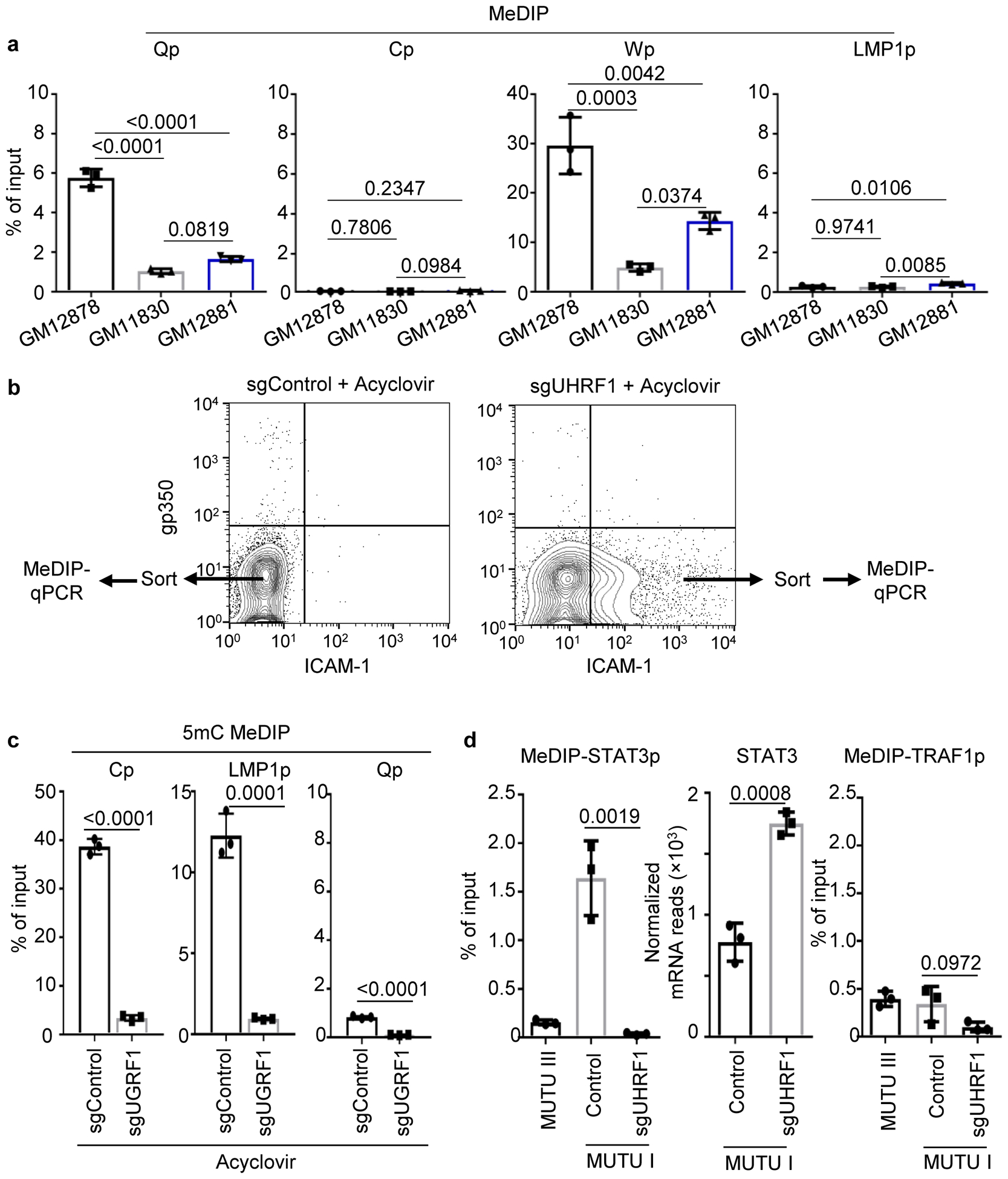
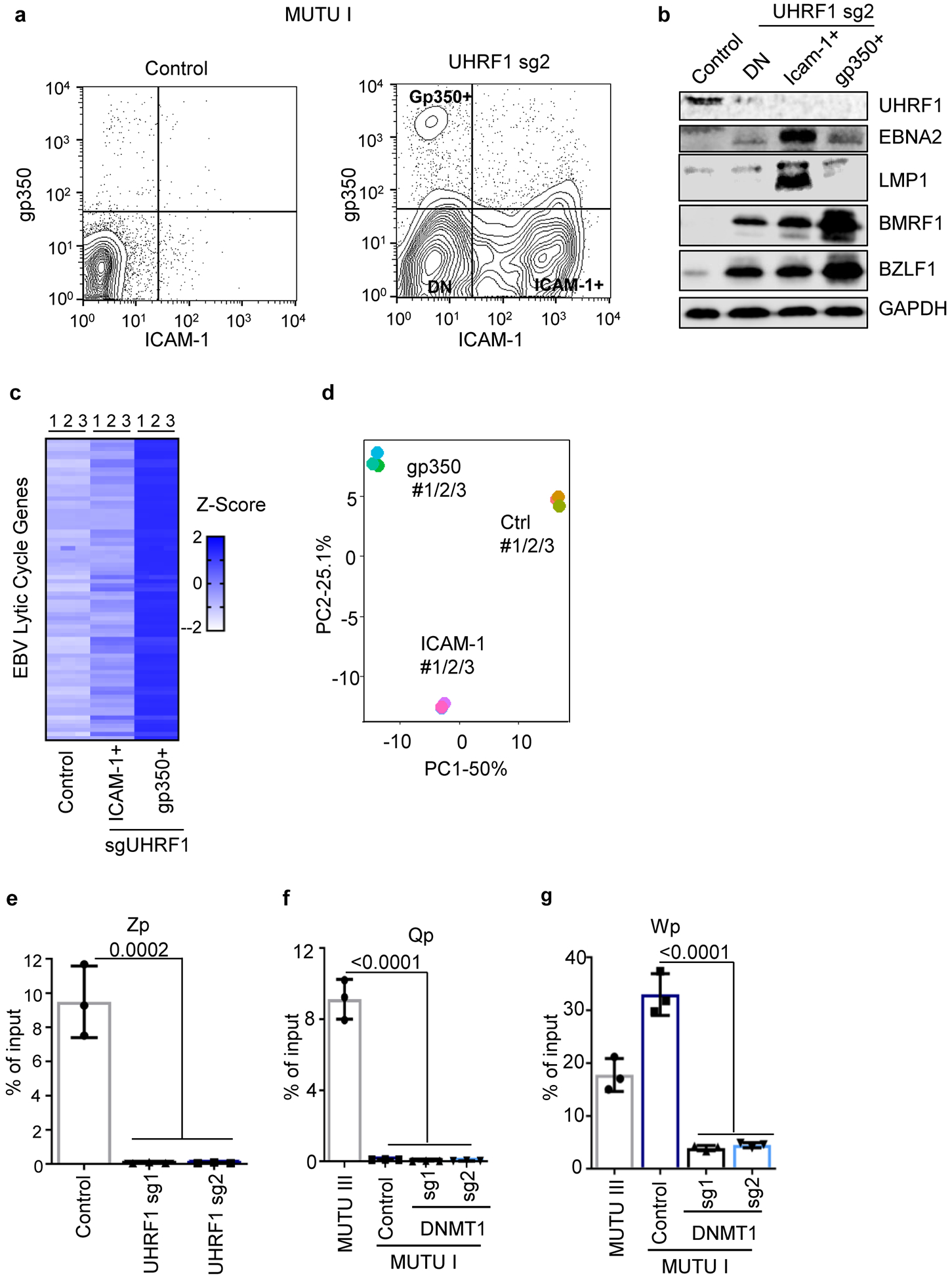
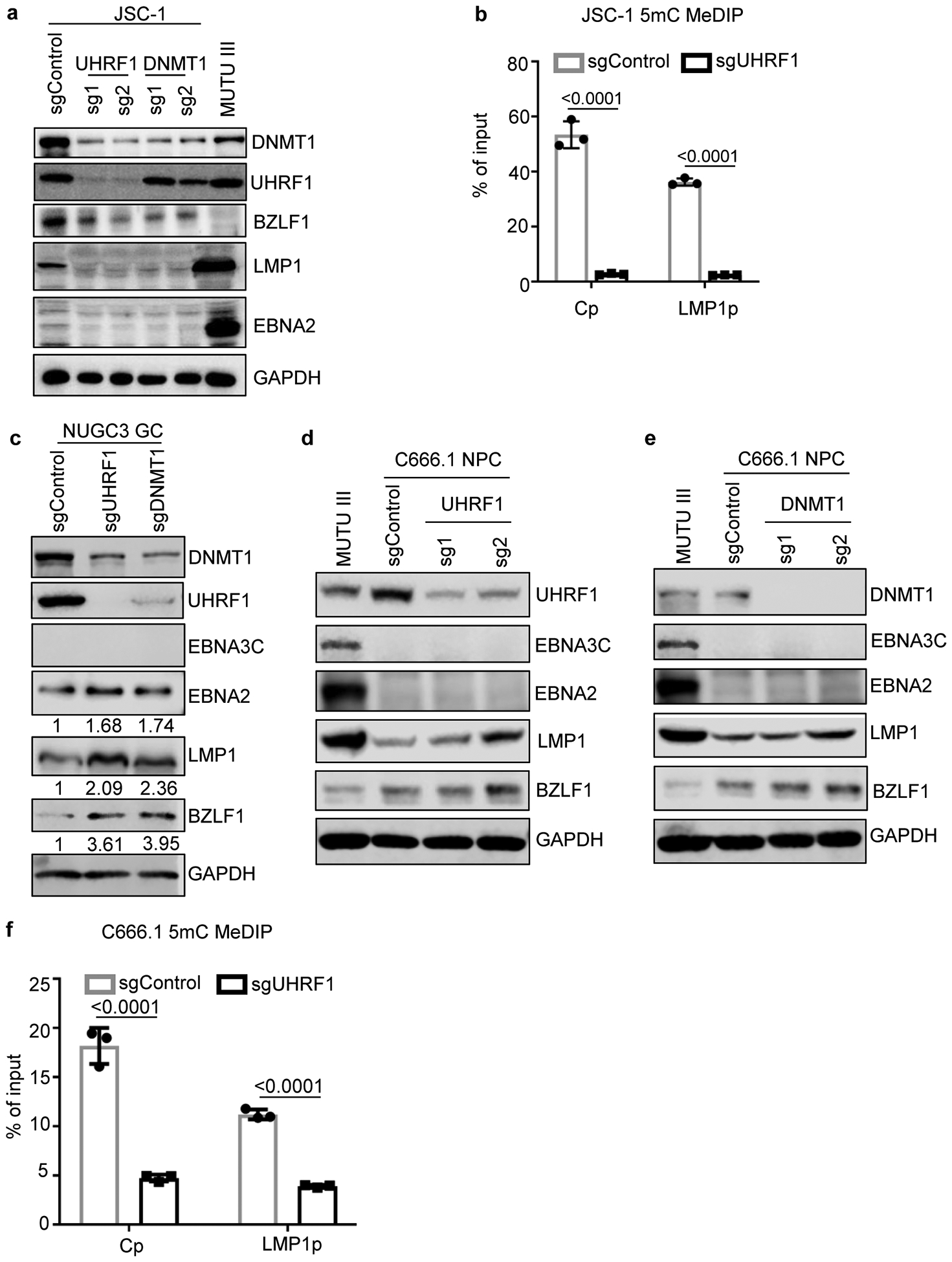
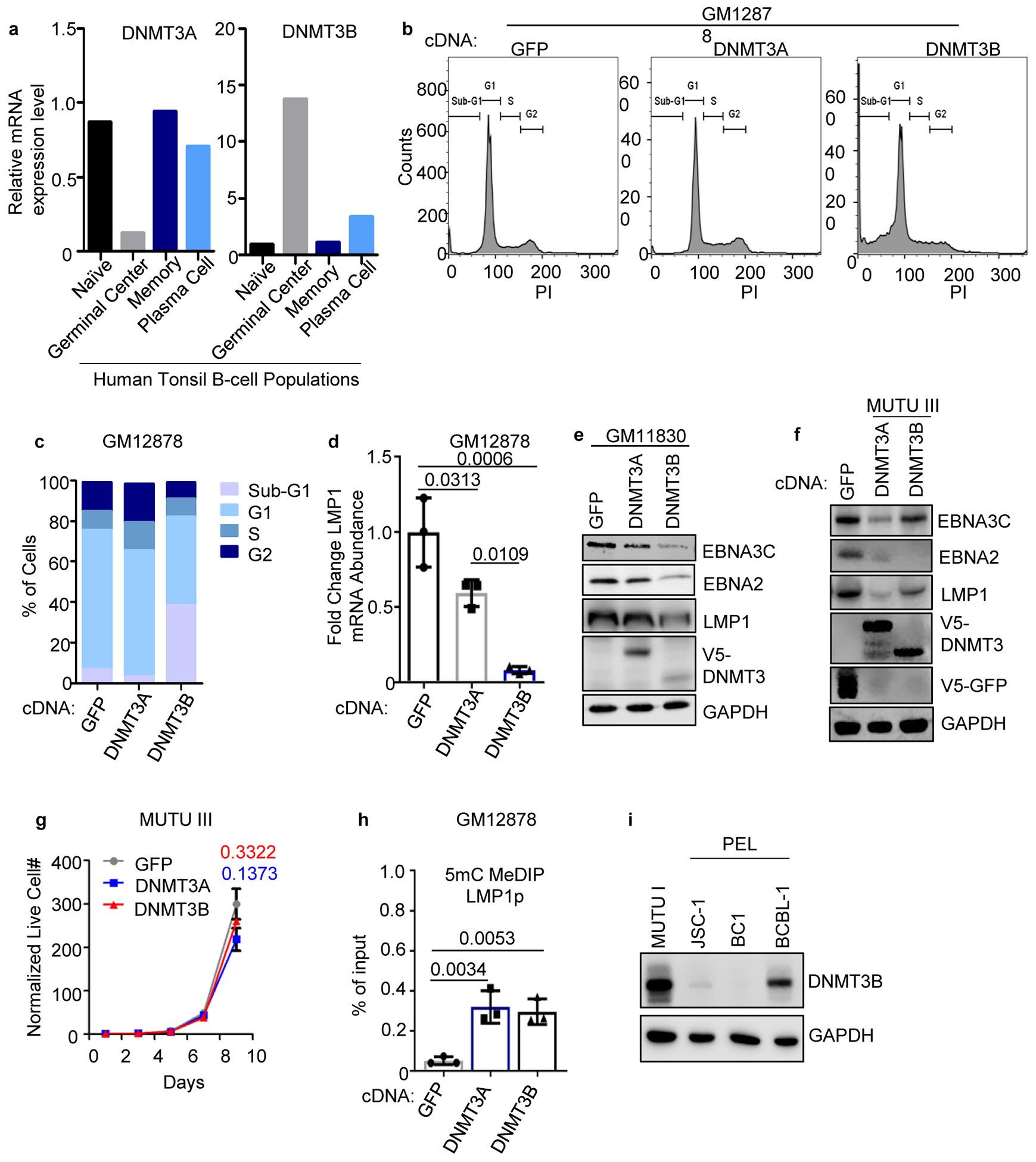
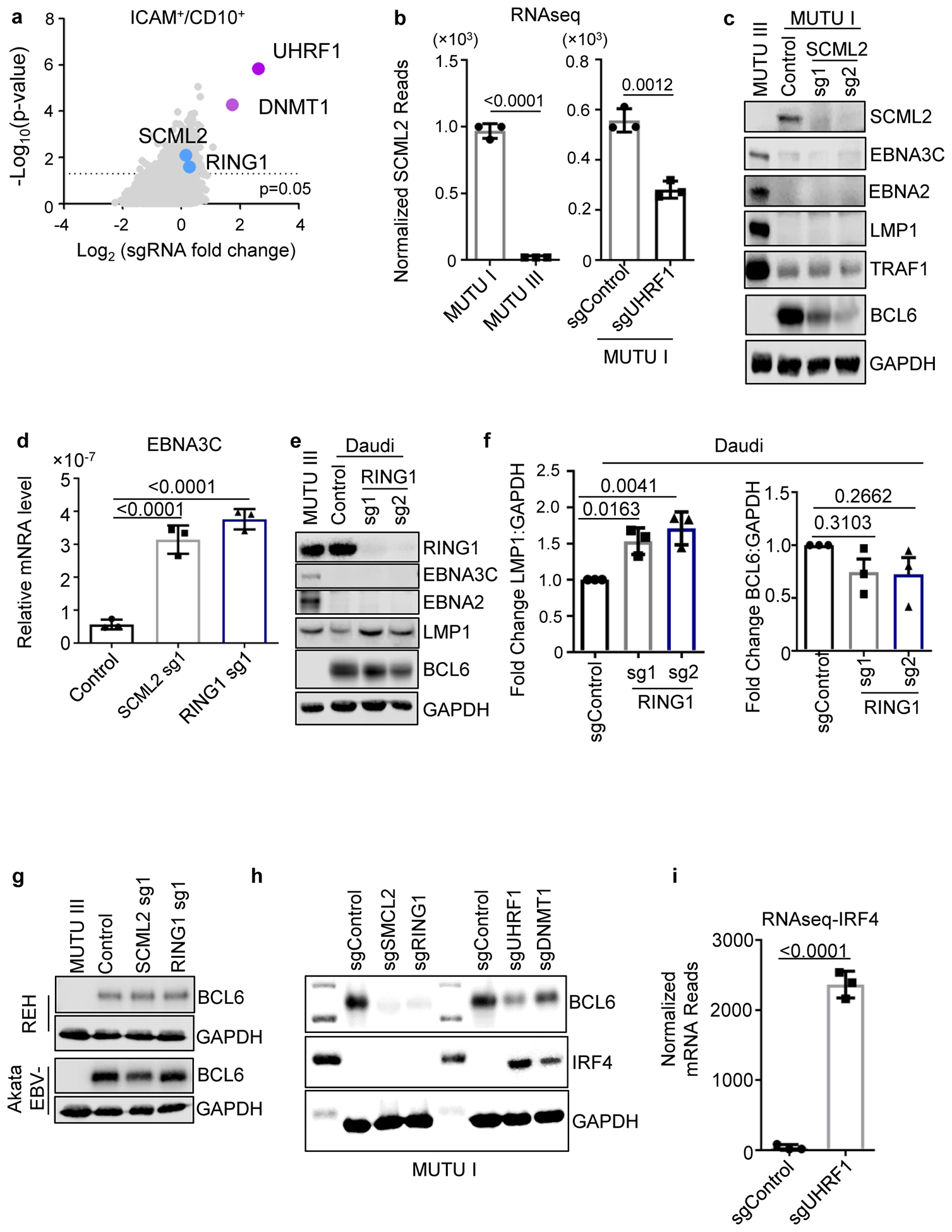
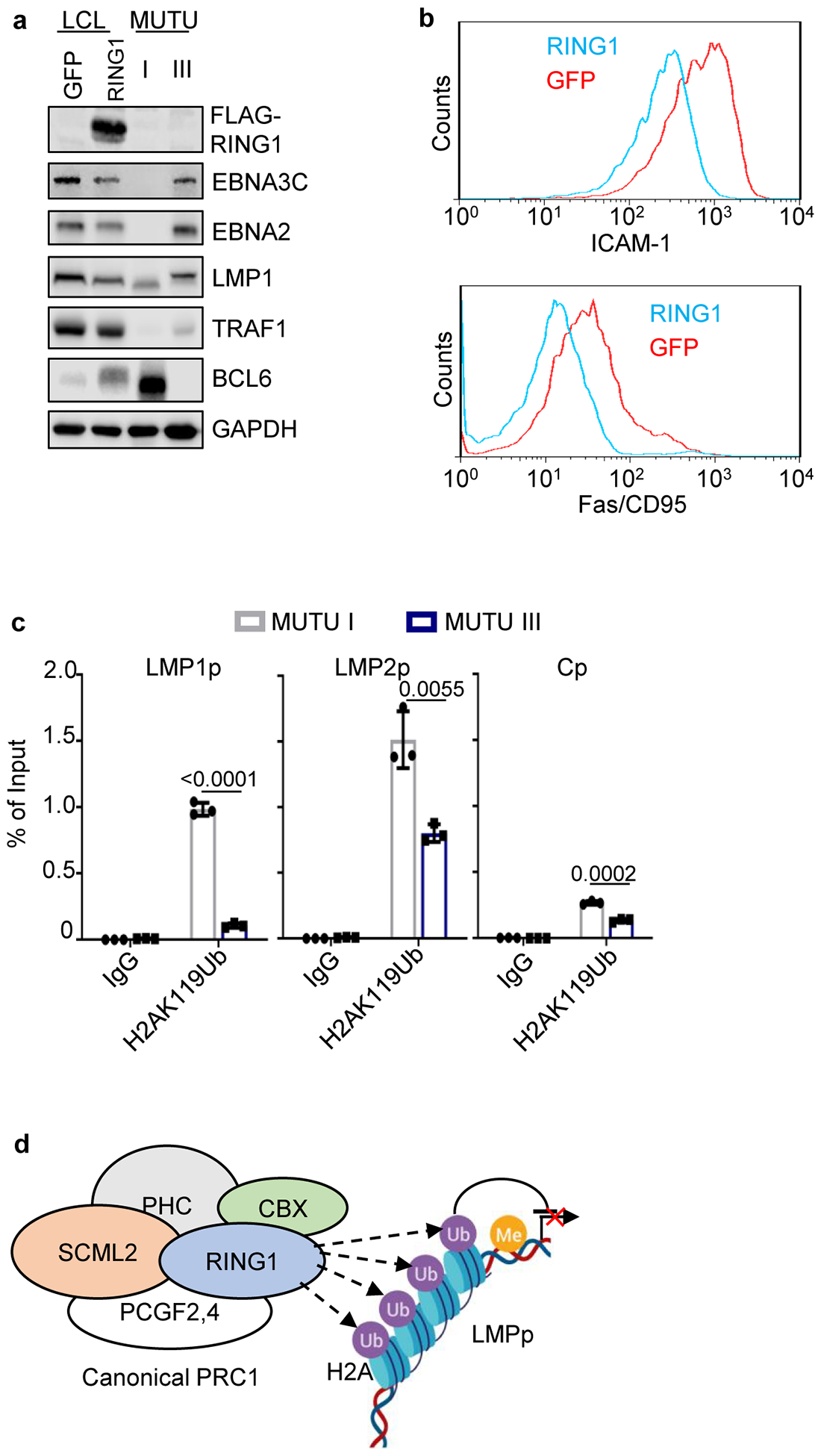
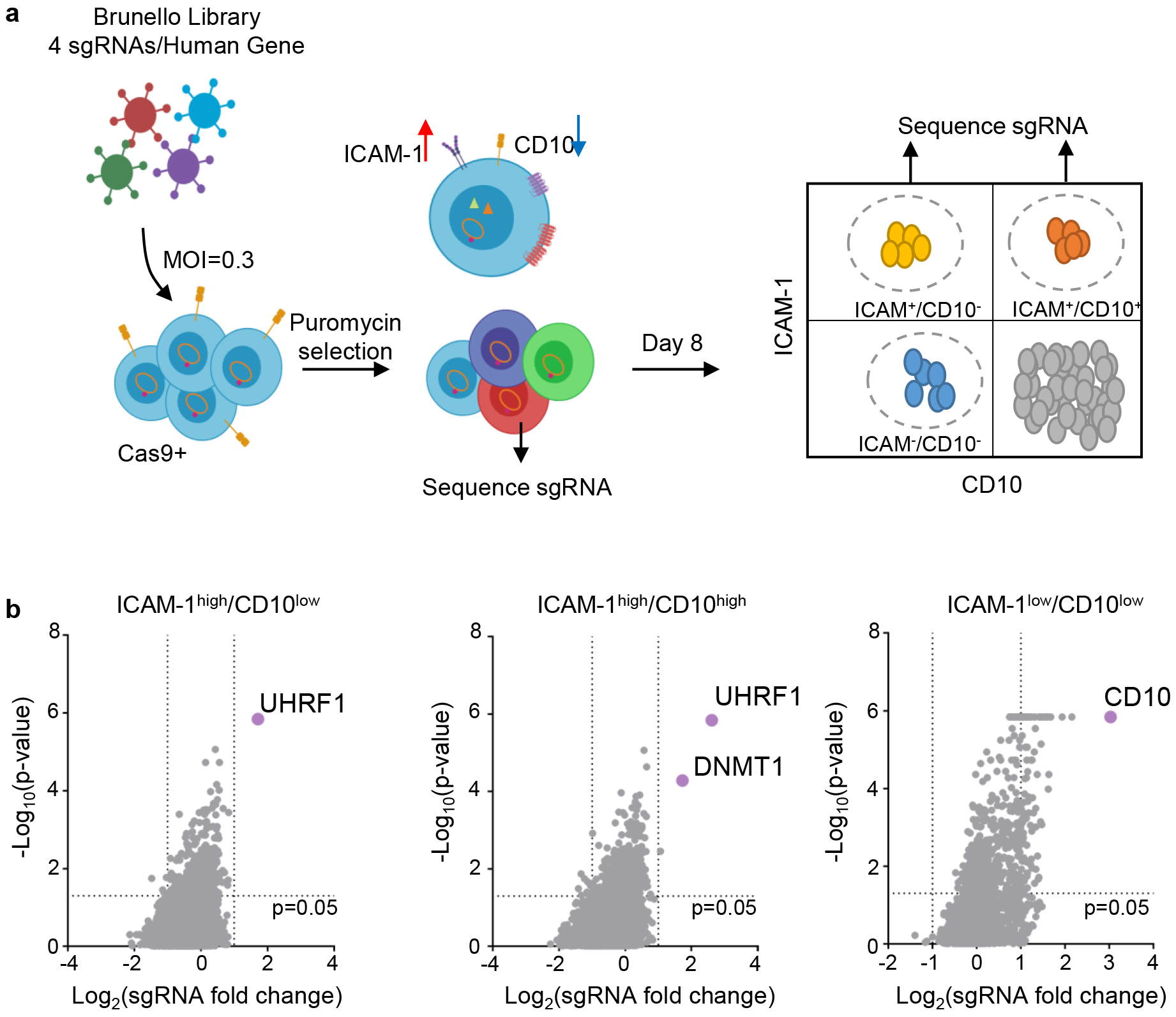
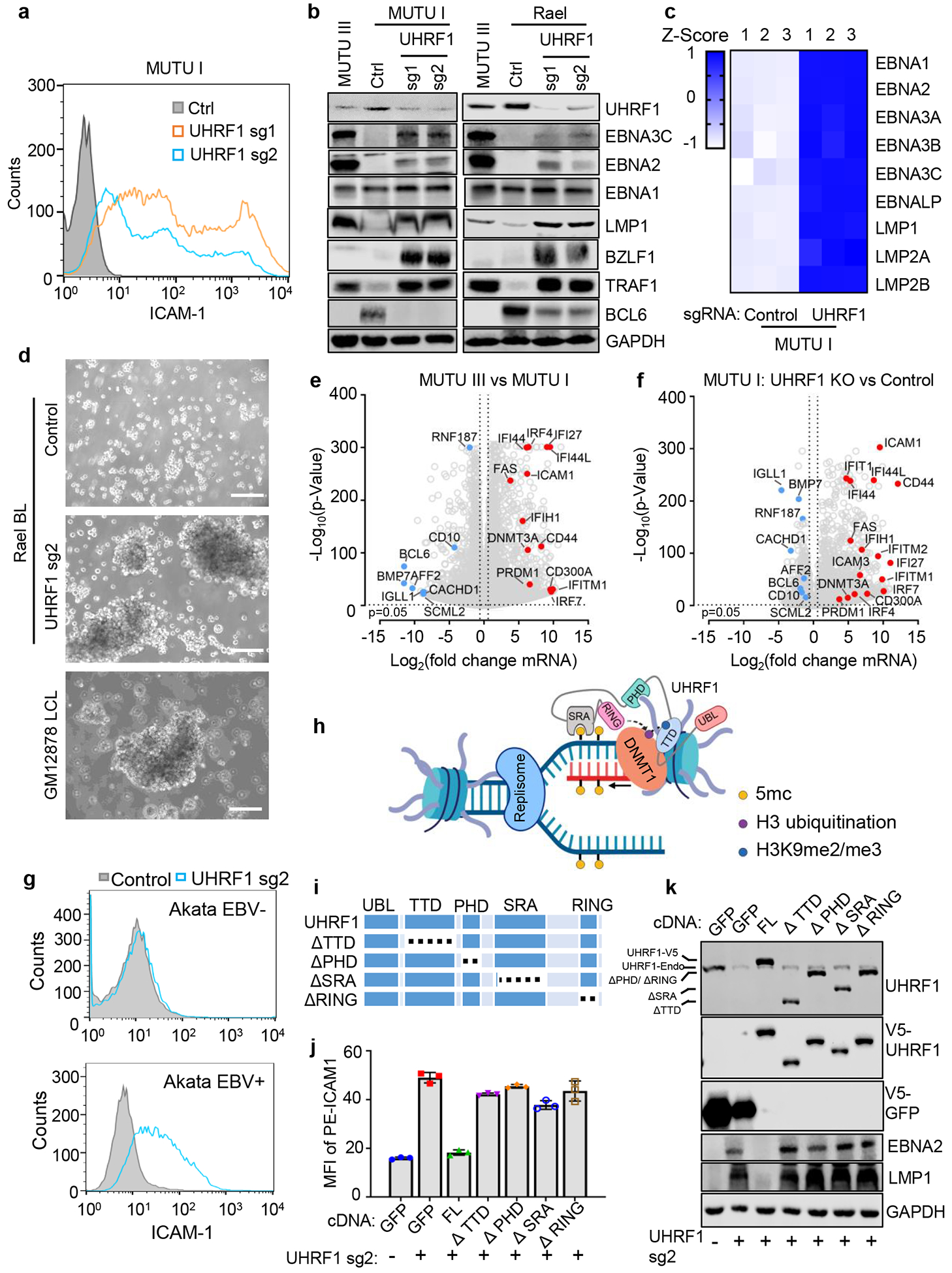
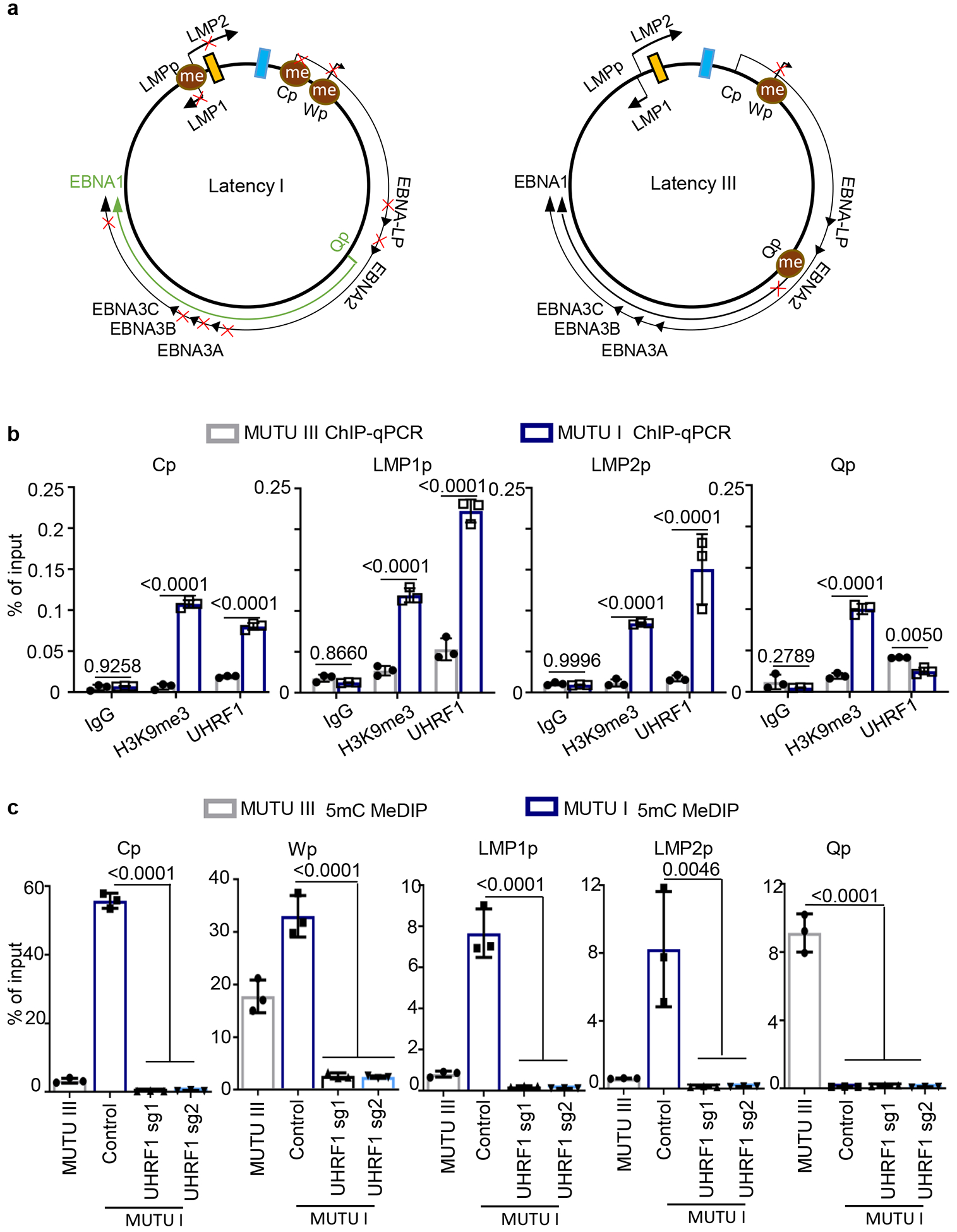
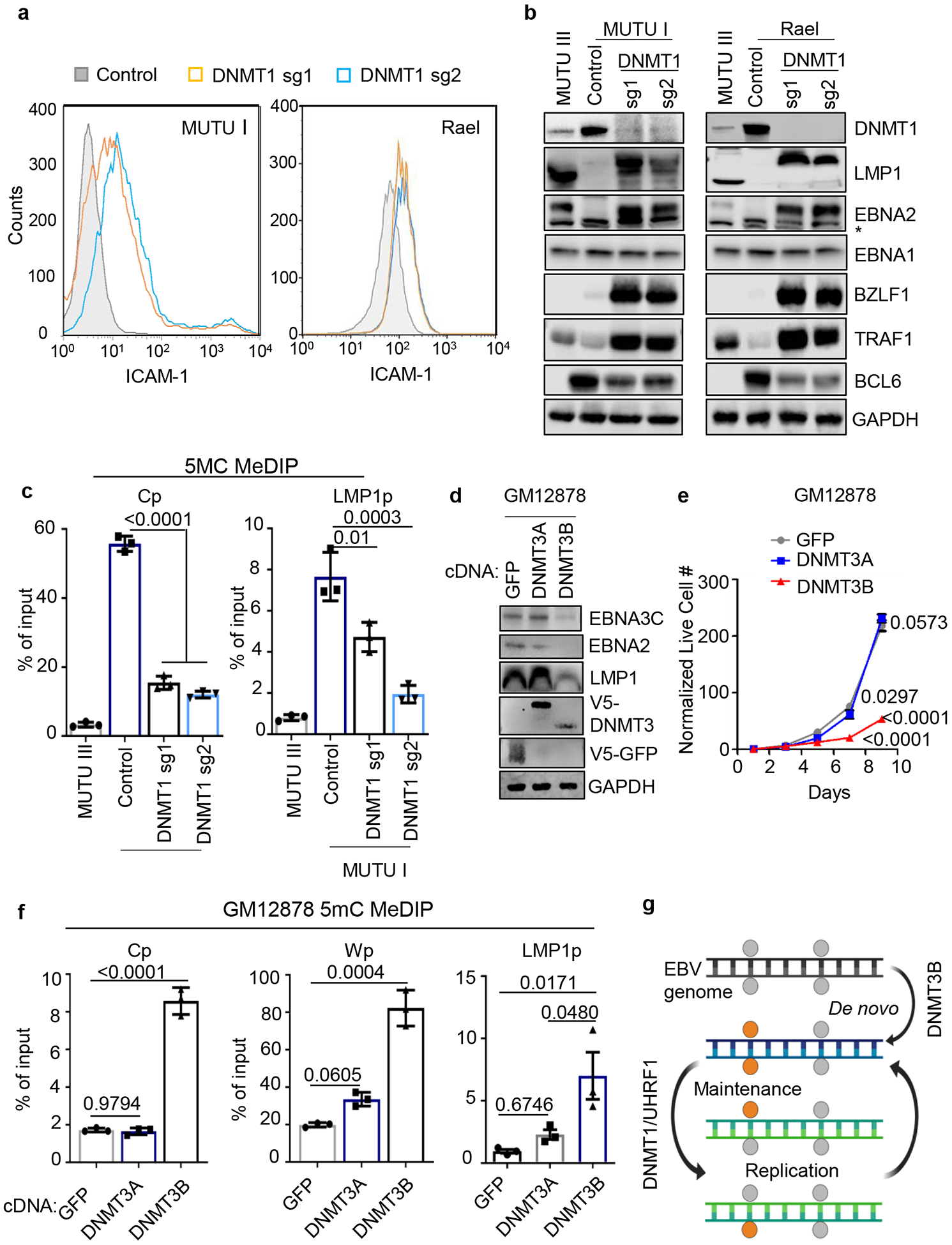
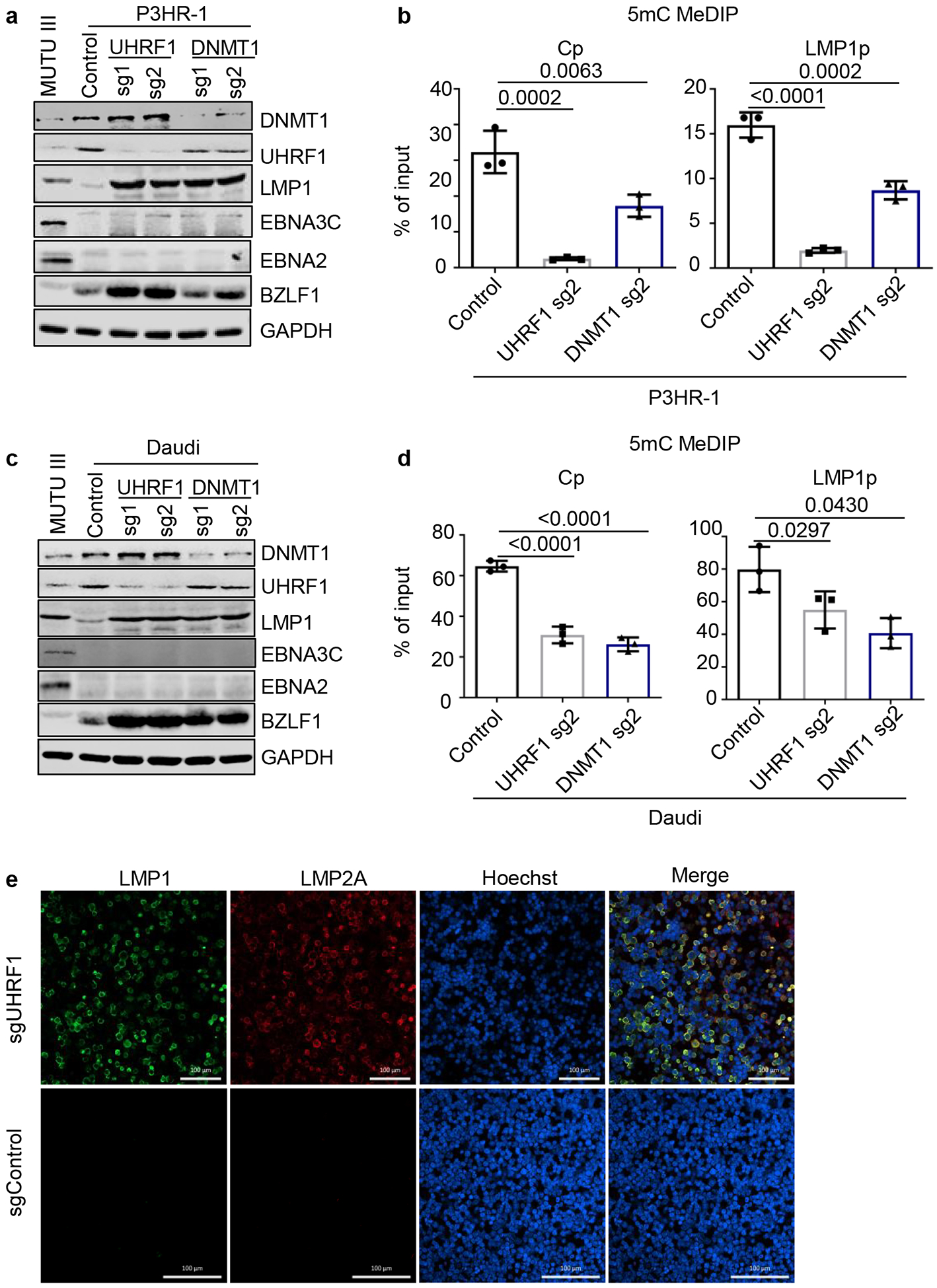
To accomplish the remarkable task of lifelong infection, the Epstein-Barr virus (EBV) switches between four viral genome latency and lytic programmes to navigate the B-cell compartment and evade immune responses. The transforming programme, consisting of highly immunogenic EBV nuclear antigen (EBNA) and latent membrane proteins (LMPs), is expressed in newly infected B lymphocytes and in post-transplant lymphomas. On memory cell differentiation and in most EBV-associated Burkitt's lymphomas, all but one viral antigen are repressed for immunoevasion. To gain insights into the epigenetic mechanisms that restrict immunogenic oncoprotein expression, a genome-scale CRISPR-Cas9 screen was performed in EBV and Burkitt's lymphoma cells. Here, we show that the ubiquitin ligase ubiquitin-like PHD and RING finger domain-containing protein 1 (UHRF1) and its DNA methyltransferase partner DNA methyltransferase I (DNMT1) are critical for the restriction of EBNA and LMP expression. All UHRF1 reader and writer domains were necessary for silencing and DNMT3B was identified as an upstream viral genome CpG methylation initiator. Polycomb repressive complex I exerted a further layer of control over LMP expression, suggesting a second mechanism for latency programme switching. UHRF1, DNMT1 and DNMT3B are upregulated in germinal centre B cells, the Burkitt's lymphoma cell of origin, providing a molecular link between B-cell state and the EBV latency programme. These results suggest rational therapeutic targets to manipulate EBV oncoprotein expression.
为了完成终生感染这一非凡任务,EB 病毒(EBV)在四种病毒基因组潜伏和裂解程序之间切换,以在 B 细胞区室中导航并逃避免疫反应。转化程序由高度免疫原性 EBV 核抗原(EBNA)和潜伏膜蛋白(LMP)组成,在新感染的 B 淋巴细胞和移植后淋巴瘤中表达。在记忆细胞分化和大多数 EBV 相关伯基特淋巴瘤中,除一种病毒抗原外,所有抗原均被抑制以逃避免疫。为了深入了解限制免疫原性致癌蛋白表达的表观遗传机制,在 EBV 和伯基特淋巴瘤细胞中进行了全基因组 CRISPR-Cas9 筛选。在这里,我们表明泛素连接酶泛素样 PHD 和环指域蛋白 1(UHRF1)及其 DNA 甲基转移酶伴侣 DNA 甲基转移酶 I(DNMT1)对于限制 EBNA 和 LMP 表达至关重要。所有 UHRF1 阅读器和写入器结构域对于沉默都是必需的,并且鉴定出 DNA 甲基转移酶 3B 是病毒基因组 CpG 甲基化的上游起始因子。多梳抑制复合物 I 对 LMP 表达施加了进一步的控制,这表明潜伏程序切换的第二种机制。UHRF1、DNMT1 和 DNMT3B 在生发中心 B 细胞中上调,生发中心 B 细胞是伯基特淋巴瘤的起源细胞,为 B 细胞状态和 EBV 潜伏程序之间提供了分子联系。这些结果表明了操纵 EBV 致癌蛋白表达的合理治疗靶标。