Department of Agricultural and Food Sciences (DISTAL), Division of Animal Science, University of Bologna, Bologna, Italy.
Super Computing Applications and Innovation Department (SCAI), CINECA, Rome, Italy.
PLoS One. 2020 May 19;15(5):e0233372. doi: 10.1371/journal.pone.0233372. eCollection 2020.
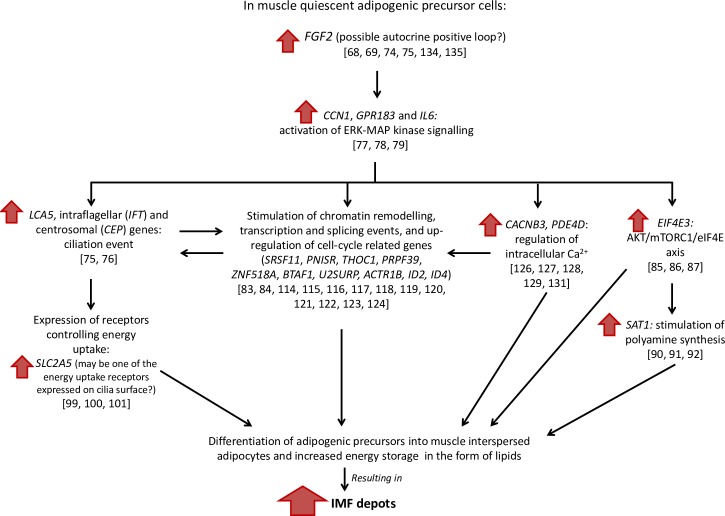
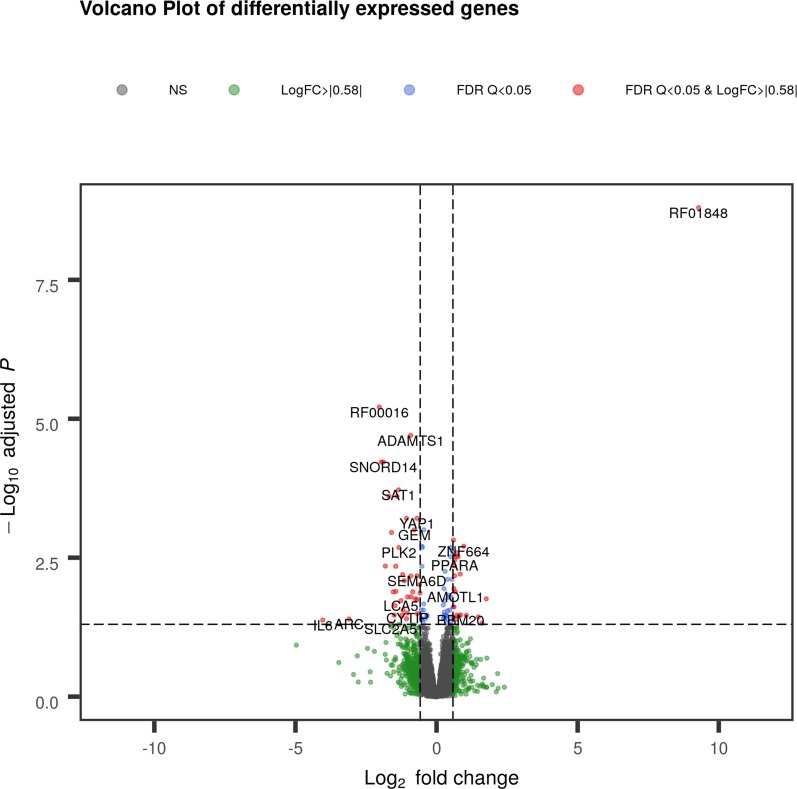
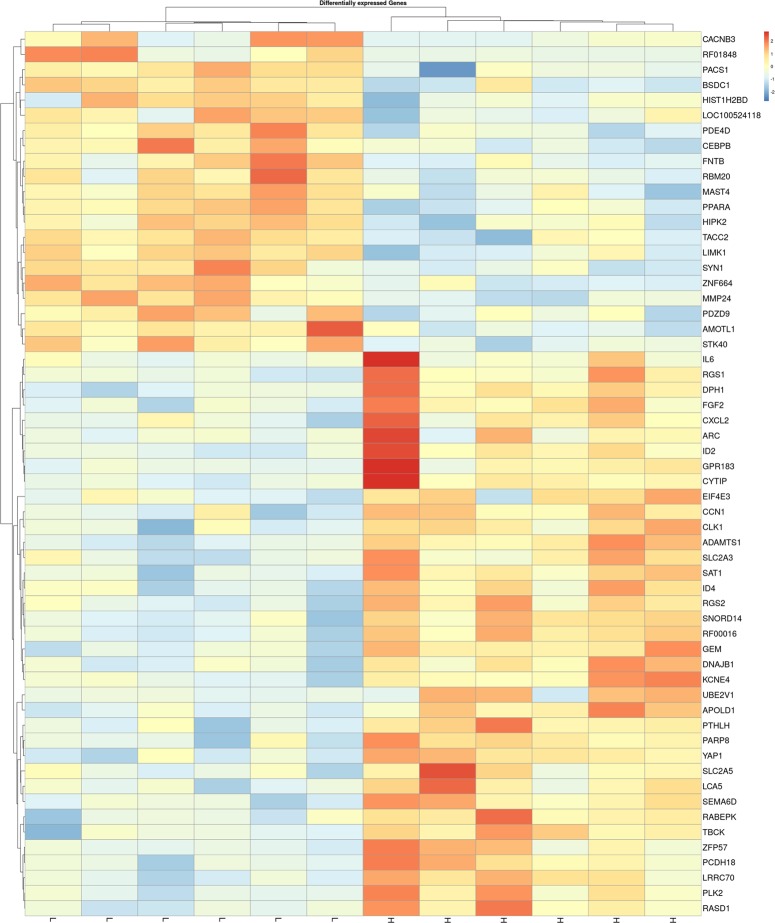
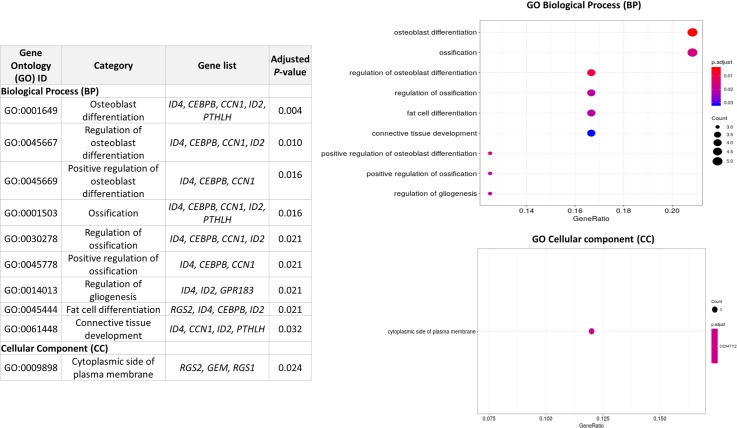
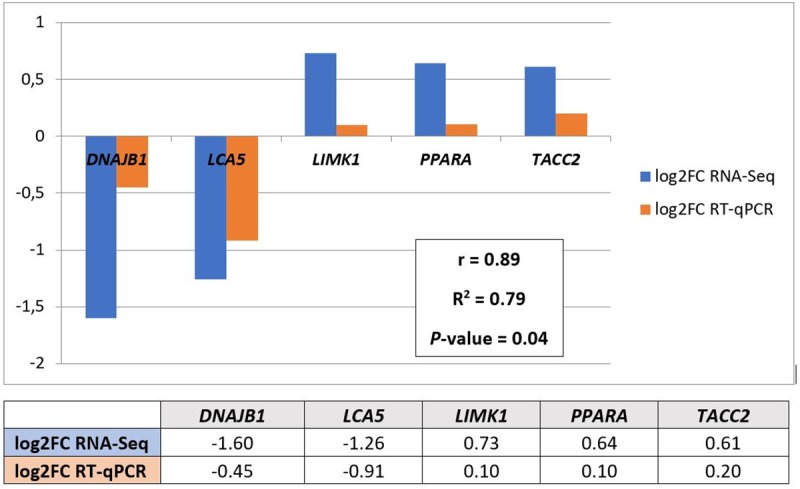
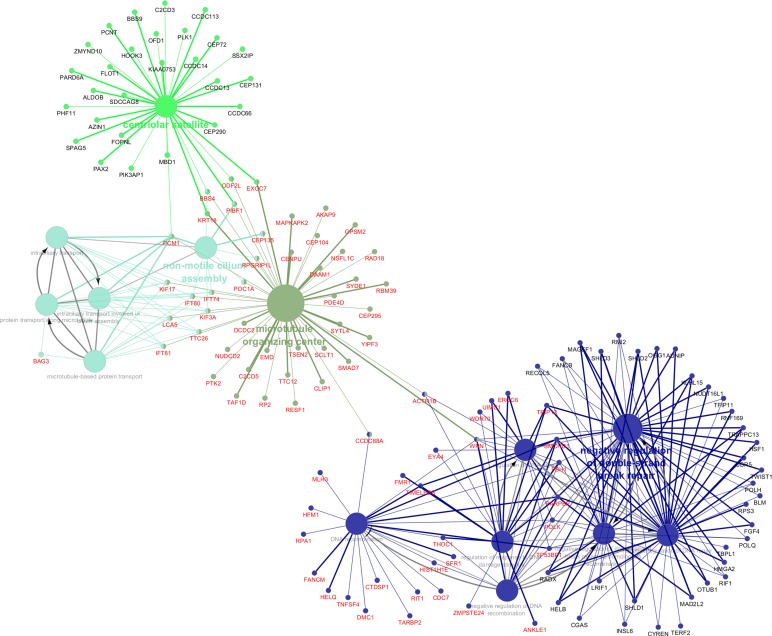
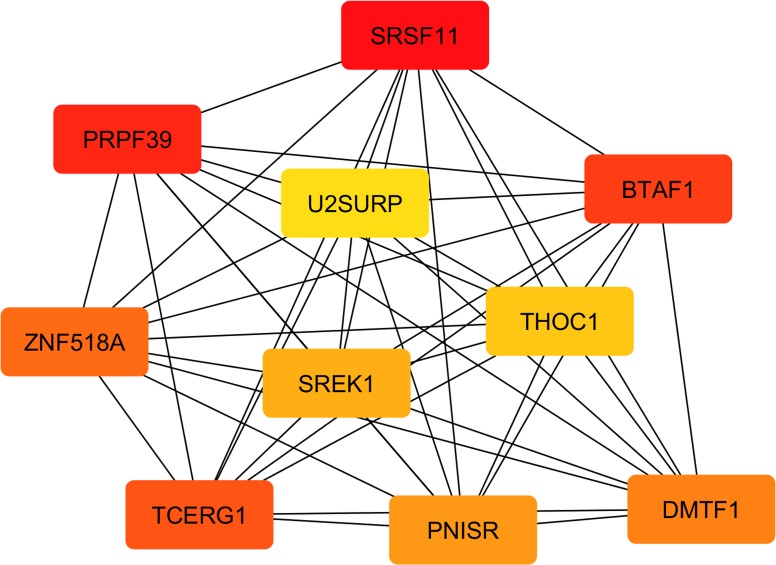
Intramuscular fat content (IMF) is a complex trait influencing the technological and sensorial features of meat products and determining pork quality. Thus, we aimed at analyzing through RNA-sequencing the Semimembranosus muscle transcriptome of Italian Large White pigs to study the gene networks associated with IMF deposition. Two groups of samples were used; each one was composed of six unrelated pigs with extreme and divergent IMF content (0.67 ± 0.09% in low IMF vs. 6.81 ± 1.17% in high IMF groups) that were chosen from 950 purebred individuals. Paired-end RNA sequences were aligned to Sus scrofa genome assembly 11.1 and gene counts were analyzed using WGCNA and DeSeq2 packages in R environment. Interestingly, among the 58 differentially expressed genes (DEGs), several were related to primary cilia organelles (such as Lebercilin 5 gene), in addition to the genes involved in the regulation of cell differentiation, in the control of RNA-processing, and G-protein and ERK signaling pathways. Together with cilia-related genes, we also found in high IMF pigs an over-expression of the Fibroblast Growth Factor 2 (FGF2) gene, which in other animal species was found to be a regulator of ciliogenesis. Four WGCNA gene modules resulted significantly associated with IMF deposition: grey60 (P = 0.003), darkturquoise (P = 0.022), skyblue1 (P = 0.022), and lavenderblush3 (P = 0.030). The genes in the significant modules confirmed the results obtained for the DEGs, and the analysis with "cytoHubba" indicated genes controlling RNA splicing and cell differentiation as hub genes. Among the complex molecular processes affecting muscle fat depots, genes involved in primary cilia may have an important role, and the transcriptional reprogramming observed in high IMF pigs may be related to an FGF-related molecular cascade and to ciliogenesis, which in the literature have been associated with fibro-adipogenic precursor differentiation.
肌肉内脂肪含量(IMF)是影响肉品技术和感官特性并决定猪肉质量的复杂特征。因此,我们旨在通过 RNA 测序分析意大利大白猪半膜肌转录组,研究与 IMF 沉积相关的基因网络。使用了两组样本;每组由 6 头无亲缘关系的猪组成,IMF 含量差异很大(低 IMF 组为 0.67 ± 0.09%,高 IMF 组为 6.81 ± 1.17%),这些猪是从 950 头纯种个体中选择的。将配对末端 RNA 序列比对到 Sus scrofa 基因组组装 11.1,并在 R 环境中使用 WGCNA 和 DeSeq2 包分析基因计数。有趣的是,在 58 个差异表达基因(DEGs)中,有几个与初级纤毛细胞器有关(例如 Lebercilin 5 基因),此外还有参与细胞分化调控、RNA 加工调控以及 G 蛋白和 ERK 信号通路的基因。除了纤毛相关基因,我们还在高 IMF 猪中发现了成纤维细胞生长因子 2(FGF2)基因的过度表达,在其他动物物种中,该基因被发现是纤毛发生的调节剂。四个 WGCNA 基因模块与 IMF 沉积显著相关:grey60(P = 0.003)、darkturquoise(P = 0.022)、skyblue1(P = 0.022)和 lavenderblush3(P = 0.030)。显著模块中的基因证实了 DEGs 的结果,并且使用“cytoHubba”的分析表明,控制 RNA 剪接和细胞分化的基因是枢纽基因。在影响肌肉脂肪沉积的复杂分子过程中,初级纤毛相关基因可能具有重要作用,高 IMF 猪中观察到的转录重编程可能与 FGF 相关的分子级联和纤毛发生有关,文献中已经将纤毛发生与成纤维细胞-脂肪前体细胞分化联系起来。