Preckel Benedikt, Schultz Marcus J, Vlaar Alexander P, Hulst Abraham H, Hermanides Jeroen, de Jong Menno D, Schlack Wolfgang S, Stevens Markus F, Weenink Robert P, Hollmann Markus W
Department of Anesthesiology, Amsterdam University Medical Centers, Location AMC, Meibergdreef 9, 1105 AZ Amsterdam, The Netherlands.
Laboratory of Experimental Intensive Care and Anesthesiology (L·E·I·C·A), Amsterdam University Medical Centers, Location AMC, 1105 AZ Amsterdam, The Netherlands.
J Clin Med. 2020 May 15;9(5):1495. doi: 10.3390/jcm9051495.
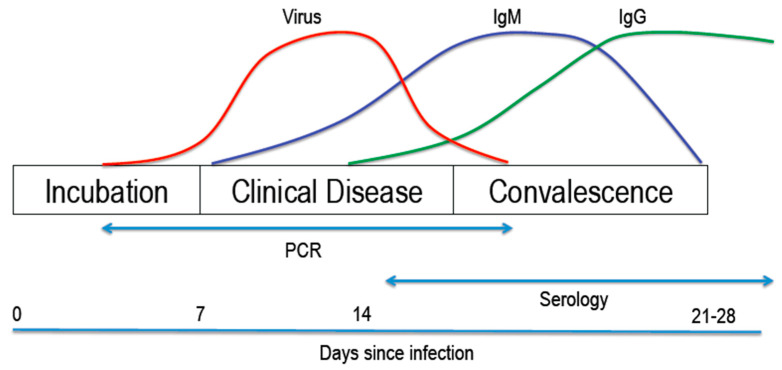
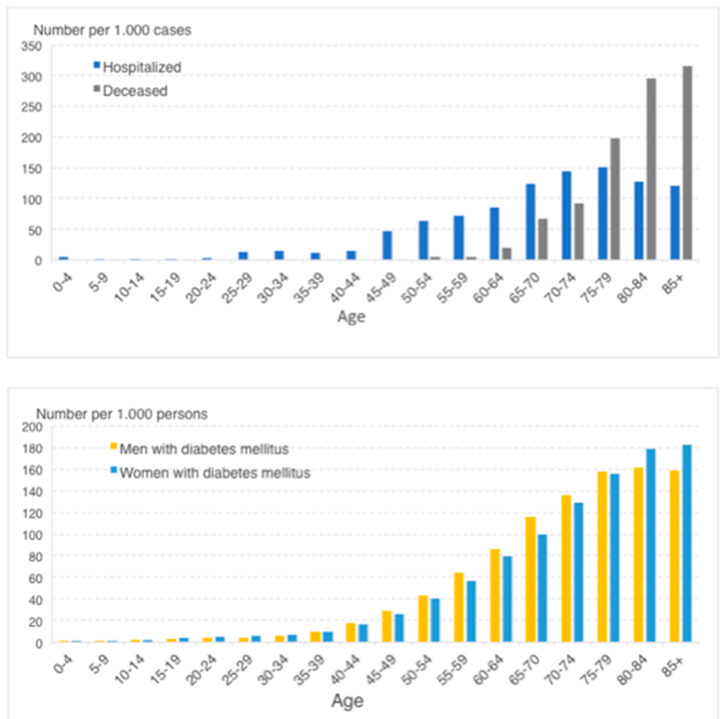
When preparing for the outbreak of severe acute respiratory syndrome coronavirus 2 (SARS-CoV-2) infection and the coronavirus infection disease (COVID-19) questions arose regarding various aspects concerning the anaesthetist. When reviewing the literature it became obvious that keeping up-to-date with all relevant publications is almost impossible. We searched for and summarised clinically relevant topics that could help making clinical decisions. This is a subjective analysis of literature concerning specific topics raised in our daily practice (e.g., clinical features of COVID-19 patients; ventilation of the critically ill COVID-19 patient; diagnostic of infection with SARS-CoV-2; stability of the virus; Covid-19 in specific patient populations, e.g., paediatrics, immunosuppressed patients, patients with hypertension, diabetes mellitus, kidney or liver disease; co-medication with non-steroidal anti-inflammatory drugs (NSAIDs); antiviral treatment) and we believe that these answers help colleagues in clinical decision-making. With ongoing treatment of severely ill COVID-19 patients other questions will come up. While respective guidelines on these topics will serve clinicians in clinical practice, regularly updating all guidelines concerning COVID-19 will be a necessary, although challenging task in the upcoming weeks and months. All recommendations during the current extremely rapid development of knowledge must be evaluated on a daily basis, as suggestions made today may be out-dated with the new evidence available tomorrow.
在为严重急性呼吸综合征冠状病毒2(SARS-CoV-2)感染和冠状病毒感染疾病(COVID-19)的爆发做准备时,出现了关于麻醉医生各个方面的问题。在查阅文献时,很明显几乎不可能跟上所有相关出版物的更新。我们搜索并总结了有助于做出临床决策的临床相关主题。这是对我们日常实践中提出的特定主题相关文献的主观分析(例如,COVID-19患者的临床特征;重症COVID-19患者的通气;SARS-CoV-2感染的诊断;病毒的稳定性;特定患者群体中的COVID-19,如儿科、免疫抑制患者、高血压患者、糖尿病患者、肾脏或肝脏疾病患者;与非甾体抗炎药(NSAIDs)的联合用药;抗病毒治疗),我们相信这些答案有助于同事们进行临床决策。随着对重症COVID-19患者的持续治疗,还会出现其他问题。虽然这些主题的相应指南将为临床医生的临床实践提供帮助,但在未来几周和几个月内,定期更新所有关于COVID-19的指南将是一项必要但具有挑战性的任务。在当前知识飞速发展的过程中,所有建议都必须每天进行评估,因为今天提出的建议可能明天就会因新获得的证据而过时。