Ramos-Ramón Jesús A, Bogireddy Naveen K R, Giles Vieyra Jorge Arturo, Karthik Tangirala V K, Agarwal Vivechana
Centro de Investigación en Ingeniería y Ciencias Aplicadas, Universidad Autónoma del Estado de Morelos, Cuernavaca, Mexico.
Departamento de Metal-Mecánica, Instituto Tecnológico de Zacatepec, Instituto Nacional de México, Zacatepec de Hidalgo, Mexico.
Front Chem. 2020 May 5;8:291. doi: 10.3389/fchem.2020.00291. eCollection 2020.
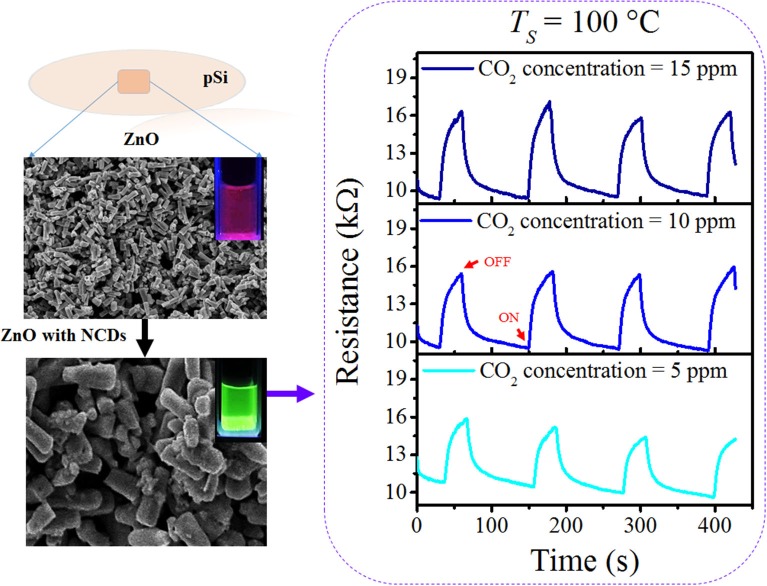
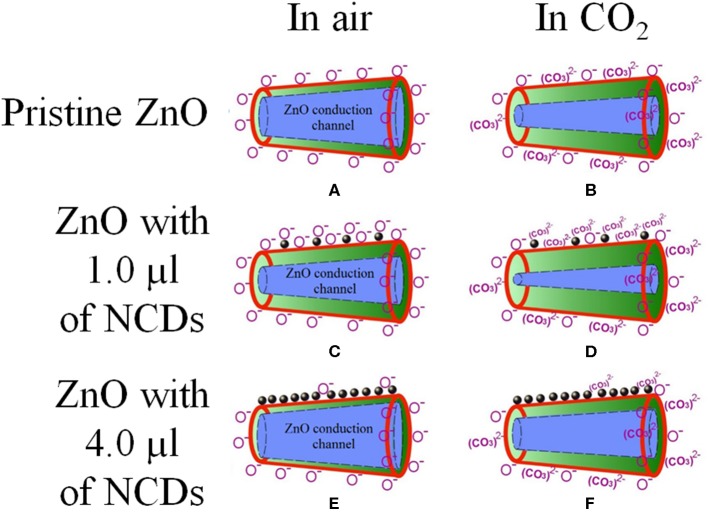
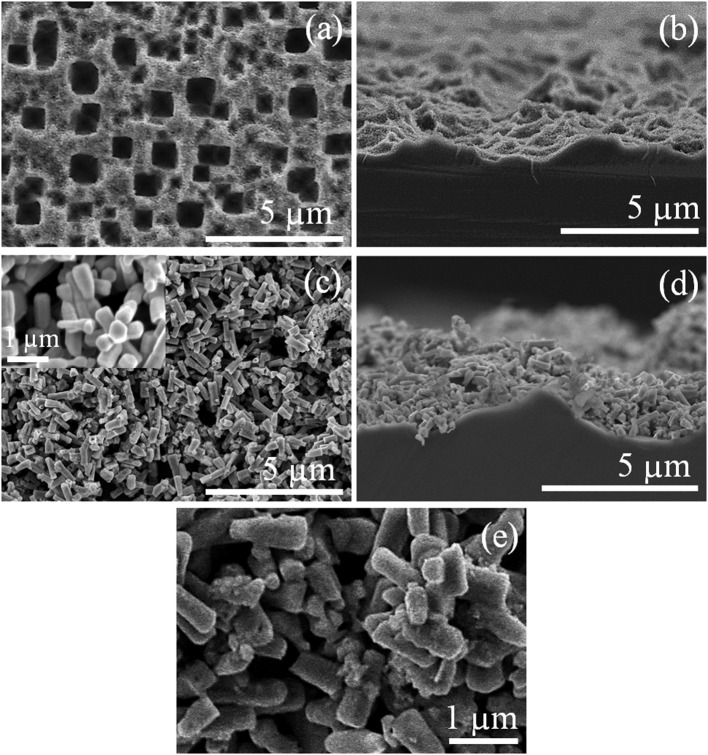
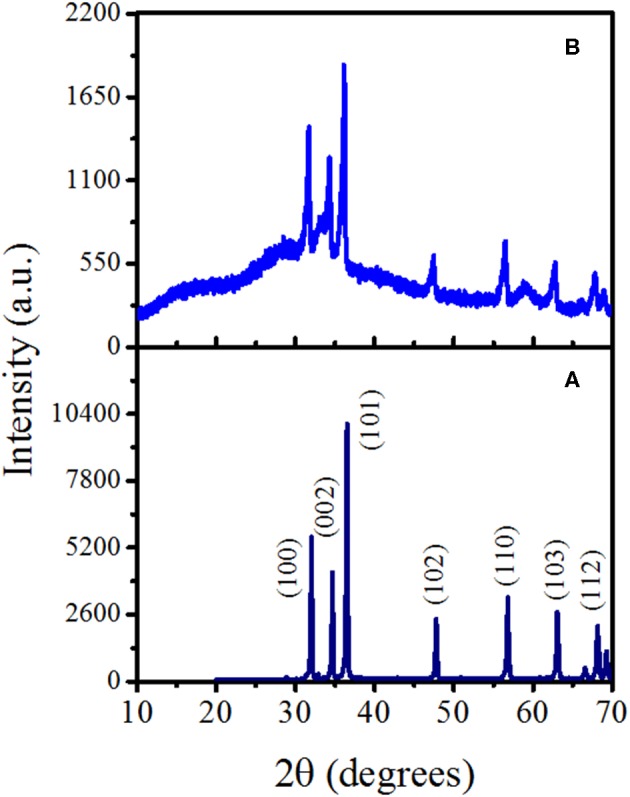
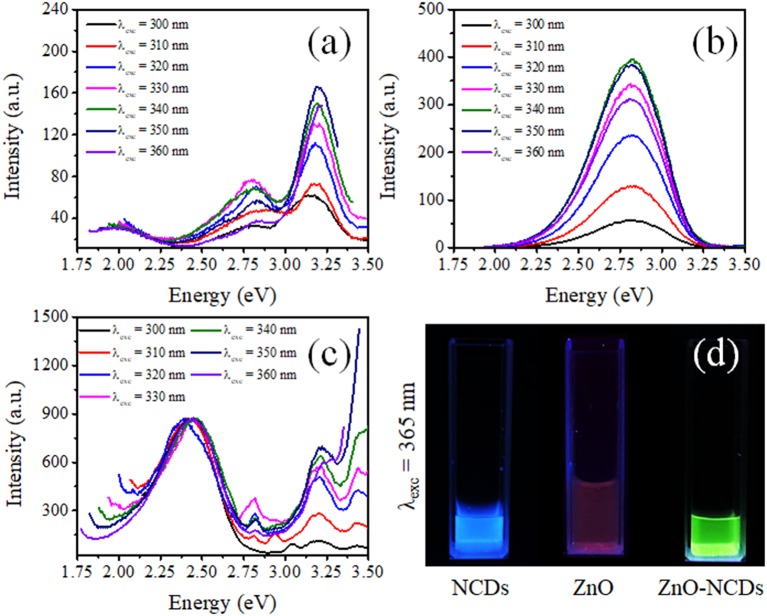
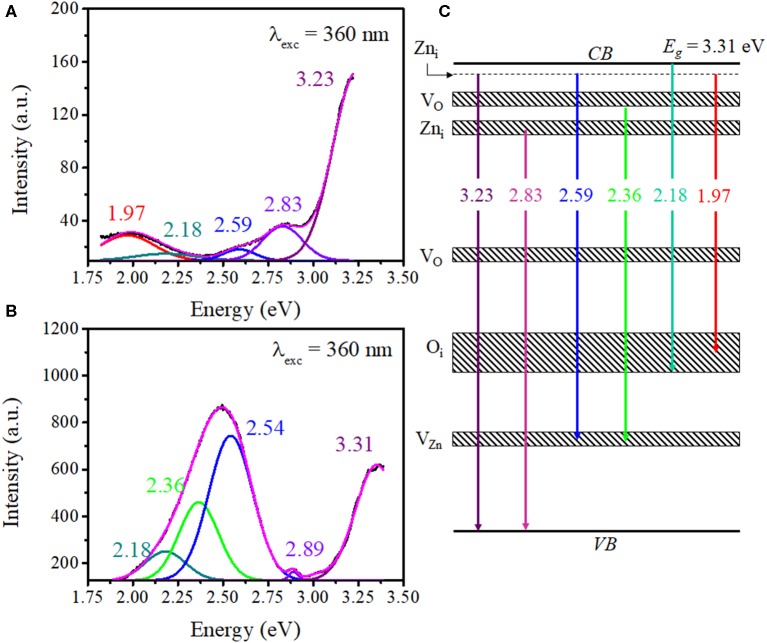
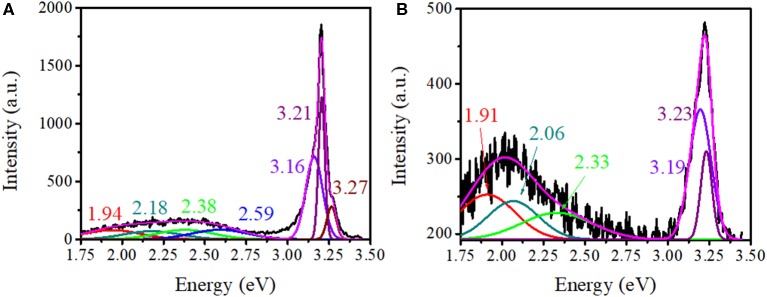
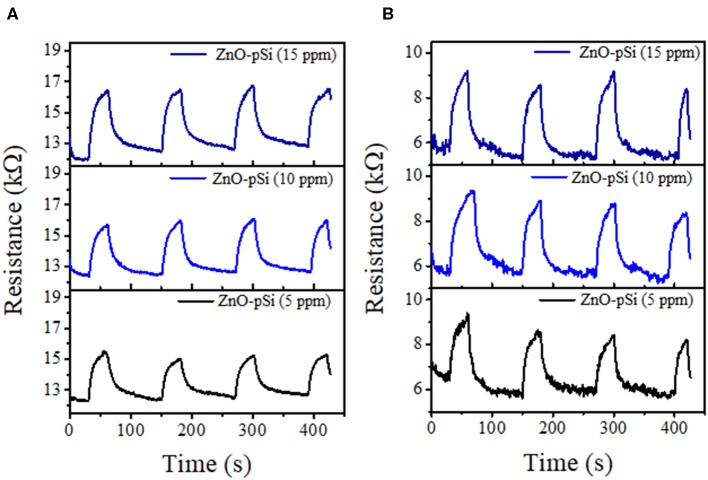
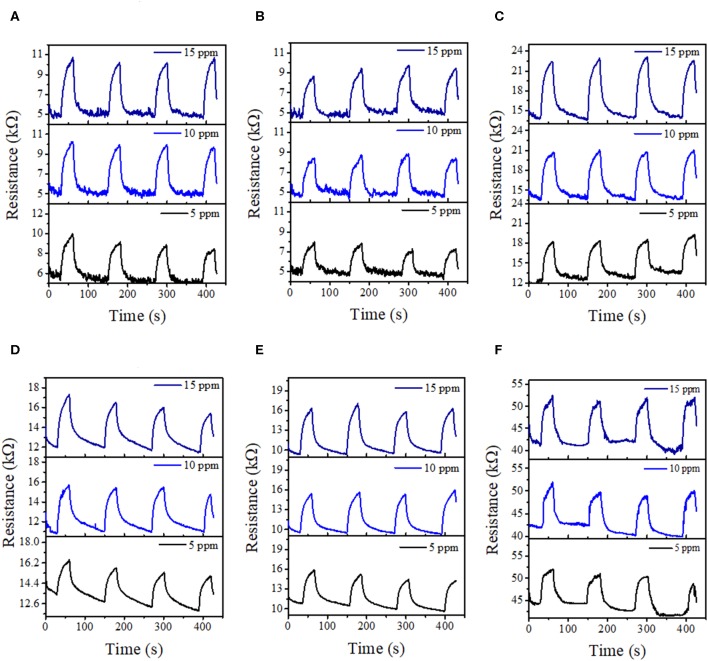
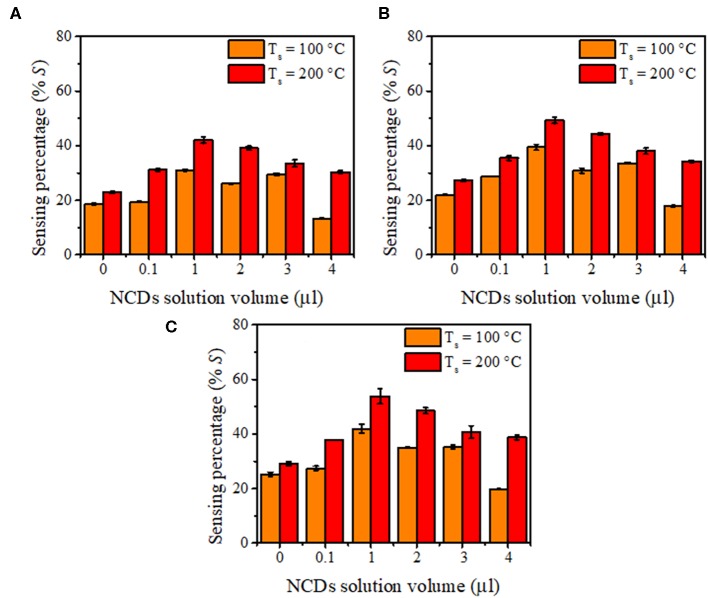
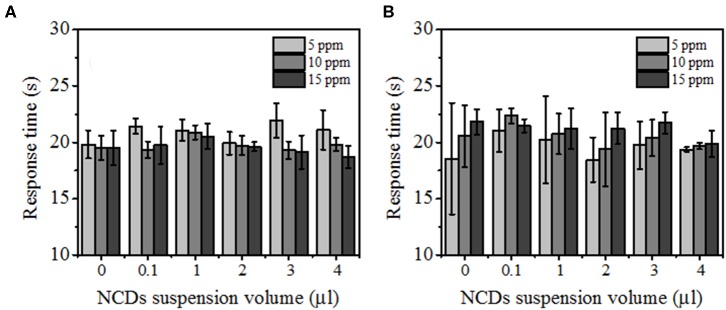
In this study, we report a simple method for the fabrication of carbon dots sensitized zinc oxide-porous silicon (ZnO-pSi) hybrid structures for carbon dioxide (CO) sensing. A micro-/nanostructured layer of ZnO is formed over electrochemically prepared pSi substrates using a simple chemical precipitation method. The hybrid structure was structurally and optically characterized using scanning electron microscopy, X-ray diffraction, fluorescence, and cathodoluminescence after the incorporation of hydrothermally prepared nitrogen-doped carbon dots (NCDs) by drop casting. With respect to the control sample, although all the devices show an enhancement in the sensing response in the presence of NCDs, the optimal concentration shows an increase of 37% at an operating temperature of 200°C and a response time <30 s. The increment in the CO-sensing response, upon the addition of NCDs, is attributed to an increase in CO-oxygen species reactions on the ZnO surface due to an increment in the free electron density at the metal-semiconductor-type junction of NCD clusters and ZnO micro-/nanorods. A significant increase in the sensing response (24%) at low operating temperature (100°C) opens the possibility of developing very large-scale integrable (VLSI), low operational cost gas sensors with easy fabrication methods and low-cost materials.
在本研究中,我们报告了一种制备用于二氧化碳(CO)传感的碳点敏化氧化锌 - 多孔硅(ZnO - pSi)混合结构的简单方法。使用简单的化学沉淀法在电化学制备的pSi衬底上形成一层微/纳米结构的ZnO。通过滴铸法掺入水热制备的氮掺杂碳点(NCDs)后,利用扫描电子显微镜、X射线衍射、荧光和阴极发光对混合结构进行了结构和光学表征。相对于对照样品,尽管所有器件在存在NCDs时传感响应均增强,但在200°C的工作温度下,最佳浓度显示响应增加了约37%,响应时间<30秒。添加NCDs后CO传感响应的增加归因于NCD簇与ZnO微/纳米棒的金属 - 半导体型结处自由电子密度的增加,从而导致ZnO表面上CO - 氧物种反应增加。在低工作温度(100°C)下传感响应显著增加(约24%),这为开发具有易于制造方法和低成本材料的超大规模集成(VLSI)、低运营成本的气体传感器开辟了可能性。